
If you want your smart home to stay connected and secure during power outages, you need reliable backup power solutions. Consider energy storage systems that can power critical devices like security cameras, appliances, and communication systems. Integrating renewable energy like solar panels can boost sustainability and independence. Proper planning guarantees your essential functions keep running, even in emergencies. Keep exploring how to make your home more resilient—you’ll find valuable insights that can help you build a more self-sufficient smart home.

Get the latest gadgets delivered free with Prime
- Fast, free delivery on millions of items
- Prime Video, Amazon Music and more included
- Member-only deals all year
Key Takeaways
- Prioritize backup power for critical devices like security systems and communication tools during outages.
- Integrate renewable energy sources, such as solar with storage, for sustainable and eco-friendly backup solutions.
- Ensure seamless switch-over capabilities to maintain essential functions without service lapses.
- Assess household energy needs to determine appropriate storage capacity and backup system size.
- Plan for future-proofing by selecting scalable, easy-to-manage backup power solutions aligned with smart home growth.
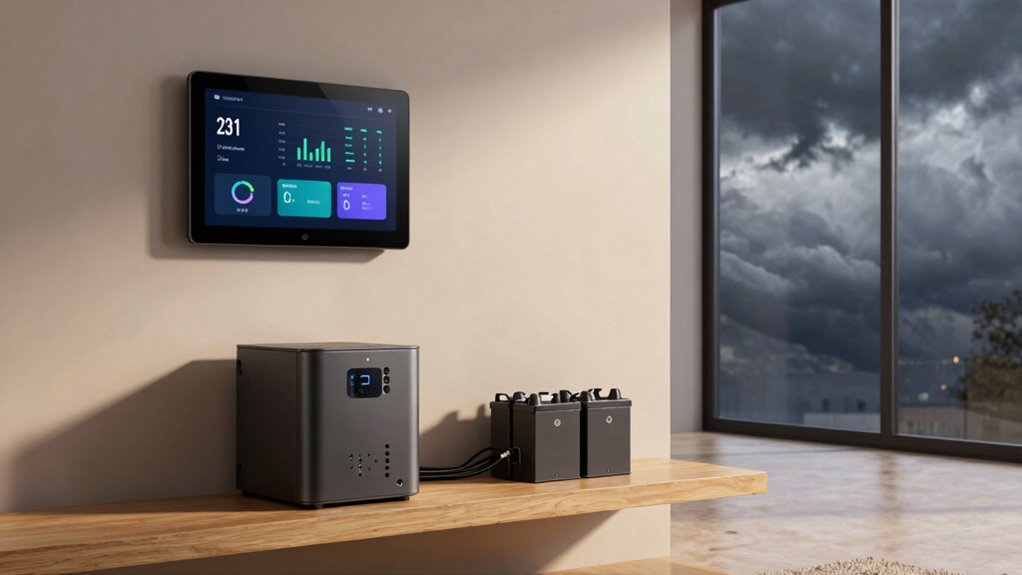
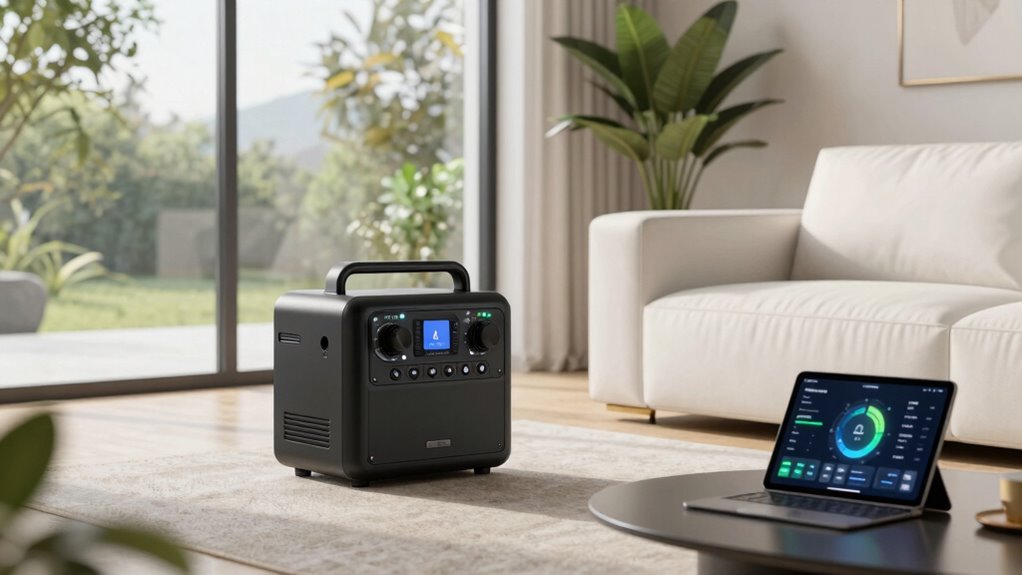
Have you ever experienced a power outage and felt frustrated by the loss of your smart home’s connectivity and functionality? When your lights go out and your devices shut down, it’s a stark reminder of how much you rely on continuous power. That’s where backup power solutions come into play, especially if you want to keep your smart home running smoothly. One key consideration is energy storage — the ability to store electricity so you can use it when the grid fails. With energy storage systems, you can power essential devices, security cameras, or even your entire home during outages, giving you peace of mind. These systems aren’t just about maintaining convenience; they’re about creating a more resilient, self-sufficient household. When you have reliable energy storage, you’re less dependent on the grid, which leads to greater grid independence. This independence means you’re not at the mercy of power outages caused by storms, maintenance, or other disruptions. Instead, you can draw from your stored energy, keeping your smart home connected and functional. It’s about taking control of your power supply rather than waiting for the utility company to restore it.
Investing in backup power isn’t just a safeguard; it’s a strategic move toward energy resilience. Many modern backup systems are designed to seamlessly switch over during outages, so you don’t notice a lapse in service. Plus, advancements in technology mean these systems are more efficient and easier to manage than ever before. You can even integrate renewable energy sources, like solar panels, with your energy storage to create a more sustainable backup solution. This approach not only ensures your smart home stays operational but also reduces reliance on fossil fuels and lowers your overall carbon footprint. As you consider your backup power options, think about your most critical devices and systems. Prioritizing these ensures that even during extended outages, your security, communication, and essential appliances remain functional. The goal is to create a resilient ecosystem where your smart home can operate independently of the grid when necessary.
Ultimately, the question isn’t whether you should have backup power, but how you can best implement it to suit your needs. Energy storage and a focus on grid independence empower you to maintain control, security, and comfort, no matter what’s happening outside. Incorporating energy storage systems can enhance your home’s capacity to withstand prolonged disruptions and improve overall energy management. Building a self-sufficient household with reliable backup power can also contribute to a more sustainable environment by reducing your carbon footprint and supporting renewable energy integration. Considering energy resilience as a key aspect of smart home planning ensures that you’re prepared for a variety of unforeseen events, making your household truly future-proof.
Products Worth Considering

Anker SOLIX C200 DC Portable Power Station, 192Wh, 200W

Jackery HomePower 3600 Plus Portable Power Station, 3584Wh, 3600W

Sonos Era 100 Wireless Smart Speaker, Black
As an affiliate, we earn on qualifying purchases.
Frequently Asked Questions
How Long Can Backup Power Realistically Support My Smart Home?
Backup power can typically support your smart home for a few hours to a day, depending on your system’s power capacity and battery lifespan. If you have a larger battery bank, it’ll last longer during outages. Keep in mind, power capacity determines how much energy your backup system can store, while battery lifespan affects how long your system remains reliable. Regular maintenance guarantees your backup power stays ready when you need it most.
Are Portable Backup Power Options Sufficient for Long Outages?
Think of portable backup power options as your emergency flashlight—great for brief outages but not enough for extended darkness. They can support your smart home temporarily, but renewable sources like solar and wind, combined with battery lifespan, are better for long outages. Relying solely on portable units risks battery degradation and insufficient power over time, so consider integrating renewable systems for sustained backup, ensuring your smart home stays resilient during prolonged disruptions.
What Are the Hidden Costs of Installing Backup Power Systems?
Installing backup power systems involves hidden costs like energy storage maintenance and battery replacements over time. You should conduct a thorough cost analysis to understand these ongoing expenses, which can add up beyond the initial setup. Keep in mind that energy storage solutions may require specialized equipment and professional installation, so budget accordingly. Being aware of these hidden costs helps you make smarter decisions and guarantees your backup system remains reliable and cost-effective.
Can Backup Power Systems Be Integrated With Existing Smart Home Devices?
Yes, backup power systems can be integrated with your existing smart home devices. You’ll want to evaluate battery longevity and how the system manages power efficiently. Modern solutions often include smart controllers that optimize power management, ensuring your devices stay connected during outages. Compatibility varies, so check if your smart home ecosystem supports the backup system. Proper integration enhances reliability, giving you peace of mind when the power goes out.
How Often Should Backup Power Systems Be Maintained or Tested?
You should test your backup power system at least once every three to six months to guarantee reliable performance. Regular maintenance helps extend the battery lifespan and catch potential issues early. Follow the manufacturer’s maintenance schedule, which often includes battery checks, cleaning, and system updates. This routine ensures your backup power remains ready when needed, providing peace of mind during outages and protecting your smart home devices.
Conclusion
Thinking about backup power isn’t just smart—it’s essential for keeping your smart home running smoothly when the grid goes down. With so many interconnected devices and systems, can you really afford to be caught unprepared? Investing in reliable backup power solutions guarantees your home stays safe, secure, and connected no matter what. Isn’t it time you took control of your home’s resilience and peace of mind? Don’t wait—future-proof your smart home today.