
Starting with simple, reliable devices is key to building a smart home that’s stable and easy to expand. These “boring” gadgets provide consistent performance, creating a solid foundation for your setup. They help you control your home efficiently, monitor energy use, and avoid frustrations caused by unreliable tech. By focusing on these core devices, you’ll set yourself up for a more responsive, practical smart home. Keep exploring to discover how to create a seamless, user-friendly system.

Get the latest gadgets delivered free with Prime
- Fast, free delivery on millions of items
- Prime Video, Amazon Music and more included
- Member-only deals all year
Key Takeaways
- Starting with simple, reliable devices ensures a stable foundation for future smart home expansion.
- Core devices provide consistent performance, preventing frustrations and supporting seamless integration.
- Boring devices like smart plugs and switches enable effortless control and routine automation.
- Reliable, basic gadgets help monitor energy use and optimize household efficiency over time.
- Focusing on practical, straightforward devices creates a user-friendly, scalable smart home system.
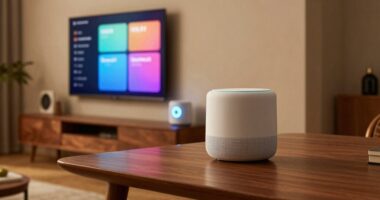
Have you ever wondered how smart home devices can transform your daily life? It’s not just about flashy gadgets or high-tech features—sometimes, the most effective setup begins with simple, reliable devices. These “boring” devices might seem unimpressive at first glance, but they lay the foundation for a smarter, more efficient home. For example, voice control is a game-changer. When you can speak to your devices and have them respond instantly, your daily routines become smoother. You don’t need to dig for your phone or manually switch on lights; a simple command like “turn on the living room lights” or “play some music” makes everything effortless. Over time, voice control becomes second nature, saving you time and reducing frustration, especially during busy mornings or when your hands are full.
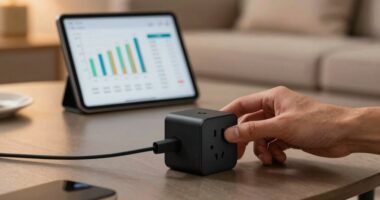
Alongside voice control, energy monitoring is another underrated feature that can _considerably_ impact your household. It allows you to track how much energy your appliances and devices consume, giving you valuable insights into your habits. With energy monitoring, you can identify which devices are wasting power and adjust your usage accordingly. This not only helps you cut down on electricity bills but also contributes to environmental sustainability. As you become more aware of your energy consumption, you can take proactive steps to optimize your home’s efficiency—like setting schedules for your smart devices or turning off unused electronics remotely. Incorporating smart energy management into your setup can enhance both savings and sustainability. Additionally, understanding the basics of home automation can help you integrate these simple devices into a cohesive system that works for your needs. Using reliable devices ensures your smart home remains consistent and responsive, avoiding frustrations caused by inconsistent performance. Regularly updating your device firmware can also prevent connectivity issues and keep your system running smoothly, which is an important aspect of smart home maintenance. Furthermore, choosing interoperable devices can facilitate seamless communication between different brands and systems, making your setup even more reliable.
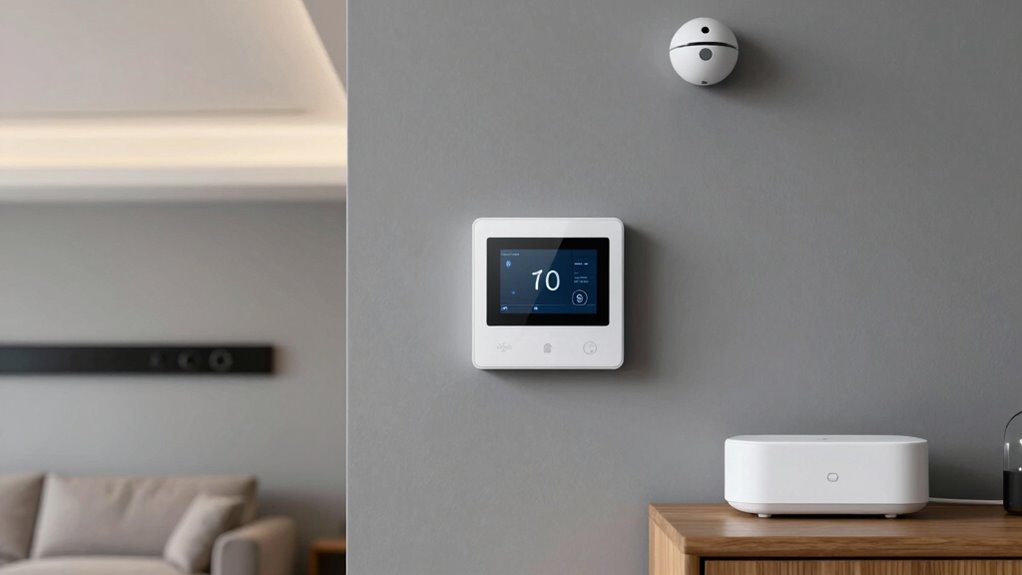
Starting your smart home journey with these basic yet essential devices might seem unremarkable, but they’re the backbone of a truly intelligent setup. They work quietly in the background, making your home more convenient and efficient without requiring constant attention. Once you’re comfortable with voice control and energy monitoring, you can easily add more advanced gadgets—like smart thermostats, security cameras, or automated blinds—knowing that your core system is reliable and user-friendly. Think of these simple devices as the foundation that supports everything else, ensuring your smart home isn’t just high-tech for the sake of being high-tech but genuinely practical and tailored to your lifestyle. In the end, the best smart home setup isn’t about the latest gadgets; it’s about smart, straightforward devices that seamlessly fit into your daily routine.
Products Worth Considering

Samsung 27 Odyssey OLED G5 (G50SF) QHD QD-OLED Gaming Monitor

Sonos Era 100 Wireless Smart Speaker, Black

LG 34GX90SA-W 34-inch Ultragear WQHD OLED Curved Gaming Monitor
As an affiliate, we earn on qualifying purchases.
Frequently Asked Questions
How Do I Ensure My Smart Devices Are Secure From Hacking?
To keep your smart devices secure from hacking, you should regularly update their firmware to patch vulnerabilities. Enable device encryption whenever possible to protect your data. Change default passwords to strong, unique ones, and use a separate Wi-Fi network for your smart devices. Additionally, disable unnecessary features and regularly review device permissions. These steps help safeguard your smart home and prevent unauthorized access.
Can I Use Different Brands’ Devices Together Seamlessly?
Yes, you can use different brands’ devices together seamlessly, but it depends on brand compatibility and device integration. Look for products that support common standards like Zigbee, Z-Wave, or compatible ecosystems like Apple HomeKit, Google Assistant, or Amazon Alexa. These platforms facilitate smooth device integration, ensuring your smart home functions cohesively regardless of brand differences. Always check compatibility details before purchasing to avoid integration issues.
What Is the Typical Cost to Start a Smart Home Setup?
You can start a smart home setup for around $100 to $300, depending on your goals. You’ll need basic devices like smart bulbs, plugs, or a hub, plus the equipment for voice control and automation routines. As you expand, costs rise with new gadgets. Focus on versatile, compatible devices that integrate well, making automation routines seamless and voice control effortless, creating a smarter, more convenient home.
How Do I Troubleshoot Connectivity Issues With My Devices?
To troubleshoot connectivity issues, first check device compatibility to make sure your devices work well together. Then, look for signal interference from other electronics or thick walls that might block Wi-Fi signals. Restart your devices and router to refresh connections. Keep firmware updated for peak performance. If problems persist, consider relocating your router closer to devices or using range extenders to strengthen the signal.
Are Smart Home Devices Energy-Efficient and Cost-Saving?
Think of your smart home devices as silent guardians, quietly saving you money and energy. They’re designed for energy efficiency, reducing energy consumption without sacrificing performance. Over time, this leads to lower utility bills and extends device longevity, making your smart home a wise investment. By choosing energy-efficient devices, you nurture both your wallet and the environment, transforming your home into a sustainable sanctuary that works smarter, not harder.
Conclusion
So, don’t overlook those simple, boring devices—they’re the secret sauce to a smart home that actually works. When you start with reliable basics like smart plugs or thermostats, you’re building a foundation stronger than steel. Before you know it, your home will be so intelligent, it’ll make sci-fi movies look outdated. Trust me, the smartest homes begin with the most unassuming gadgets—you’ll wonder how you ever lived without them!