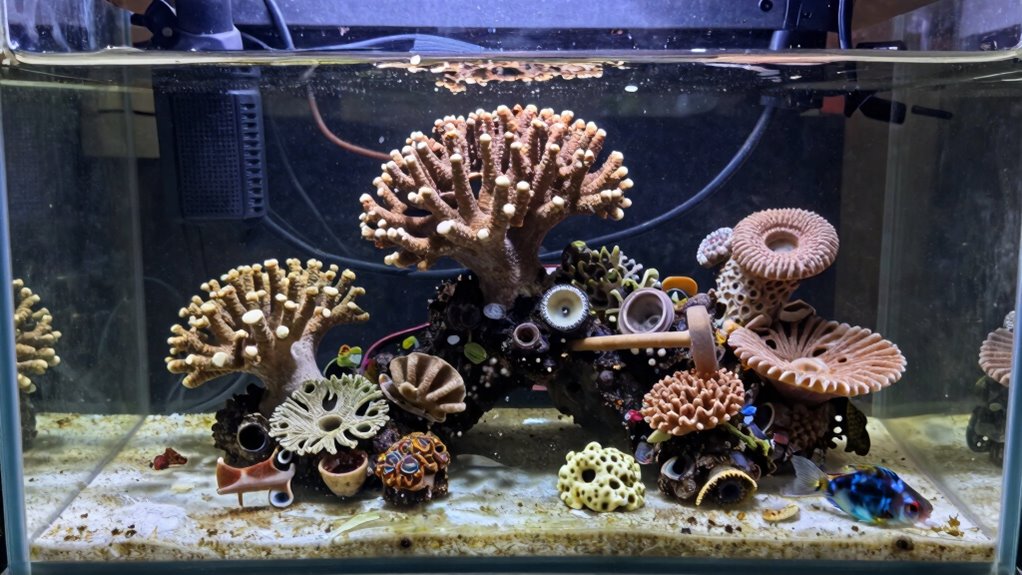

The biggest mistakes new aquarium owners make include overstocking, choosing incompatible equipment, and neglecting water quality and routine maintenance. These errors can lead to poor water conditions, fish stress, and costly health problems. Rushing setup or ignoring proper cycling and fish compatibility also cause issues that are hard to fix later. To avoid these costly pitfalls, you’ll want to understand how to set up, maintain, and care for your tank properly—more essential tips await to help your aquarium thrive.

Get the latest gadgets delivered free — and shop member deals
- Fast, free delivery on millions of items
- Access to Prime Big Deal Days deals on October 6–7
- Prime Video, Amazon Music and more included
Key Takeaways
- Overcrowding the tank with decorations or fish, leading to poor water flow and increased maintenance costs.
- Ignoring routine water testing and maintenance, risking water quality issues and costly fish health problems.
- Choosing incompatible or low-quality equipment, causing frequent malfunctions and expensive replacements.
- Skipping proper cycling and biological filtration, resulting in toxic conditions that can kill fish and require costly recovery.
- Overstocking fish, which increases waste, algae growth, and the need for frequent, expensive water treatments.
As an affiliate, we earn on qualifying purchases.
Common Aquarium Setup Mistakes to Avoid
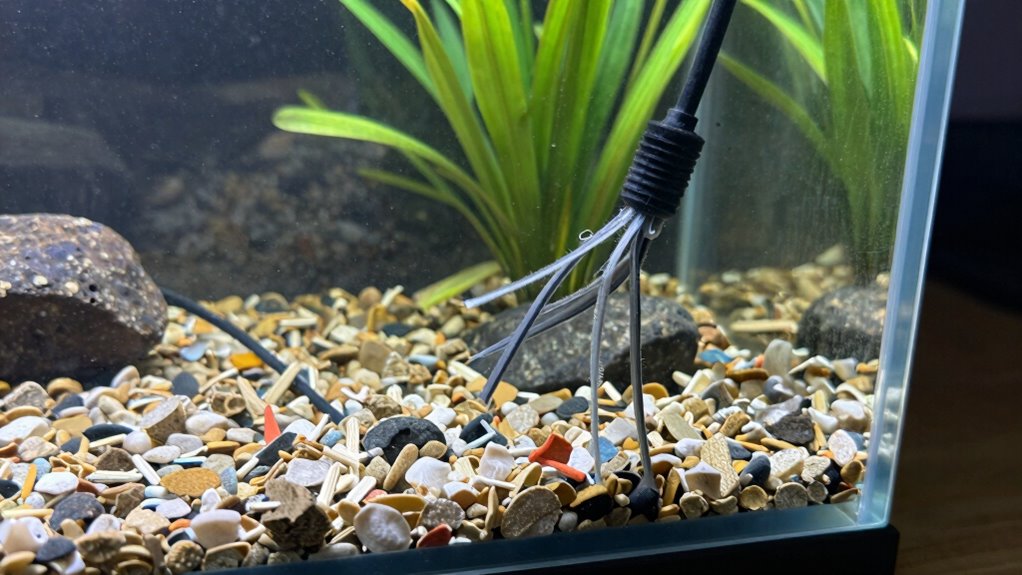
Setting up an aquarium can be exciting, but rushing through the process often leads to common mistakes that can harm your fish. One mistake is overcrowding the tank with too many aquarium decorations, which can block water flow and create dead spots. Instead, choose decorations that provide hiding spots without cluttering the space. Also, avoid neglecting fish nutrition; make certain your fish have a balanced diet suited to their species. Poor nutrition weakens their immune systems and makes them more vulnerable to disease. Another mistake is not planning the layout carefully, which can cause stress for your fish and difficulty cleaning. Take your time to arrange decorations thoughtfully and research your fish’s dietary needs. Proper planning reduces stress and helps your aquatic ecosystem thrive. Additionally, understanding the importance of aquarium maintenance can help prevent many common issues before they arise. Regular water testing and maintenance routines are essential for maintaining a healthy environment for your fish. Incorporating skilled aquarium setup practices, such as selecting the right equipment and understanding water chemistry, can significantly improve your tank’s stability. Being aware of aquarium ecosystem balance is crucial to creating a sustainable environment for your aquatic life.
fish tank filter and heater combo
As an affiliate, we earn on qualifying purchases.
As an affiliate, we earn on qualifying purchases.
How to Choose the Right Equipment for Your Aquarium
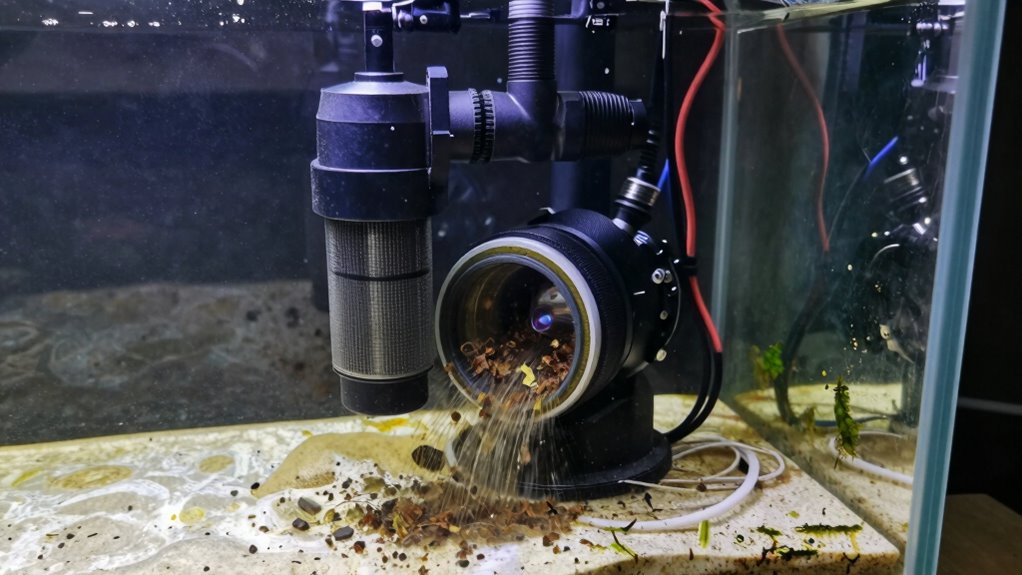
Choosing the right equipment is vital to a healthy, thriving aquarium. You need to take into account essential types like filters, heaters, and lighting, making sure they’re compatible with your tank size and species. High-quality, compatible gear will save you headaches and keep your aquatic environment stable. Additionally, understanding the importance of color accuracy in lighting can help create a more natural and comfortable habitat for your aquatic life.
Essential Equipment Types
Selecting the right equipment for your aquarium is essential to creating a healthy and thriving environment for your aquatic life. Start with a reliable filter to maintain water quality and support aquarium aesthetics, ensuring your tank looks inviting and clean. Choose a heater if you’re keeping tropical fish, as stable temperatures are key to their health. An appropriate lighting system not only highlights your fish and plants but also influences their behavior and growth. Aeration devices, like air stones or wave makers, improve oxygen levels and water circulation. Finally, invest in a quality substrate and decor that complement your tank’s look and support fish nutrition by providing hiding spots and natural environments. Proper equipment selection helps prevent common mistakes and promotes a balanced, vibrant aquarium. Additionally, understanding testing accuracy and regularly monitoring water parameters ensures your equipment functions correctly and maintains optimal conditions for your aquatic inhabitants. To further ensure success, researching proper maintenance routines can help keep your tank in top condition over time, and considering spiritual retreats can also offer relaxation and mental clarity for passionate aquarists.
Compatibility and Quality
Ensuring the equipment you buy is compatible with your aquarium’s size, type, and inhabitants is essential for a healthy environment. Proper filtration and heating systems should match your tank’s capacity to maintain stable water conditions, supporting healthy fish nutrition. When selecting tank decoration, choose items that don’t interfere with equipment operation or block water flow, preventing dead spots and ensuring even distribution of nutrients. High-quality equipment reduces the risk of malfunctions that can stress your fish or damage your setup. Avoid cheap, incompatible products that might cause fluctuations in water quality or harm your aquatic life. Always check specifications and reviews to confirm compatibility, and invest in reliable gear that will keep your tank balanced and your fish thriving. Additionally, understanding eco-friendly disposal options for old or broken equipment can help minimize environmental impact. Being aware of equipment maintenance needs can also prolong the lifespan of your gear and maintain optimal tank conditions. Proper water testing practices are crucial for early detection of issues, helping you maintain a stable and healthy environment for your aquatic inhabitants.
As an affiliate, we earn on qualifying purchases.
Why Water Quality Matters for Fish Health
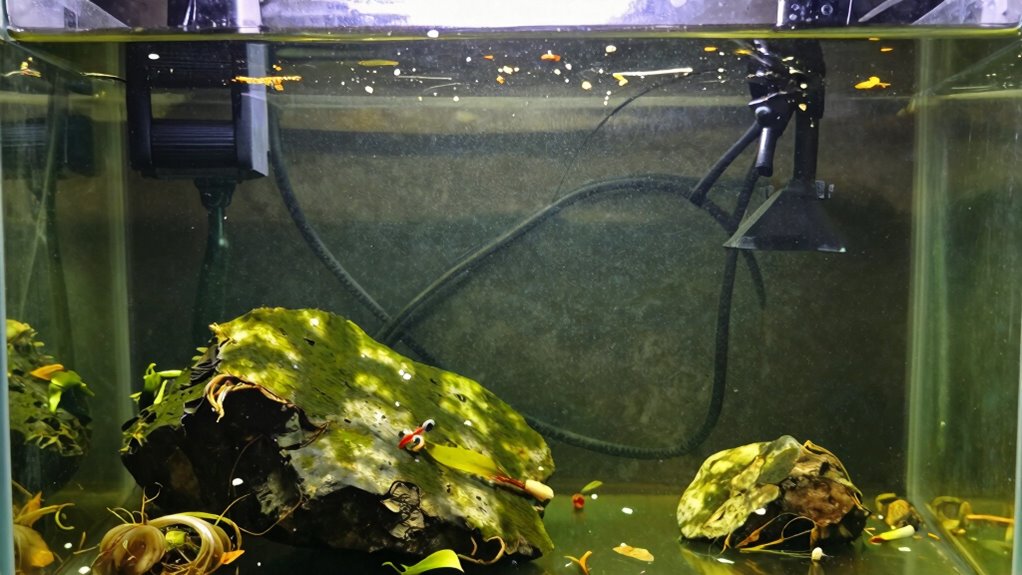
Water quality is vital for maintaining a healthy environment for your fish, as poor conditions can quickly lead to stress, illness, or death. Proper water filtration removes toxins and waste, preventing harmful build-up. Without effective filtration, your fish are exposed to ammonia, nitrites, and other pollutants that compromise their health. Maintaining the correct pH balance is equally important; imbalanced pH can cause stress and make fish more vulnerable to disease. Regular testing guarantees your water stays within the best range for your specific fish species. Neglecting these aspects can lead to dangerous water conditions, even if the tank looks clean. Prioritize consistent water quality management to keep your fish healthy, vibrant, and thriving in a safe environment. water quality plays a crucial role in supporting a balanced and healthy aquatic ecosystem. Additionally, understanding how to interpret test results can help you make timely adjustments to maintain optimal water conditions. Proper filtration systems are essential for sustaining the necessary water quality standards and ensuring your fish’s well-being. Regular maintenance of your filtration equipment ensures continued effectiveness and helps prevent water deterioration. Proper monitoring and maintenance of your aquarium environment are key to avoiding common pitfalls that can threaten your fish’s health.
biological filtration for freshwater tanks
As an affiliate, we earn on qualifying purchases.
As an affiliate, we earn on qualifying purchases.
Understanding the Importance of Aquarium Cycling
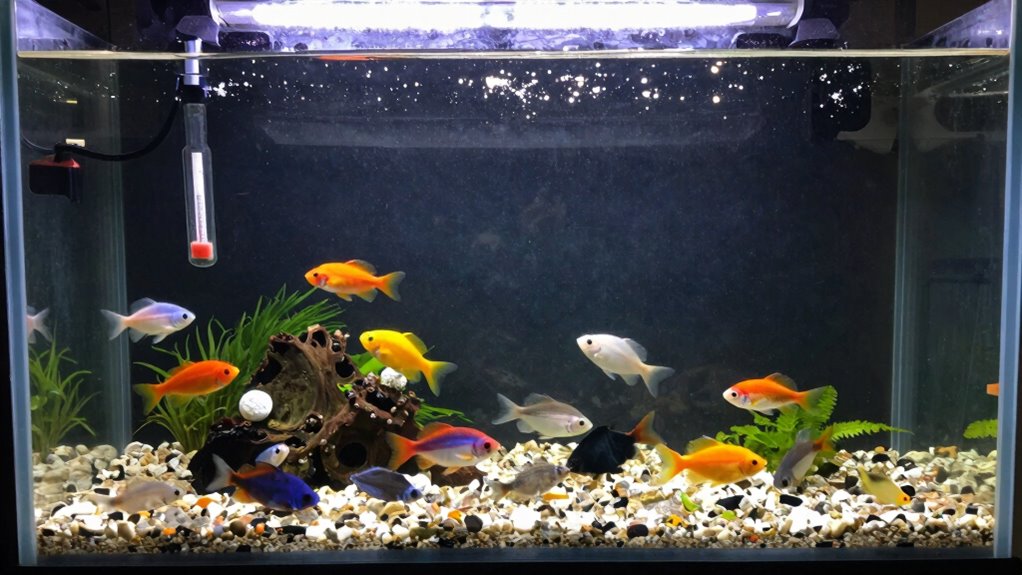
Have you ever wondered why your new aquarium doesn’t seem to support fish right away? That’s because proper cycling is essential. Cycling develops beneficial bacteria that break down fish waste, preventing harmful ammonia and nitrite buildup. Without it, you risk algae overgrowth and poor fish nutrition, which can stress or kill your fish. During cycling, ammonia levels spike before bacteria convert it into less harmful nitrates. Monitoring this process helps prevent algae outbreaks that cloud water and harm aquatic life. Proper indoor environment conditions are crucial for sustaining healthy aquatic ecosystems. Additionally, understanding the aquarium nitrogen cycle is key to maintaining a balanced and thriving aquatic environment. Knowing how to manage water quality effectively can significantly improve the success of your setup. Recognizing the importance of biological filtration during cycling ensures your aquarium remains stable and healthy, supporting the development of beneficial bacteria that are essential for a stable ecosystem.
Optimal Placement and Lighting for a Healthy Aquarium
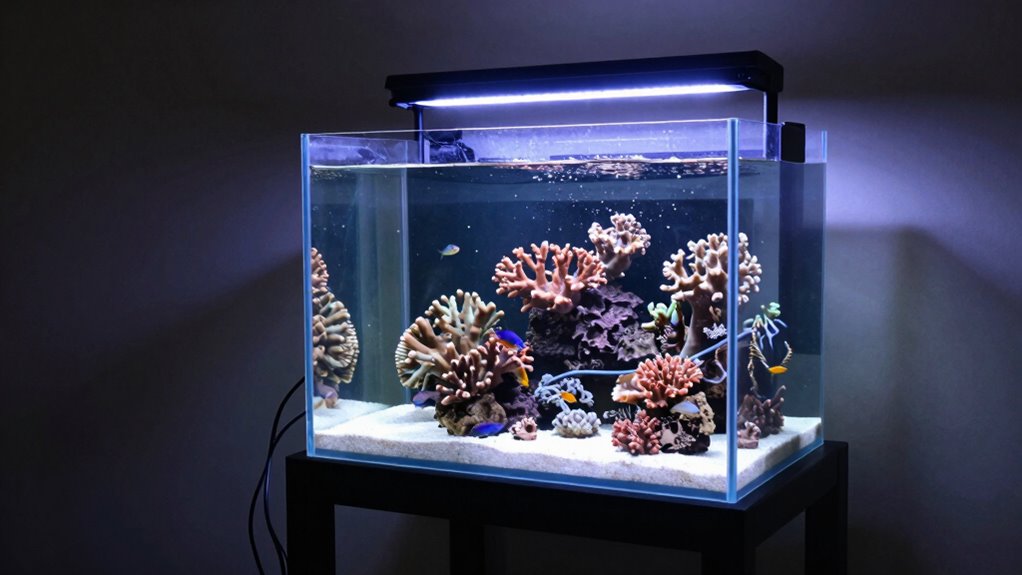
Choosing the right spot for your aquarium is crucial because placement affects temperature stability, light exposure, and accessibility. Place your tank away from direct sunlight to prevent algae growth and temperature fluctuations. Avoid areas with drafts or heat sources, as sudden changes can stress your fish. Proper lighting is necessary for healthy fish and aquarium decoration; too much light can cause algae, while too little hampers plant growth. Use adjustable lighting to mimic natural day-night cycles. A well-placed tank also supports fish breeding by providing a stable environment. Confirm the location allows easy maintenance and observation. Keep the tank away from high traffic areas to reduce vibrations and stress. Proper placement also involves considering environmental considerations, such as avoiding disturbance to local wildlife and ensuring minimal impact on the surrounding environment. Correct placement promotes a healthy, thriving aquarium with balanced lighting and minimal disturbance. Additionally, understanding aquarium environment can help you optimize the setup for long-term success.
Avoid Overstocking Your Fish Tank
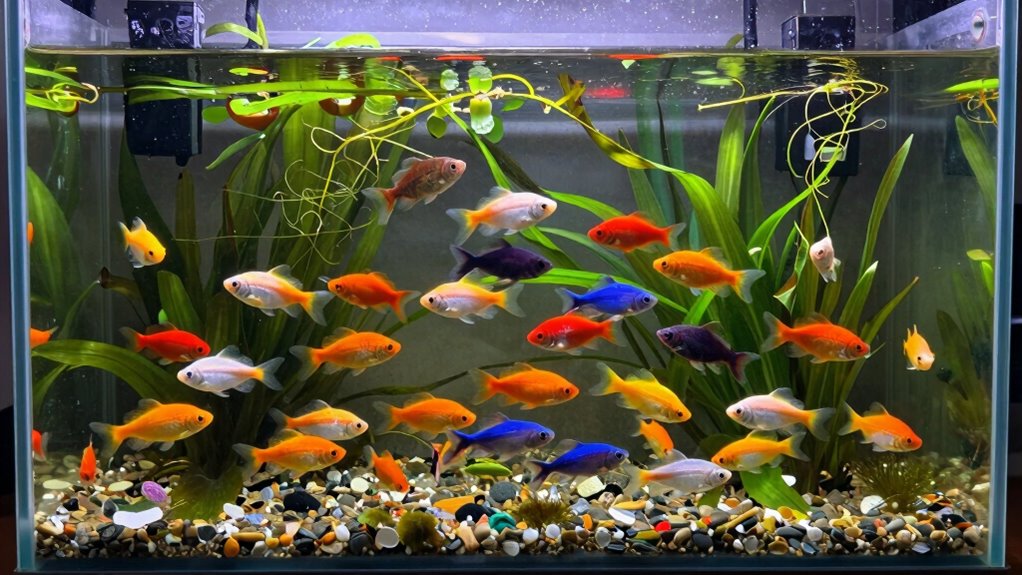
Overcrowding your fish tank can quickly turn a healthy environment into one plagued with problems. Too many fish can lead to increased waste, which harms water quality and stresses your aquatic life. This buildup of product buildup affects the overall health of your aquarium. This not only affects fish nutrition but also diminishes your aquarium’s aesthetics, making it less visually appealing. When you overstock, you risk algae overgrowth and oxygen depletion, which can cause fish to become sick or die. To keep your tank balanced, research the maximum capacity for each species and stick to it. Properly stocking your tank guarantees a stable environment, healthy fish, and a beautiful display. Remember, less is often more—giving your fish enough space promotes better health and keeps your aquarium looking vibrant.
Why Routine Maintenance and Water Testing Are Essential
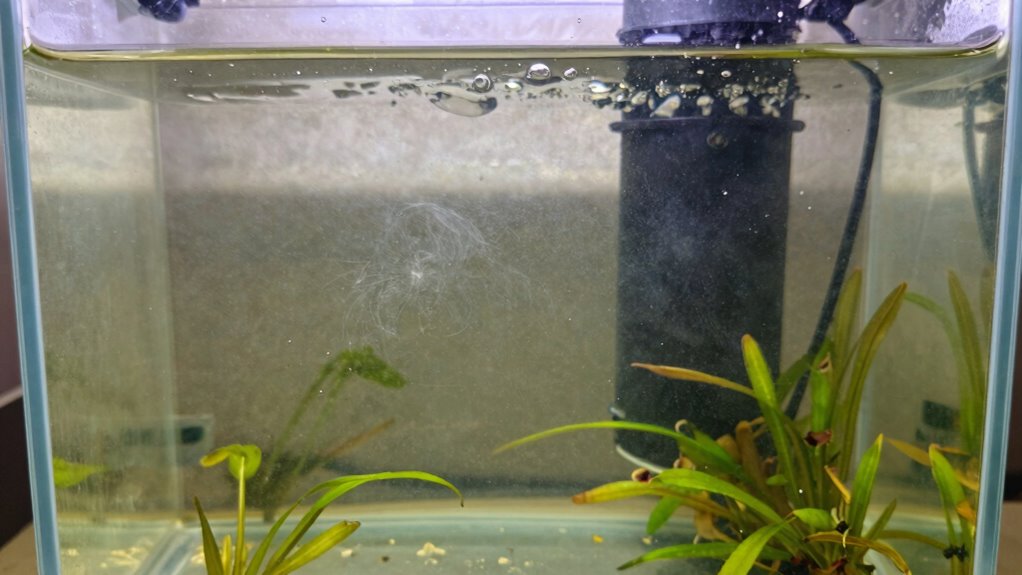
Routine maintenance and water testing are essential for keeping your aquarium healthy and stable. Regularly checking water parameters ensures your fish thrive and prevents issues like algae overgrowth or disease. Routine maintenance includes cleaning filters, gravel, and removing waste, which keeps water quality high. Water testing helps you monitor key factors like pH, ammonia, nitrite, and nitrate levels. Staying on top of these prevents toxic build-ups. Use this table to understand the importance:
| Task | Purpose |
|---|---|
| Routine water testing | Detects imbalances early, prevents health issues |
| Regular cleaning | Maintains water clarity and quality |
| Water parameter adjustments | Keeps environment stable for your fish |
| Filter maintenance | Ensures proper filtration and water flow |
Consistent routine maintenance and water testing are your best tools for a healthy, thriving aquarium.
How to Check Fish Compatibility Before Adding New Fish
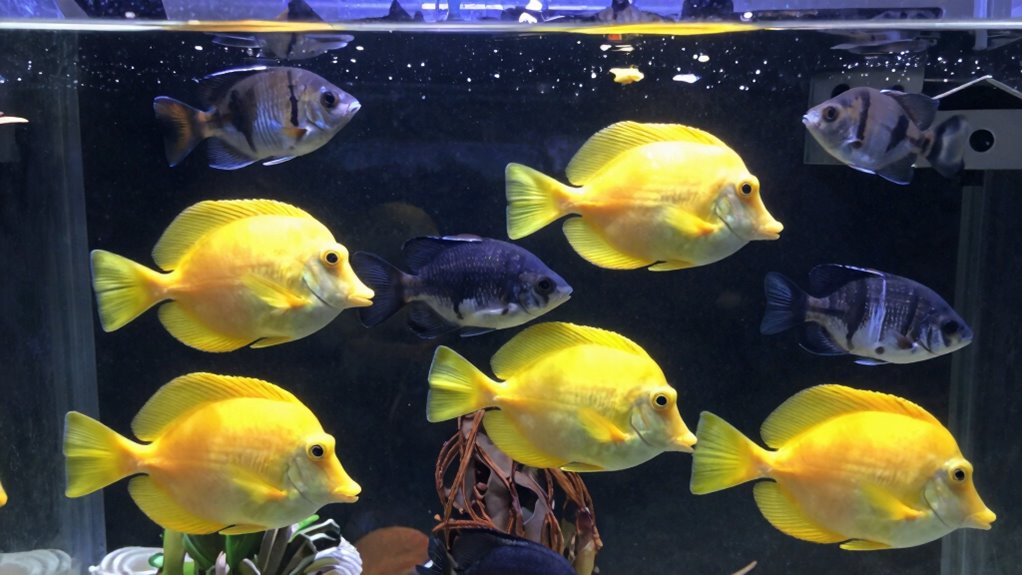
Before adding new fish, you should research their temperament to guarantee they’ll get along with your current stock. Check that their water parameter needs match your tank’s conditions to prevent stress or illness. Finally, observe their behavior in community tanks to spot any signs of aggression or incompatibility.
Research Species Temperament
Researching the temperament of fish is an essential step to guarantee compatibility before adding new species to your aquarium. Understanding fish behavior helps you predict how different species will interact and avoid aggression or stress. Observe their natural tendencies—some fish are territorial, while others are more social or shy. Consider how their behavior fits within your tank environment; aggressive or territorial fish need more space and hiding spots. Check species-specific details about their interactions with other fish, especially if you’re mixing different types. Proper research ensures you select compatible species that thrive together, reducing the risk of conflict. Taking the time to understand their temperament helps create a peaceful, healthy community tank and prevents costly mistakes caused by incompatible fish.
Match Water Parameters
Matching water parameters is essential for ensuring your new fish will thrive alongside existing inhabitants. Before adding new fish, test your aquarium’s water for temperature, pH, ammonia, nitrite, and nitrate levels. Consistency is key—disruptions can stress fish or cause illness. When choosing fish, consider their natural environments and preferred water conditions to prevent incompatibility. Fish behavior also plays a role; aggressive species may disturb peaceful tank mates, while shy species need calmer surroundings. Ensuring water parameters align helps maintain stable aquarium aesthetics and promotes harmonious interactions. Always quarantine new fish and monitor water quality regularly. Doing so reduces stress, prevents disease, and keeps your aquarium balanced, ultimately saving you time and effort in the long run.
Observe Compatibility Behavior
Observing compatibility behavior is essential to prevent conflicts and guarantee a peaceful tank environment. By paying attention to fish behavior, you can avoid adding species that might clash, disrupting your aquarium’s aesthetics. Watch how existing fish interact and look for signs of aggression or stress, such as chasing or hiding. Before introducing new fish, research their social tendencies and natural habitats to assure compatibility. Consider species that thrive together and share similar water parameter needs. Keep an eye on your fish’s activity levels and interactions to spot potential issues early. This proactive approach helps maintain harmony and a visually appealing setup. Remember, a harmonious community enhances your aquarium aesthetics and makes fish keeping more rewarding.
Budgeting Tips for a Successful Aquarium Setup
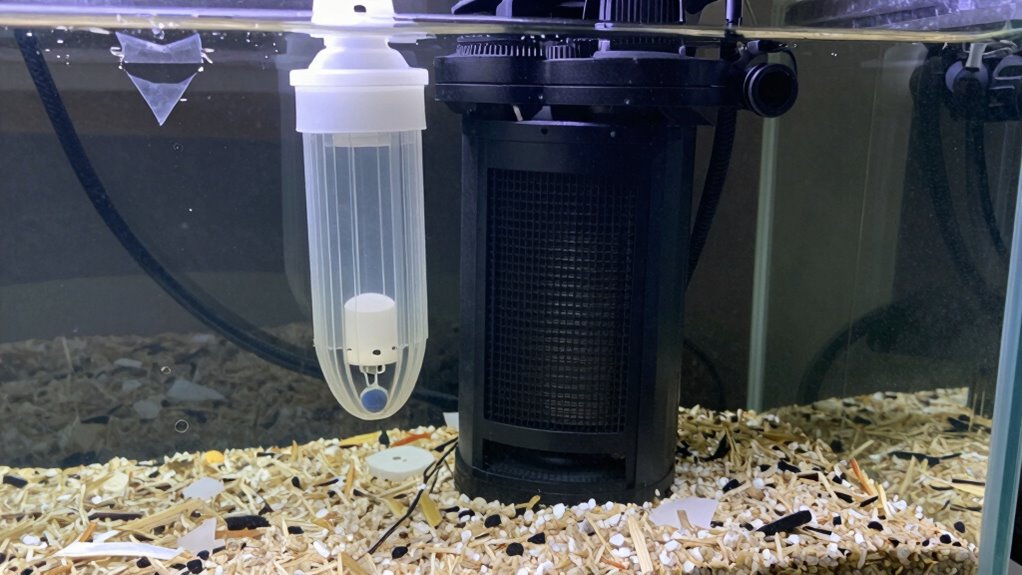
Setting a realistic budget is essential before you start your aquarium project, as it helps you prioritize purchases and avoid overspending. Focus on core items like tank, filtration, and lighting first. Remember, investing in good aquarium aesthetics enhances the visual appeal, but don’t compromise on quality. Allocate funds for essential accessories that improve fish nutrition, such as appropriate food and supplements, rather than splurging on unnecessary gadgets. Research prices and compare options to find reliable, affordable products. Plan for ongoing expenses like water testing kits and maintenance supplies. By sticking to a budget, you prevent impulsive buys that may lead to unnecessary costs later. A well-planned budget ensures you’re prepared for both initial setup and future care, setting your aquarium up for success.
Top Tips to Ensure Your Aquarium Thrives
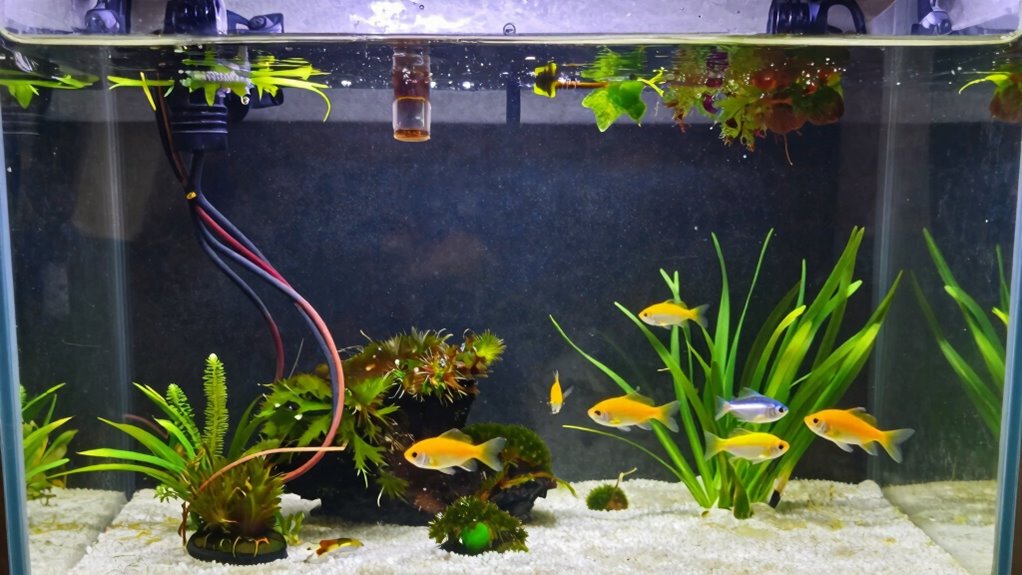
To keep your aquarium healthy, focus on maintaining proper water quality and performing regular tank maintenance. Clean the tank and check water parameters often to prevent problems before they start. Taking these steps will help your aquatic life thrive and keep your setup looking its best.
Maintain Proper Water Quality
Maintaining proper water quality is essential for a healthy and thriving aquarium. Clean, balanced water supports your fish’s well-being and enhances your aquarium’s aesthetics. Poor water quality can cause stress, illness, and unpredictable fish behavior. To keep water at its best, regularly test parameters like pH, ammonia, nitrite, and nitrate levels. Perform partial water changes to dilute toxins and debris. Use a reliable filter to maintain biological balance, and avoid overfeeding, which can cause harmful waste buildup. Additionally, monitor water temperature to ensure it stays within the ideal range for your species. Consistently maintaining these practices will improve water clarity, reduce algae growth, and promote stable fish behavior, creating a vibrant, healthy environment for your aquatic life.
Regular Tank Maintenance
How often do you check and clean your aquarium to guarantee it stays healthy? Regular tank maintenance keeps your fish happy and your aquarium looking its best. Consistent cleaning prevents algae buildup, maintains water clarity, and supports ideal fish nutrition. To help, here’s a quick maintenance schedule:
| Task | Frequency |
|---|---|
| Water changes | Weekly (10-15%) |
| Filter cleaning | Every 2-4 weeks |
| Glass cleaning | Weekly |
| Check water parameters | Daily or every few days |
This routine boosts aquarium aesthetics and ensures your fish thrive. Proper maintenance reduces stress, promotes healthy growth, and keeps your tank inviting. Stay proactive for a vibrant, balanced underwater environment.
Frequently Asked Questions
What Are Common Signs of an Unhealthy Aquarium Environment?
You’ll notice signs of an unhealthy aquarium through fish displaying stress, like hiding or erratic swimming. Chemical imbalance often causes cloudy water or foul odors. If algae blooms excessively or you see discoloration, it indicates poor water quality. Constantly stressed fish or sudden health declines signal your environment isn’t balanced. Regular testing and maintenance help prevent these issues, ensuring a healthy space where your aquatic life thrives.
How Can I Prevent Algae Overgrowth in My Tank?
A stitch in time saves nine, so act early to prevent algae overgrowth. To control algae, regularly clean your tank and avoid overfeeding. Use algae control products sparingly and maintain proper water parameters. Make lighting adjustments by reducing the duration or intensity of light and ensuring it’s on a consistent schedule. Proper algae control and lighting adjustments help keep your tank clear, healthy, and visually appealing.
What Are the Best Ways to Acclimate New Fish?
To properly acclimate new fish, slowly introduce tank water into their bag over 15-30 minutes to match temperature and chemistry. Gently transfer fish into the tank, considering fish compatibility to prevent aggression. Avoid sudden changes or overcrowding, and choose tank decorations that provide hiding spots, reducing stress. Taking your time during acclimation guarantees a seamless shift, keeping your new fish healthy and happy in their new environment.
How Often Should I Replace or Clean Aquarium Equipment?
You should clean your aquarium equipment regularly, typically every 2-4 weeks, to maintain ideal filtration and water quality. During this time, perform filtration maintenance to remove debris and prevent buildup. If your equipment shows signs of wear or inefficiency, consider equipment upgrades to improve performance. Regular cleaning and timely upgrades help keep your tank healthy and reduce the risk of costly issues down the line.
What Are the Most Cost-Effective Ways to Maintain Water Quality?
To maintain water quality cost-effectively, you should regularly perform water testing to monitor parameters like pH, ammonia, and nitrate levels. Use affordable test kits and address imbalances promptly. Chemical balancing—adding appropriate conditioners or buffers—helps keep water stable and healthy for your fish. Regular partial water changes, combined with proper testing and chemical adjustments, save money in the long run by preventing costly health issues and equipment replacements.
Conclusion
Setting up your aquarium the right way can mean the difference between thriving fish and costly mistakes. Did you know that nearly 50% of new aquarium owners face issues within the first year due to poor setup? By avoiding common errors, choosing proper equipment, and maintaining water quality, you give your fish the best chance to flourish. Stay vigilant with routine checks and smart planning—you’ll enjoy a vibrant, healthy aquarium for years to come.
Halloween Picks
halloween
As an affiliate, we earn on qualifying purchases.