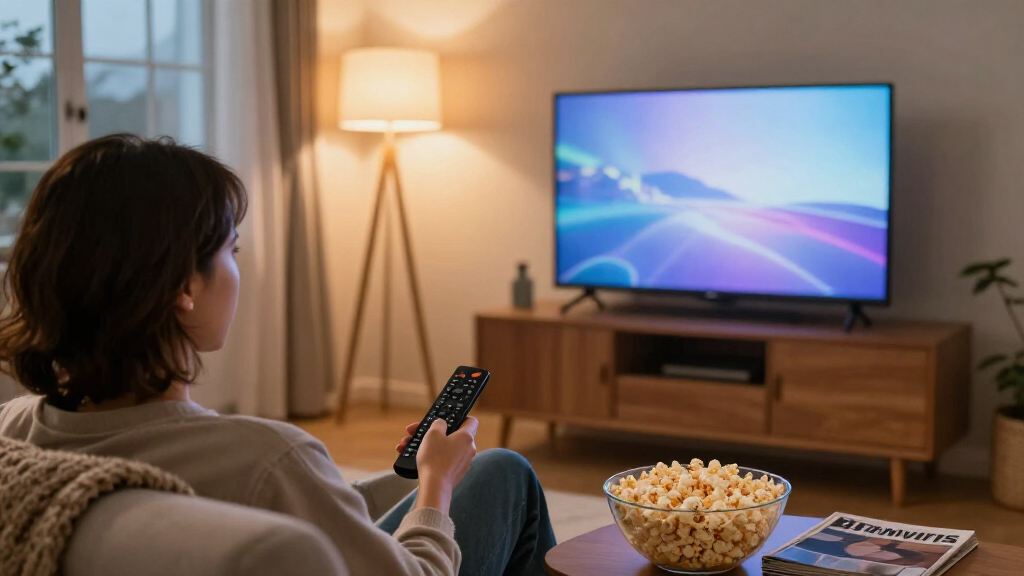

The Amazon Fire TV Cube (3rd Gen) stands as the best home streaming device for most households, offering unmatched speed and smart home integration. For Apple users, the Apple TV 4K (4th Generation) provides the smoothest ecosystem experience, while the Roku Streaming Stick 4K remains the top choice for budget-conscious viewers who want simplicity. Buyers face a primary tradeoff between raw processing power and price, as well as a choice between platform-exclusive features and universal compatibility. Continue reading to see how these options stack up against the rest of the market.

Get the latest gadgets delivered free with Prime
- Fast, free delivery on millions of items
- Prime Video, Amazon Music and more included
- Member-only deals all year
Complete the kit



Key Takeaways
- The Fire TV Cube and Apple TV 4K dominate the high-end segment by prioritizing processor speed and app load times over minor cost savings.
- Budget options like the onn 4K UHD and Roku Premiere sacrifice interface fluidity and long-term software support to hit lower price points.
- Wi-Fi 6E support is now a meaningful differentiator, with devices like the Google TV Streamer and Fire TV Cube offering better stability in congested networks.
- Roku maintains the largest library of free ad-supported channels, making it the superior choice for cord-cutters avoiding subscription fees.
- Ecosystem lock-in is stronger than ever; mixing an Apple TV with non-Apple devices or a Fire TV with Alexa-exclusive features creates friction if you switch brands later.
| Xiaomi TV Box S (3rd Gen), 4K UHD Google TV Streaming Media Player |  | Best Value for Google TV | Operating system: Google TV | Resolution: 4K UHD (3840 × 2160) up to 60 fps | Processor: Quad-core CPU, up to 2.5 GHz | VIEW LATEST PRICE | See Our Full Breakdown |
| Amazon Fire TV Cube (3rd Gen) 4K Streaming Media Player with Alexa, Wi-Fi 6E |  | Best for Hands-Free Alexa Control | Processor: Octa-core: 4 × 2.2 GHz and 4 × 2.0 GHz | Memory: 2 GB | Storage: 16 GB | VIEW LATEST PRICE | See Our Full Breakdown |
| Apple TV 4K (4th Generation) |  | Best for Apple Ecosystems | Model: MLFF4LL/A | Chip: A19 | Video formats: Dolby Vision, HDR10+ | VIEW LATEST PRICE | See Our Full Breakdown |
| Google TV Streamer (4K), Porcelain |  | Best Google TV Upgrade | Model: Google TV Streamer 4K (GRS6B) | Resolution: 3840 × 2160 | Video support: Up to 4K HDR with Dolby Vision | VIEW LATEST PRICE | See Our Full Breakdown |
| Amazon Fire TV Stick 4K Plus with Wi-Fi 6 and Alexa Voice Remote |  | Best Compact Fire TV Pick | Processor: Quad-core 1.7 GHz | Storage: 8 GB | Wi-Fi: Wi-Fi 6 dual-band (2.4 GHz and 5 GHz) | VIEW LATEST PRICE | See Our Full Breakdown |
| Amazon Fire TV Stick 4K Select with Alexa Voice Remote |  | Best Value for Alexa Households | Output resolution: Up to 2160p at 60 fps | HDR formats: HDR10, HDR10+, HLG | Processor: Quad-core 1.7 GHz | VIEW LATEST PRICE | See Our Full Breakdown |
| onn 4K UHD Android TV Streaming Device with Voice Remote and HDMI Cable |  | Best for Google Casting | Resolution: 4K UHD (3840 × 2160 pixels) | Operating system: Android TV | Memory: 2 GB RAM | VIEW LATEST PRICE | See Our Full Breakdown |
| Roku Premiere 4K/HDR Streaming Media Player with HDMI Cable and USB Extension Cord |  | Best for Simple Roku Setup | Resolution: 3840 × 2160 (4K/HDR) | Operating system: Roku OS | Memory: 1 GB RAM | VIEW LATEST PRICE | See Our Full Breakdown |
| Roku Streaming Stick 4K with Voice Remote |  | Best Compact Roku Stick | Resolution: Up to 2160p at 60 fps | HDR formats: Dolby Vision, HDR10+ | Memory: 1 GB RAM | VIEW LATEST PRICE | See Our Full Breakdown |
| Amazon Fire TV Stick 4K Max (2nd Gen) with Alexa Voice Remote |  | Best Premium Streaming Stick | Model: 2nd Gen | Video support: Up to 4K Ultra HD; Dolby Vision, HDR10, HDR10+, HLG | Audio support: Dolby Atmos, 7.1 surround sound, stereo, HDMI audio pass-through | VIEW LATEST PRICE | See Our Full Breakdown |
| Roku Ultra 4K Streaming Player with Rechargeable Voice Remote Pro |  | Best Roku for a Feature-Rich Setup | Resolution: 4K (3840 pixels) | HDR formats: Dolby Vision, HDR10, HDR10+, HLG | Audio: Dolby Atmos | VIEW LATEST PRICE | See Our Full Breakdown |
| Roku Premiere HD/4K/HDR Streaming Media Player with Simple Remote and Premium HDMI Cable |  | Best for a Straightforward Roku Setup | Resolution support: HD, 4K, HDR | Listed video output resolution: 1920 x 1080 pixels | Connectivity: Wi-Fi | VIEW LATEST PRICE | See Our Full Breakdown |
| Roku Ultra LT 4K Streaming Device with Voice Remote, HDMI Cable, and USB Extension Cord |  | Best for 4K Dolby Vision on Dual-Band Wi-Fi | Resolution: 4K UHD (3840 x 2160) | HDR format: Dolby Vision | Connectivity: HDMI, 802.11ac dual-band Wi-Fi | VIEW LATEST PRICE | See Our Full Breakdown |
| Roku Ultra LT 4K Streaming Device with Voice Remote, HDMI Cable, and USB Extension Cord |  | Best for Private Listening | Resolution: 4K | Video formats: Dolby Vision, HDR10+ | Connectivity: Dual-band Wi-Fi, HDMI, Ethernet | VIEW LATEST PRICE | See Our Full Breakdown |
| home streaming device | Resolution | Storage | Connectivity |
|---|---|---|---|
| Xiaomi TV Box S | 4K UHD (3840 × 2160) up to 60 fps | 32 GB | Dual-band Wi-Fi (2.4 GHz/5 GHz), Bluetooth 5.2 |
| Amazon Fire TV Cube | — | 16 GB | — |
| Apple TV 4K | — | — | — |
| Google TV Streamer | 3840 × 2160 | 32 GB | Ethernet, Wi-Fi |
| Amazon Fire TV Stick 4K Plus w | — | 8 GB | — |
| Amazon Fire TV Stick 4K Select | — | 8 GB | — |
| onn 4K UHD Android TV Streamin | 4K UHD (3840 × 2160 pixels) | 8 GB | HDMI, Wi-Fi |
| Roku Premiere 4K/HDR Streaming | 3840 × 2160 (4K/HDR) | — | Wi-Fi, HDMI |
| Roku Streaming Stick 4K with V | Up to 2160p at 60 fps | 16 GB | Wi-Fi; HDMI |
| Amazon Fire TV Stick 4K Max | — | 16 GB | — |
| Roku Ultra 4K Streaming Player | 4K (3840 pixels) | — | — |
| Roku Premiere HD/4K/HDR Stream | — | — | Wi-Fi |
| Roku Ultra LT 4K Streaming Dev | 4K UHD (3840 x 2160) | — | HDMI, 802.11ac dual-band Wi-Fi |
| Roku Ultra LT 4K Streaming Dev | 4K | — | Dual-band Wi-Fi, HDMI, Ethernet |
More Details on Our Top Picks
Xiaomi TV Box S (3rd Gen), 4K UHD Google TV Streaming Media Player
I’d shortlist the Xiaomi TV Box S (3rd Gen) for buyers who want Google TV’s app selection, voice search, and Google Cast in a compact box. It supports 4K at up to 60 fps, Dolby Vision, and HDR10+, while the included HDMI cable and voice remote make setup simpler than with the Google TV Streamer, which does not include an HDMI cable. Xiaomi also provides 32 GB of storage, useful for keeping more apps installed than the Fire TV Stick 4K Plus’s 8 GB. The tradeoff is its 2 GB of RAM and USB 2.0 port: buyers who prioritize more memory or Ethernet should look at Google’s larger Streamer instead. I’d choose this for a straightforward Google TV setup, not for demanding multitasking or wired networking.
Pros:- 4K playback up to 60 fps with Dolby Vision and HDR10+
- 32 GB of storage for apps
- Google TV includes voice control and Google Cast
- Compact box includes a voice remote and HDMI cable
Cons:- 2 GB of RAM may limit responsiveness with heavier multitasking
- USB 2.0 is a slower connection for accessories
- No Ethernet port is listed
Best for: Viewers who want Google TV, Google Cast, and ample app storage in a small box with the HDMI cable included
Not ideal for: Buyers who want Ethernet, more than 2 GB of RAM, or a USB port suited to faster accessories
- Operating system:Google TV
- Resolution:4K UHD (3840 × 2160) up to 60 fps
- Processor:Quad-core CPU, up to 2.5 GHz
- Memory:2 GB RAM
- Storage:32 GB
- Connectivity:Dual-band Wi-Fi (2.4 GHz/5 GHz), Bluetooth 5.2
- Ports:HDMI 2.1, USB 2.0
- Video and audio support:Dolby Vision, HDR10+, Dolby Audio, DTS:X
Our verdict“Choose the Xiaomi if you want a compact Google TV box with generous app storage and included HDMI, and skip it if you need Ethernet or more memory.”
Amazon Fire TV Cube (3rd Gen) 4K Streaming Media Player with Alexa, Wi-Fi 6E
The Amazon Fire TV Cube (3rd Gen) is the strongest fit here for a living room where Alexa should work without reaching for a remote. Its built-in microphones and speaker allow hands-free voice control, and HDMI input and output let compatible equipment share the TV connection. Compared with the Fire TV Stick 4K Plus, the Cube adds HDMI switching, an Ethernet port, and Wi-Fi 6E; its octa-core processor is also designed for quick app starts. Those extras make it a better command center, but the Cube is much larger than a stick and has only 16 GB of storage. Wi-Fi 6E’s 6 GHz band also depends on a compatible router and network setup. I’d pick it for Alexa-centered homes, while simpler streaming needs are better served by a smaller stick.
Pros:- Built-in microphones and speaker support hands-free Alexa
- HDMI input and output provide device-switching flexibility
- Octa-core processor supports fast app starts
- Wi-Fi 6E and Ethernet offer multiple network options
Cons:- Larger and heavier than streaming sticks
- 16 GB storage is less than the 32 GB in the Google TV Streamer and Xiaomi TV Box S
- Wi-Fi 6E benefits require compatible router and network conditions
Best for: Alexa users who want hands-free control, HDMI switching, and a streaming hub for compatible smart-home devices
Not ideal for: Viewers seeking a discreet, low-profile streamer or who do not need hands-free Alexa and HDMI switching
- Processor:Octa-core: 4 × 2.2 GHz and 4 × 2.0 GHz
- Memory:2 GB
- Storage:16 GB
- Wi-Fi:Wi-Fi 6E tri-band; 802.11a/b/g/n/ac/ax
- Bluetooth:Bluetooth 5.0 + LE
- Ports:HDMI 2.1 input and output, IR extender, USB-A 2.0, Ethernet 10/100 Mbps
- Video support:4K Ultra HD; Dolby Vision, HDR 10, HDR10+, HLG
- Audio support:Dolby Atmos, 7.1 surround sound, stereo, HDMI passthrough up to 5.1
Our verdict“Choose the Fire TV Cube if hands-free Alexa and HDMI switching matter more than a compact design or larger app storage.”
Apple TV 4K (4th Generation)
I’d assign the Apple TV 4K (4th Generation) to households already using Apple devices and services. Its A19 chip, 4K output, Dolby Vision, HDR10+, and Dolby Atmos make it a capable centerpiece for a high-quality TV setup, while Siri and smart-home controls add functions beyond watching shows. Compared with the Google TV Streamer, this model makes more sense when Apple integration is a priority; Google’s device, by contrast, lists 32 GB of storage and 4 GB of RAM, while this Apple product’s supplied specs do not state memory or storage capacity. The listed Siri features may require an iPhone or iPad for setup. Its surround-sound setup also has a notable limitation: the described configuration calls for four paired HomePod speakers. I’d avoid it if you want platform-neutral simplicity or flexible speaker choices.
Pros:- A19 chip powers the streaming device
- 4K video supports Dolby Vision and HDR10+
- Dolby Atmos and Enhance Dialogue audio features
- Siri Remote includes Find My and Precision Finding support
Cons:- Some Siri features require setup with an iPhone or iPad
- The described surround-sound setup requires four paired HomePod speakers
- Supplied product data does not state RAM or storage capacity
Best for: Apple-device owners who want Siri, smart-home control, and 4K streaming integrated into their living room
Not ideal for: Households without Apple devices or buyers seeking clearly stated storage and memory specs or broad speaker setup flexibility
- Model:MLFF4LL/A
- Chip:A19
- Video formats:Dolby Vision, HDR10+
- Audio:Dolby Atmos
- Dimensions:3.67 × 3.67 × 1.22 inches
- Weight:7.7 ounces
- Battery:1 A battery required
Our verdict“Choose Apple TV 4K if your home already relies on Apple devices and services, but compare its setup needs with the Google TV Streamer if you want a more platform-neutral option.”
Google TV Streamer (4K), Porcelain
The Google TV Streamer (4K) is my pick for buyers who want Google TV with stronger listed memory and a wired-network option. Its 4 GB of RAM and 32 GB of storage exceed the Xiaomi TV Box S’s 2 GB of RAM, giving this model an advantage on paper for navigating apps and keeping them installed. Ethernet is another practical difference: it offers a direct connection where the Xiaomi relies on Wi-Fi. Google TV adds personalized recommendations and voice control, while the device supports up to 4K HDR with Dolby Vision. The tradeoff is that an HDMI 2.1 cable is sold separately, despite the included remote and power accessories. Dolby Atmos also depends on compatible speakers. I’d choose it over the Xiaomi for Ethernet and extra memory, but not if an all-in-the-box setup is the priority.
Pros:- 4 GB RAM and 32 GB storage
- Ethernet and Wi-Fi connectivity
- Google TV offers personalized recommendations and voice control
- Supports up to 4K HDR with Dolby Vision
Cons:- HDMI 2.1 cable is required but sold separately
- Dolby Atmos requires compatible speakers
- Larger than compact stick-style streaming devices
Best for: Google TV households that want Ethernet, more listed memory, and personalized recommendations in a 4K streamer
Not ideal for: Buyers who need an HDMI cable in the box or plan to use Dolby Atmos without compatible speakers
- Model:Google TV Streamer 4K (GRS6B)
- Resolution:3840 × 2160
- Video support:Up to 4K HDR with Dolby Vision
- RAM:4 GB
- Storage:32 GB
- Connectivity:Ethernet, Wi-Fi
- Connector:HDMI
- Included items:Streamer, power adapter, 1.8 m power cable, voice remote, 2 AAA batteries, quick start guide
Our verdict“Choose Google TV Streamer if you want Ethernet and more memory than the Xiaomi TV Box S, and factor in buying an HDMI cable separately.”
Amazon Fire TV Stick 4K Plus with Wi-Fi 6 and Alexa Voice Remote
The Amazon Fire TV Stick 4K Plus suits viewers who want 4K streaming and Alexa search without giving a box space on the media stand. Its HDMI stick design, Wi-Fi 6, and support for Dolby Vision, HDR10+, and Dolby Atmos cover the main needs of a modern 4K setup. Compared with the Fire TV Cube, it is far smaller and lighter, but it gives up hands-free Alexa, HDMI input, Ethernet, and the Cube’s octa-core processor. Its 8 GB of storage is also less than the Xiaomi TV Box S or Google TV Streamer, so app-heavy viewers may prefer either of those. Alexa voice search and TV power and volume controls are built into the remote. I’d choose this for a tidy, simple Fire TV setup, not for gaming libraries or extensive local app storage.
Pros:- Compact stick design connects through the TV’s HDMI port
- Supports 4K, Dolby Vision, HDR10+, and Dolby Atmos
- Wi-Fi 6 and Bluetooth 5.2
- Alexa remote supports voice search and compatible TV power and volume control
Cons:- 8 GB storage is less than the 32 GB in the Xiaomi TV Box S and Google TV Streamer
- No hands-free Alexa or HDMI input like the Fire TV Cube
- Cloud gaming requires subscriptions and a compatible controller
Best for: Viewers who want a compact Fire TV device with 4K HDR, Wi-Fi 6, and Alexa controls in the included remote
Not ideal for: App-heavy households needing more storage, or Alexa users who want hands-free commands and HDMI switching
- Processor:Quad-core 1.7 GHz
- Storage:8 GB
- Wi-Fi:Wi-Fi 6 dual-band (2.4 GHz and 5 GHz)
- Bluetooth:Bluetooth 5.2 + BLE
- Output resolution:2160p, 1080p, and 720p up to 60 fps
- Video formats:Dolby Vision, HDR 10, HDR10+, HLG, H.265, H.264, VP9, AV1
- Audio support:Dolby Atmos, 7.1 surround sound, stereo, HDMI passthrough up to 5.1
- Ports:HDMI 2.1 output with ARC input support, micro USB
Our verdict“Choose the Fire TV Stick 4K Plus for compact 4K Fire TV streaming with Alexa on the remote, but opt for the Cube for hands-free control and HDMI switching.”
Amazon Fire TV Stick 4K Select with Alexa Voice Remote
I’d choose the Fire TV Stick 4K Select for a straightforward route to 4K streaming when Alexa control matters more than premium networking or extra storage. Its remote handles voice search and can operate power and volume on compatible devices, cutting down on remote juggling. It also supports HDR10+, HLG, and a broad range of video formats, while Fire TV brings streaming apps, ad-supported content, and access to cloud gaming services.
Compared with the Fire TV Stick 4K Max (2nd Gen), this model has a slower processor, half the storage, and no Wi-Fi 6E, so it is less suited to a large app library or a newer high-performance network. That simpler hardware is the tradeoff for a compact, capable streamer. Cloud gaming also calls for a compatible controller and subscription, and some video features depend on the TV and content.
Pros:- Supports 4K output with HDR10+, HLG, and several common video formats.
- Included Alexa Voice Remote offers voice search and compatible TV power and volume control.
- Compact stick design keeps the player out of the way.
- Supports cloud gaming through Xbox Game Pass and Luna with compatible equipment and subscriptions.
Cons:- 8 GB of storage and a 1.7 GHz processor trail the Fire TV Stick 4K Max.
- Cloud gaming requires a compatible controller and a separate subscription.
- 4K and HDR playback depends on compatible TV equipment and available content.
Best for: Viewers who want 4K streaming, Alexa voice controls, and access to Fire TV apps without needing Wi-Fi 6E or a large app library.
Not ideal for: Households with a Wi-Fi 6E router seeking the faster connection options and extra app storage of the Fire TV Stick 4K Max, or buyers who want cloud gaming without extra equipment and subscriptions.
- Output resolution:Up to 2160p at 60 fps
- HDR formats:HDR10, HDR10+, HLG
- Processor:Quad-core 1.7 GHz
- Storage:8 GB
- Wi-Fi:Dual-band, dual-antenna MIMO; 802.11a/b/g/n/ac
- Bluetooth:Bluetooth 5.0 and Bluetooth Low Energy
- Audio:HDMI pass-through for Dolby-encoded audio
- Dimensions and weight:3.9 × 1.2 × 0.6 in; 1.5 oz
Our verdict“Choose this Fire TV Stick if you want Alexa-friendly 4K streaming and can do without the Max model’s faster hardware and Wi-Fi 6E.”
onn 4K UHD Android TV Streaming Device with Voice Remote and HDMI Cable
The onn 4K UHD Android TV Streaming Device is the clearest fit here for viewers who regularly cast from a phone or tablet. Built-in Chromecast supports casting from Android and iOS devices, while the Google Assistant remote adds voice search. Its Google Play Store access gives it a different app ecosystem from the Amazon Fire TV Stick 4K Select, making the choice partly about which platform and voice assistant already fit your household.
The included HDMI cable also makes setup more direct than with a stick that connects straight to the TV. It outputs 4K UHD and has 2 GB of RAM, but the supplied data does not specify HDR support, so I would not pick it for a particular HDR format. Its firm limitation is regional: this model is designed for use in the United States and is not suited to buyers elsewhere.
Pros:- Built-in Chromecast supports casting from Android and iOS devices.
- Google Assistant voice remote supports voice control.
- 4K UHD output suits compatible televisions.
- Includes an HDMI cable for connecting to the TV.
Cons:- Designed for use in the United States and not compatible with regions outside the U.S.
- The supplied specifications do not list HDR formats.
- Its platform differs from Fire TV, so buyers should check that its Google Play Store app selection fits their needs.
Best for: U.S. households that use Google Assistant or Chromecast and want to cast phone and tablet content to a 4K television.
Not ideal for: Buyers outside the United States, or viewers whose main priority is a confirmed set of HDR formats rather than Google casting.
- Resolution:4K UHD (3840 × 2160 pixels)
- Operating system:Android TV
- Memory:2 GB RAM
- Storage:8 GB
- Video codecs:H.264, H.265/HEVC
- Connectivity:HDMI, Wi-Fi
- Included accessories:Voice remote, HDMI cable
- Regional compatibility:Designed for use in the United States
Our verdict“Pick the onn device if you live in the U.S. and value Google Assistant and Chromecast more than a specified HDR feature set.”
Roku Premiere 4K/HDR Streaming Media Player with HDMI Cable and USB Extension Cord
I’d point Roku newcomers toward the Roku Premiere when a simple setup and broad voice-assistant compatibility matter more than a stick-style form factor. It supports 4K and HDR playback, and the box includes both a Premium High Speed HDMI cable and a USB extension cord. Voice control works with Siri, Alexa, and Google Assistant, giving it more flexibility across mixed-device households than the onn 4K UHD Android TV Streaming Device, whose remote is centered on Google Assistant.
This Premiere uses Roku OS and a simple remote, rather than the voice remote included with the Roku Streaming Stick 4K. That distinction matters if you want voice control directly from the supplied remote. Its 1 GB of RAM is a modest specification, and streaming depends on Wi-Fi. I’d also check the TV and content support before counting on HDR; the device’s formats cannot add picture features a display does not support.
Pros:- Supports 4K and HDR playback on compatible TVs and content.
- Works with Siri, Alexa, and Google Assistant voice control.
- Includes a Premium High Speed HDMI cable and USB extension cord.
- Compact player measures 3.30 × 1.40 × 0.71 inches.
Cons:- The included remote is a simple remote, not the voice remote supplied with the Roku Streaming Stick 4K.
- Streaming requires a Wi-Fi connection.
- The listed memory is 1 GB RAM, and playback features depend on compatible TV and content.
Best for: Roku-first households that want a compact 4K/HDR player, included connection accessories, and compatibility with several voice assistants.
Not ideal for: Buyers who want a voice remote in the box, a stick that sits directly behind the TV, or a streamer with listed long-range Wi-Fi features.
- Resolution:3840 × 2160 (4K/HDR)
- Operating system:Roku OS
- Memory:1 GB RAM
- Connectivity:Wi-Fi, HDMI
- Voice assistants:Siri, Alexa, Google Assistant
- Video codecs:H.264, H.265/HEVC
- Included accessories:Premium High Speed HDMI cable, USB extension cord, simple remote
- Dimensions and weight:3.30 × 1.40 × 0.71 in; 1.3 oz
Our verdict“Choose the Roku Premiere if you want a basic Roku player with included cables and multi-assistant support, but skip it if voice control from the remote is a must.”
Roku Streaming Stick 4K with Voice Remote
The Roku Streaming Stick 4K is the better Roku choice for a crowded TV setup: its slim HDMI stick fits behind the screen without blocking neighboring ports. It adds Dolby Vision and HDR10+ support and a long-range Wi-Fi receiver, making it a stronger fit than the Roku Premiere when the TV is farther from the router or HDR compatibility is a priority. The included voice remote also controls TV functions, so everyday viewing does not require a separate controller for basic power and volume.
Compared with the Roku Premiere, this model is more discreet and includes voice control on the remote, but it does not come with the Premiere’s listed HDMI cable and USB extension cord. Its 1 GB of RAM is modest, and HDR benefits depend on the TV and source content. I’d choose it for the physical design and wireless reach, not for an upgrade in processing capacity.
Pros:- Slim stick fits behind a TV without blocking adjacent HDMI ports.
- Supports 4K UHD, Dolby Vision, and HDR10+ on compatible equipment.
- Long-range Wi-Fi receiver can suit viewing rooms farther from the router.
- Voice remote includes TV controls.
Cons:- Requires a compatible TV and Wi-Fi connection.
- Advertised HDR formats depend on compatible TV equipment and content.
- The supplied specs list 1 GB of RAM.
Best for: Roku users with a wall-mounted or port-crowded TV, or viewers whose streaming spot is farther from the router.
Not ideal for: Buyers who need an included HDMI cable and USB extension cord, or whose TV and content do not support Dolby Vision or HDR10+.
- Resolution:Up to 2160p at 60 fps
- HDR formats:Dolby Vision, HDR10+
- Memory:1 GB RAM
- Storage:16 GB
- Connectivity:Wi-Fi; HDMI
- Controls:Voice remote with TV controls
- Dimensions and weight:3.7 × 0.8 × 0.45 in; 25.54 g
- Supported services:Hulu, Netflix, Pandora, Prime Video, Vudu
Our verdict“Pick the Roku Streaming Stick 4K for a discreet Roku setup with long-range Wi-Fi and a voice remote, especially when nearby HDMI ports are limited.”
Amazon Fire TV Stick 4K Max (2nd Gen) with Alexa Voice Remote
For a Fire TV stick with roomier hardware, the Fire TV Stick 4K Max (2nd Gen) is the strongest choice in this group. Its 16 GB of storage—twice that of the Fire TV Stick 4K Select—leaves more space for apps and games, while the 2.0 GHz quad-core processor and Wi-Fi 6E support give it a more capable hardware package. It also brings Dolby Vision, HDR10+, and Dolby Atmos, making it a better match for compatible home-theater equipment.
That advantage is most useful if your TV, audio gear, internet connection, and router can take advantage of these features. Wi-Fi 6E requires a compatible router, and subscriptions may be needed for some content. The Select remains a simpler alternative if you do not need extra storage, Wi-Fi 6E, or Dolby Vision and Atmos support. I’d pay attention to the rest of the setup, not just the stick’s feature list.
Pros:- Supports 4K Ultra HD, Dolby Vision, HDR10+, HLG, and Dolby Atmos.
- 16 GB of storage offers more room for apps and games than the Fire TV Stick 4K Select.
- Wi-Fi 6E tri-band connectivity includes 2.4, 5, and 6 GHz bands.
- Included Alexa Voice Remote Enhanced can control compatible TVs and audio devices.
Cons:- Wi-Fi 6E requires a compatible router to use its 6 GHz band.
- Dolby Vision, HDR, and Atmos benefits depend on compatible equipment and content.
- Some streaming content requires separate subscriptions or may not be available in every area.
Best for: Fire TV households with a Wi-Fi 6E router, compatible 4K HDR television, and a growing library of apps or games.
Not ideal for: Viewers with an older router, a TV without Dolby Vision support, or a basic streaming setup where the Fire TV Stick 4K Select’s capabilities are sufficient.
- Model:2nd Gen
- Video support:Up to 4K Ultra HD; Dolby Vision, HDR10, HDR10+, HLG
- Audio support:Dolby Atmos, 7.1 surround sound, stereo, HDMI audio pass-through
- Processor:Quad-core 2.0 GHz
- Storage:16 GB
- Wi-Fi:Wi-Fi 6E tri-band (2.4, 5, and 6 GHz); 802.11a/b/g/n/ac/ax
- Bluetooth:Bluetooth 5.2 and Bluetooth Low Energy
- Dimensions and weight:99 × 30 × 14 mm housing; 43.5 g
Our verdict“Choose the 4K Max if your network and home theater can use its added storage, Wi-Fi 6E, and Dolby formats; otherwise, the 4K Select is a simpler fit.”
Roku Ultra 4K Streaming Player with Rechargeable Voice Remote Pro
I’d choose the Roku Ultra for a home theater where picture, sound, and remote convenience all matter. It supports 4K, Dolby Vision, HDR10+, and Dolby Atmos, giving compatible TVs and sound systems more room to deliver their best output. Compared with the Roku Ultra LT, this model adds Wi-Fi 6, Ethernet, USB, and a more capable rechargeable remote, including backlit buttons and a remote finder. Those extras suit a main-room setup better than the simpler Roku Premiere, but they bring little value if you only need basic streaming on an older TV. The remote’s hands-free voice feature also depends on speaking to it from across the couch, and the player still needs an HDMI-equipped TV. I’d rank it highest among these Roku options for buyers who want the broadest feature set.
Pros:- Supports 4K, Dolby Vision, HDR10+, and HLG
- Dolby Atmos support suits compatible home audio systems
- Rechargeable remote has backlit buttons, hands-free voice control, and a finder
- Wi-Fi 6, Ethernet, Bluetooth, HDMI, and USB provide flexible connections
Cons:- Needs a TV with an HDMI input
- Hands-free voice control requires speaking toward the remote from across the room
Best for: Home theater owners with a 4K HDR TV, Dolby Atmos-capable audio gear, and a preference for a rechargeable remote with a locator.
Not ideal for: Viewers with an HD-only television or anyone seeking a simple, low-feature player for a secondary screen.
- Resolution:4K (3840 pixels)
- HDR formats:Dolby Vision, HDR10, HDR10+, HLG
- Audio:Dolby Atmos
- Wireless:Wi-Fi 6, Bluetooth
- Interfaces:HDMI, Ethernet, USB
- Remote:Rechargeable Voice Remote Pro with backlit buttons, hands-free voice control, and remote locator
- Smart home compatibility:Apple HomeKit, Amazon Alexa, Google Assistant
- Dimensions:5 x 4.9 x 1 in
Our verdict“Choose the Roku Ultra for a main-room 4K setup where its expanded format support and rechargeable remote matter more than a basic player’s simplicity.”
Roku Premiere HD/4K/HDR Streaming Media Player with Simple Remote and Premium HDMI Cable
The Roku Premiere is the uncomplicated choice here: it brings Roku streaming and 4K/HDR support in a small player, with a Premium High Speed HDMI cable included. That makes setup more direct than with the Roku Ultra, whose Ethernet, USB, and advanced remote are aimed at a more involved entertainment setup. The Premiere also supports app-based voice search and private listening, plus AirPlay for sharing media from Apple devices. Its tradeoff is a simpler included remote and Wi-Fi-only connectivity, so I’d favor the Ultra if a wired network connection or remote finder matters. The supplied specs list a 1920 x 1080 video output resolution alongside 4K support, so buyers should verify the expected output for their TV rather than treating the listed 4K capability as the whole picture.
Pros:- Supports HD, 4K, and HDR streaming
- Includes a Premium High Speed HDMI cable
- Roku mobile app offers voice search and private listening
- Supports Apple AirPlay and listed voice assistants
Cons:- Wi-Fi is the listed connection for streaming, with no Ethernet interface specified
- Product data lists 1920 x 1080 video output despite also stating 4K support
Best for: Roku newcomers setting up a single television who want an included HDMI cable and can stream over Wi-Fi.
Not ideal for: Buyers who need Ethernet, an advanced rechargeable remote, or clearly specified 4K output details.
- Resolution support:HD, 4K, HDR
- Listed video output resolution:1920 x 1080 pixels
- Connectivity:Wi-Fi
- Connector:HDMI
- Video codecs:H.264, H.265/HEVC, VP9
- Included accessories:Simple remote, Premium High Speed HDMI cable
- Dimensions:3.3 x 1.4 x 0.7 inches
- Weight:1.28 ounces
Our verdict“Pick the Roku Premiere for a simple Wi-Fi-based Roku setup, but choose the Ultra if you want more connections and a more capable remote.”
Roku Ultra LT 4K Streaming Device with Voice Remote, HDMI Cable, and USB Extension Cord
The Roku Ultra LT makes sense for viewers who want 4K UHD and Dolby Vision without stepping up to the full Roku Ultra’s richer connectivity and rechargeable Voice Remote Pro. Its dual-band Wi-Fi is a practical fit when the player sits farther from the router, and the included HDMI cable and USB extension cord help with a tidy installation. The voice remote handles player controls as well as TV power and volume, making it more convenient than the Roku Premiere’s simple remote. But the Ultra LT’s listed connection is Wi-Fi rather than Ethernet, and its HDR support is specified as Dolby Vision only. Buyers who need HDR10+ or a remote locator should look at the full Ultra instead; buyers who do not need Dolby Vision may find the Premiere’s simpler approach sufficient.
Pros:- Streams up to 4K UHD with Dolby Vision
- Dual-band Wi-Fi suits rooms farther from the router
- Voice remote controls the player, TV power, and volume
- HDMI cable and USB extension cord are included
Cons:- Listed connectivity does not include Ethernet
- HDR support is listed as Dolby Vision, without HDR10+
- Requires a Wi-Fi connection for streaming services
Best for: Viewers with a Dolby Vision television who want a capable Roku player for a room using dual-band Wi-Fi.
Not ideal for: Home theater owners who need Ethernet, HDR10+, or the rechargeable remote features of the full Roku Ultra.
- Resolution:4K UHD (3840 x 2160)
- HDR format:Dolby Vision
- Connectivity:HDMI, 802.11ac dual-band Wi-Fi
- Operating system:Roku OS
- Memory:2 GB
- Video codec:HEVC (H.265)
- Remote:Voice remote with player, TV power, and volume controls
- Included accessories:HDMI cable, USB extension cord
Our verdict“Choose this Ultra LT for Dolby Vision streaming over dual-band Wi-Fi, and step up to the Roku Ultra if you need Ethernet or broader HDR support.”
Roku Ultra LT 4K Streaming Device with Voice Remote, HDMI Cable, and USB Extension Cord
This Roku Ultra LT stands out for private listening, a useful perk for late-night viewing or shared living spaces. Its remote supports headphones through a jack, while the Roku mobile app offers a wireless route; the latter means private listening may rely on a phone rather than a direct remote connection. The player also supports 4K, Dolby Vision, and HDR10+, giving it broader listed HDR coverage than the other Ultra LT in this batch, which specifies Dolby Vision alone. Compared with the full Roku Ultra, though, this model’s remote lacks the listed rechargeable battery, backlighting, and finder features. It includes Ethernet as well as dual-band Wi-Fi, which can help when wireless reception is unreliable. I’d choose it for headphone-friendly viewing, not for the most advanced remote experience.
Pros:- Supports 4K, Dolby Vision, and HDR10+
- Private listening is available through a remote headphone jack or the Roku mobile app
- Includes Ethernet and dual-band Wi-Fi
- Voice remote controls the streaming device and TV
Cons:- Wireless headphone listening requires the Roku mobile app
- Remote feature details do not list rechargeable power, backlit buttons, or a finder
- Streaming requires an internet connection
Best for: Households where one viewer often watches with headphones and wants a 4K Roku player with Ethernet as a connection option.
Not ideal for: Buyers who want the full Roku Ultra’s rechargeable remote, remote finder, or Wi-Fi 6.
- Resolution:4K
- Video formats:Dolby Vision, HDR10+
- Connectivity:Dual-band Wi-Fi, HDMI, Ethernet
- Voice control:Roku Voice Remote; compatible with Siri and Google Assistant
- Private listening:Headphones via remote headphone jack or Roku mobile app
- Color:Purple
- Dimensions:6 × 2 × 2 in
- Included accessories:HDMI cable, USB extension cord
Our verdict“Pick this Ultra LT if private listening and Ethernet matter more to you than the full Roku Ultra’s premium remote features.”
How We Picked
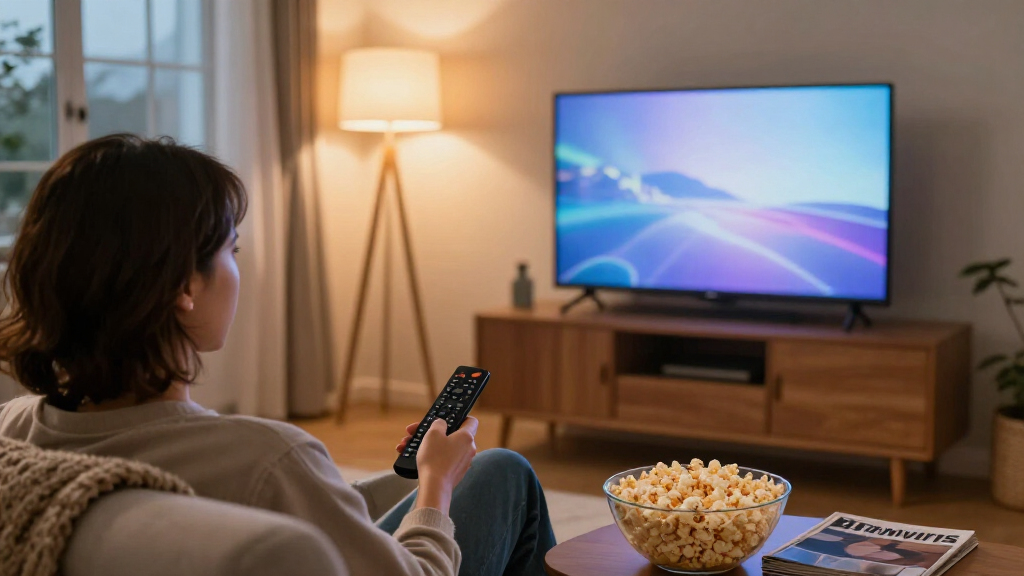
I evaluated these fourteen devices based on processor performance, interface responsiveness, and long-term software support. A streaming box is only as good as its ability to launch apps quickly and buffer high-bitrate 4K HDR content without stuttering. I prioritized models that receive regular firmware updates, ensuring compatibility with new video codecs and app features for years to come.
Value was assessed not just by sticker price, but by total cost of ownership, including the need for separate remote batteries or premium HDMI cables. I also weighed the breadth of app availability, favoring platforms that support both major subscription services and niche free ad-supported channels. This approach highlights which devices offer genuine utility versus those that simply offer cheap hardware with compromised user experiences.
Factors to Consider When Choosing Best Home Streaming Devices
Choosing a streaming device involves more than picking the box with the highest resolution spec. You must align the hardware with your existing smart home setup, your preferred content ecosystem, and your tolerance for interface lag. The following factors will help you filter through the noise.
Processor Power and RAM
Most buyers overlook that streaming devices are essentially small computers. If the processor is weak, the interface will feel sluggish regardless of your internet speed. High-end models like the Apple TV 4K and Fire TV Cube use powerful chips that keep apps in memory, allowing you to switch between Netflix and YouTube instantly. Budget sticks often rely on older processors that force apps to reload every time you navigate away, creating a frustrating experience. If you hate waiting for menus to load, investing in a device with at least 2GB of RAM and a quad-core processor is worth the extra cost.
Ecosystem Compatibility
Your choice of streaming player should match your smartphone and smart home infrastructure. If you live in the Apple ecosystem, the Apple TV 4K offers seamless integration with AirPlay, HomeKit, and iCloud photo libraries that other devices cannot replicate. Conversely, if you rely on Alexa for smart home control, the Fire TV line provides native voice control for lights and thermostats without extra hubs. Mixing ecosystems often results in lost features, such as the inability to use voice commands for specific smart home actions or missing out on exclusive app integrations.
Wi-Fi Standards and Connectivity
While all these devices support 4K, their ability to maintain that quality depends on wireless stability. Wi-Fi 6E support, found in the Fire TV Cube and Google TV Streamer, allows devices to connect to less congested 6GHz bands, reducing buffering during peak hours. Older devices limited to Wi-Fi 5 may struggle in households with many connected gadgets. If you cannot use an Ethernet cable, prioritize a device with the latest Wi-Fi standards. If you can run a cable, you can save money by choosing a device without premium wireless hardware.
App Selection and Free Content
Roku has historically offered the widest selection of channels, including many free ad-supported services that are not available on Apple TV. However, the gap is narrowing as other platforms expand their libraries. If your primary goal is to watch free content, Roku devices often provide the most straightforward path to thousands of free movies and TV shows. Amazon Fire TV and Google TV also support these services, but their interfaces sometimes bury free options in favor of promoting paid subscriptions. Check which specific free channels you use before committing to a platform.
Remote Control and Voice Features
The remote is your primary interface, and its design varies widely. Roku Voice Remotes are simple and reliable, while Amazon’s Alexa Voice Remote offers deeper smart home integration but can feel cluttered with buttons. The Apple TV Siri Remote uses a touchpad for navigation, which some users find intuitive and others find imprecise. Consider whether you prefer voice search for finding content or if you are comfortable typing on a mobile app. Also, check if the remote requires standard batteries or has a rechargeable battery, as this affects long-term maintenance.
Frequently Asked Questions
Do I need a 4K streaming device if my TV is only 1080p?
No, buying a 4K device for a 1080p TV does not improve picture quality, as the TV cannot display the extra pixels. However, 4K devices often feature more powerful processors and more RAM than their 1080p counterparts, which results in a snappier interface and faster app loading. If you plan to upgrade your TV within the next two years, investing in a 4K-capable device now can save you from having to replace it later. For a permanent 1080p setup, a basic HD streaming stick will perform just as well for a lower price.
Is it better to use a streaming stick or a streaming box?
Streaming sticks plug directly into the HDMI port and are ideal for hiding the device behind the TV, keeping your setup clean. Streaming boxes sit externally and typically offer stronger Wi-Fi antennas, more storage, and better cooling, which translates to better performance. If your TV is mounted far from the router, a box with an Ethernet port or advanced Wi-Fi is the safer choice for stable 4K playback. Sticks are perfect for guest rooms or secondary TVs where high-end performance is less critical than convenience and cost.
Can I use my smartphone as a remote for any of these devices?
Most major platforms offer companion apps that turn your phone into a remote, but the experience varies. The Roku app and Amazon Fire TV app are highly functional, allowing for text input and voice search that is often faster than using the physical remote. The Apple TV relies on the Siri Remote or Apple Watch, with limited third-party app support for remote control. If you dislike typing with a remote, verify that your preferred platform has a robust mobile app before purchasing the hardware.
Why does my streaming device buffer even with fast internet?
Buffering is often caused by wireless interference rather than insufficient bandwidth. Many cheap streaming sticks use older Wi-Fi chips that struggle with congestion from other devices like phones, laptops, and smart speakers. Upgrading to a device with Wi-Fi 6 or Wi-Fi 6E can resolve this by allowing the device to connect to less crowded frequencies. Alternatively, moving the router closer or using a wired Ethernet adapter can eliminate the issue entirely, regardless of the device you own.
Do I need to buy a separate HDMI cable for these devices?
Most devices come with a basic HDMI cable that is sufficient for 4K HDR content. However, some budget models, such as certain onn or Roku sticks, may require you to purchase an extension cable if your TV ports are recessed or hard to reach. Premium HDMI cables are generally unnecessary for streaming, as the digital signal is either perfect or non-existent; expensive cables do not improve picture quality. Check the box contents carefully to see if an extension cable is included, as this is a common hidden cost for wall-mounted TVs.
Conclusion
To summarize the best home streaming devices for 2027, the Amazon Fire TV Cube (3rd Gen) is the best overall choice for most users, balancing raw power with smart home utility. If you are deep in the Apple ecosystem, the Apple TV 4K (4th Generation) is the best premium option, offering unmatched integration and build quality. For those on a tight budget, the onn 4K UHD or Roku Premiere represent the best value picks, provided you accept slower interface speeds. Beginners who want simplicity and the widest app selection should choose the Roku Streaming Stick 4K. Finally, for users with complex smart home setups, the Google TV Streamer offers the best compatibility with a wide range of third-party devices. Match your choice to your ecosystem and performance needs to avoid buyer’s remorse.