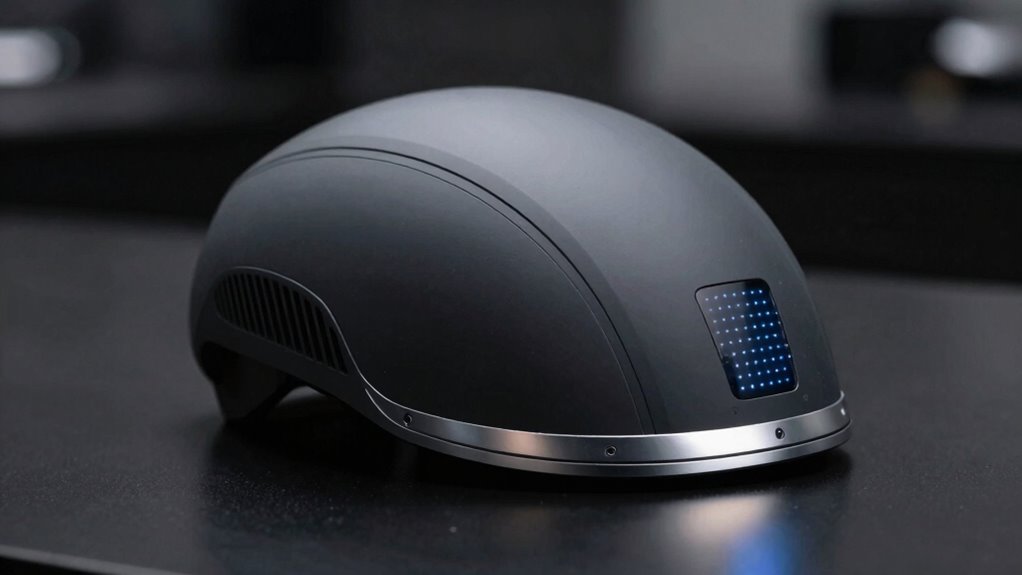

When choosing a laser cap for hair growth, focus on its technical features instead of marketing buzz. Look for devices with a wavelength in the 630-670 nanometer range, which penetrates the scalp safely and effectively. Make certain the cap has a well-distributed number of laser diodes to cover thinning areas evenly. Comfort and fit also matter for consistent use, so choose a lightweight, adjustable design. To discover more about what makes a laser cap truly effective, keep exploring how these features make a difference.

Get the latest gadgets delivered free with Prime
- Fast, free delivery on millions of items
- Prime Video, Amazon Music and more included
- Member-only deals all year
Key Takeaways
- Prioritize devices with scientifically validated wavelengths (630-670 nm) for effective scalp penetration.
- Ensure even laser diode distribution to maximize coverage of thinning areas.
- Choose ergonomic, adjustable caps that fit snugly for consistent contact and comfort.
- Opt for user-friendly designs with clear instructions and features that support regular treatment routines.
- Focus on clinical evidence and device quality over marketing claims for safe, effective hair growth.

If you’re struggling with hair thinning or baldness, laser caps could be a game-changer for you. These devices promise to boost hair thickness and improve scalp health, but not all laser caps are created equal. When you’re evaluating options, the features that truly matter often get overshadowed by marketing hype. It’s essential to look beyond the claims and focus on what makes a laser cap effective and safe for your needs.
First, consider the technology behind the device. Look for laser caps that use low-level laser therapy (LLLT), which has been scientifically shown to stimulate hair follicles and enhance scalp health. The number of laser diodes is key; more diodes generally mean more coverage and better chances of reaching all areas of thinning hair. Some products boast hundreds of laser diodes, but if they’re poorly distributed or not focused, the effectiveness drops. A well-designed laser cap should distribute the light evenly across your scalp, targeting areas where hair thinning is most prominent. Additionally, understanding the scientific evidence behind LLLT can help you gauge the potential success of your treatment. Recognizing the biological mechanisms involved in hair growth can further inform your decision, as it demonstrates the scientific basis for laser therapy’s effectiveness. Furthermore, knowledge of the clinical studies supporting laser therapy can provide reassurance about its safety and efficacy. Staying informed about advances in research can help you choose a device aligned with the latest scientific findings.
Choose laser caps with well-distributed diodes for even coverage and better results in thinning areas.
Another important feature is the cap’s power output and wavelength. For ideal results, the laser light should be within the 630-670 nanometer range, which penetrates the scalp effectively without causing damage. Higher power output doesn’t always mean better results—it’s about the quality and safety of the wavelength used. A cap with adjustable settings can be beneficial, allowing you to customize treatments based on your specific scalp condition and hair goals.
Comfort and fit are also essential. A laser cap should sit snugly but comfortably on your head, ensuring consistent contact with your scalp. If it’s too loose or heavy, you might be tempted to skip sessions, reducing effectiveness. Look for lightweight materials, adjustable straps, and a design that accommodates your head shape. Proper fit maximizes contact, ensuring the laser light reaches your scalp and promotes hair thickness and scalp health.
Finally, consider the device’s ease of use and treatment schedule. The best laser caps are user-friendly, with clear instructions and minimal maintenance. Consistency is key—most users see results after several months of regular use. A device that integrates seamlessly into your routine, perhaps with timers or automatic shut-off features, helps maintain regular treatments and boosts your chances of success.
In essence, the features that matter most in a laser cap aren’t flashy marketing claims but the technical specifications that influence safety and efficacy. When you focus on device quality, coverage, wavelength, fit, and ease of use, you’re better equipped to choose a laser cap that genuinely supports your goal of increasing hair thickness and improving scalp health. Additionally, understanding the scientific backing behind the technology used can help you make a more informed decision.
laser hair growth cap with 630-670nm wavelength
As an affiliate, we earn on qualifying purchases.
As an affiliate, we earn on qualifying purchases.
Frequently Asked Questions
How Long Does It Take to See Results With Laser Caps?
You’ll typically see hair growth results with laser caps in about 12 to 26 weeks, but consistency is key. Don’t fall for hair growth myths that quick fixes exist—patience matters. Regular device maintenance guarantees peak performance, so clean and check your laser cap as instructed. Keep using it as directed, and you’ll gradually notice thicker, healthier hair. Remember, real results take time and dedication.
Are Laser Caps Safe for All Hair Types and Skin Tones?
Laser caps are generally safe for most hair types and skin tones, but it’s important to be aware of hair growth myths. Laser cap technology is designed to stimulate hair follicles without causing harm, yet individuals with very dark skin or certain medical conditions should consult a healthcare professional first. Always follow manufacturer instructions and seek personalized advice to guarantee safe, effective use tailored to your unique hair and skin characteristics.
Can Laser Caps Be Used Alongside Other Hair Treatments?
Yes, you can use laser caps alongside other hair treatments, but it’s vital to take into account your overall hair care routine. Complementary therapies like topical solutions or medications can enhance results, but avoid overloading your scalp, which might cause irritation. Always consult your healthcare provider or a specialist to ensure your combined hair care routines are safe and effective, maximizing benefits without risking adverse effects.
What Is the Recommended Frequency of Use for Optimal Results?
For ideal results, you should use your laser cap three times a week, ensuring consistent stimulation of hair follicles. This frequency balances product durability, preventing overuse that might wear out the device faster, and considers cost considerations by avoiding unnecessary sessions. Stick to this routine, and you’ll maximize hair growth benefits without compromising your laser cap’s longevity or your budget. Proper use is key to seeing the best results.
Do Laser Caps Require Professional Supervision or Can They Be Used at Home?
Think of using a laser cap like tending a delicate garden—you can tend it at home with proper tools. Laser caps typically don’t require professional supervision, but following home usage guidelines is essential for safety and effectiveness. Always read the instructions carefully, and if you have concerns or underlying conditions, consult a healthcare professional. This way, you nurture your hair growth safely, just like tending a thriving garden.
adjustable laser hair growth cap
As an affiliate, we earn on qualifying purchases.
As an affiliate, we earn on qualifying purchases.
Conclusion
So, when considering laser caps for hair growth, isn’t it smarter to focus on the features that truly matter rather than just marketing hype? Look for quality, safety, and proven effectiveness. Remember, a device that’s built well and backed by research will serve you better in the long run. Why settle for flashy ads when you can choose something that genuinely helps you achieve your hair goals? Isn’t your confidence worth it?
low-level laser therapy hair device
As an affiliate, we earn on qualifying purchases.
As an affiliate, we earn on qualifying purchases.
scientifically validated laser hair cap
As an affiliate, we earn on qualifying purchases.
As an affiliate, we earn on qualifying purchases.
Fall Picks
fall essentials
As an affiliate, we earn on qualifying purchases.