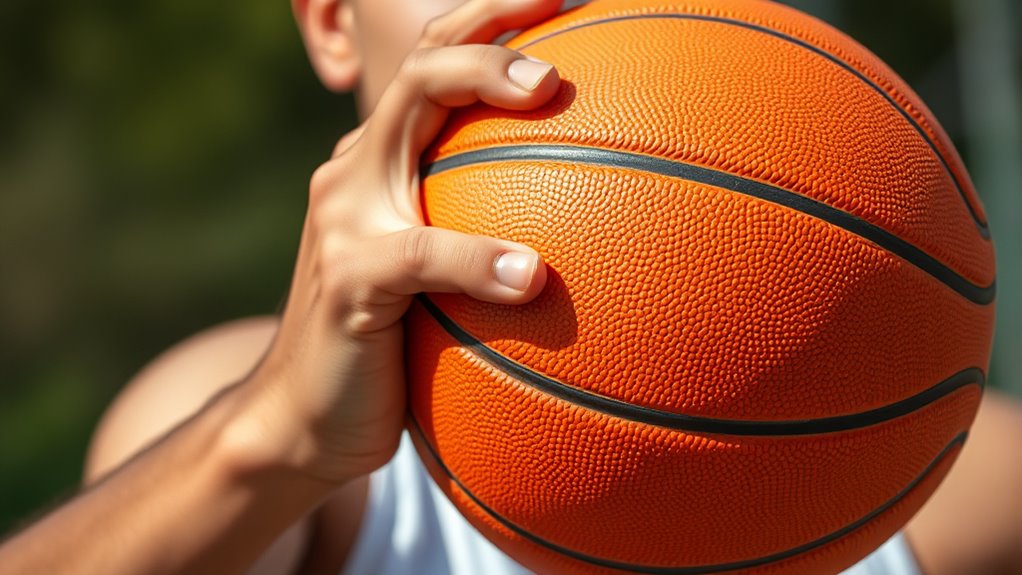

The “Trust Me I Know Ball” meme is a humorous way people showcase their overconfidence in basketball knowledge online. It pokes fun at fans and analysts who make bold, often inaccurate takes about players, plays, or strategies, despite limited expertise. The phrase is used to mock or emphasize the contrast between perceived and actual understanding, often paired with funny clips or images. Keep going to discover more about how this meme became a staple in sports conversations.

Get the latest gadgets delivered free with Prime
- Fast, free delivery on millions of items
- Prime Video, Amazon Music and more included
- Member-only deals all year
Key Takeaways
- The meme originated from online sports communities to mock overconfidence in basketball knowledge.
- It is often used humorously to highlight or parody exaggerated or uninformed takes.
- The phrase signals confidence, sometimes sarcastically, about understanding basketball insights or plays.
- It reflects a cultural tendency to overestimate one’s expertise and the humorous tension in sports discourse.
- The meme has become a popular shorthand for playful skepticism and self-awareness in basketball conversations.

The “Trust Me I Know Ball” meme has become a popular way for sports fans and commentators to confidently assert their knowledge about basketball, often highlighting humorous or exaggerated overconfidence. It’s a phrase you’ve likely seen online, used to mock or poke fun at those who act as if they’re basketball experts, regardless of their actual understanding. This meme taps into the culture of sports discourse where confidence can sometimes overshadow actual insight, making it both relatable and hilarious. When you see someone post a hot take or a bold prediction with a caption like “Trust me I know ball,” it typically signals that they’re either joking or trying to emphasize their supposed expertise. This phrase has become a shorthand for dismissing overly confident, sometimes uninformed, takes—yet it’s also become a badge of honor for some fans who genuinely believe their insight is superior.
The origins of the meme trace back to the broader internet culture of meme humor, where phrases are repurposed and exaggerated to create comedic effect. It initially gained traction on social media platforms like Twitter, Reddit, and TikTok, where basketball fans and content creators started using it in humorous contexts. The phrase quickly evolved into a meme because of its simple, relatable premise: many fans and commentators alike tend to overestimate their knowledge of the game, often making bold claims without much basis. The phrase is used both sincerely and sarcastically, but its popularity soared as it encapsulated that universal feeling of confidently speaking about something you might not fully understand. Over time, it’s been paired with images or clips of players making questionable plays or fans giving wildly inaccurate player analysis, reinforcing the comedic effect.
You’ll notice the meme also sometimes appears alongside clips of basketball players or commentators, emphasizing the contrast between genuine expertise and overconfidence. It’s become a humorous way to call out those who hype up players, criticize tactics, or make predictions based solely on biases rather than facts. The meme’s humor lies in its recognition of the gap between perceived and actual knowledge, often highlighting how fans and analysts alike fall into this trap. Whether it’s a casual tweet, a TikTok skit, or a meme image, the phrase “Trust me I know ball” captures that playful tension between confidence and competence in basketball conversations. It also exemplifies how public perception of expertise can sometimes be misleading or inflated. This simple phrase, rooted in meme origins, has become a staple in the online basketball community, reminding everyone that sometimes, it’s okay to admit you don’t know everything—just as long as you’re having fun with it.
Products Worth Considering

Samsung 27-inch Odyssey OLED G6 QD-OLED QHD Gaming Monitor

LG UltraGear 32GX850A-B 32-Inch 4K UHD Glossy OLED Gaming Monitor

Sony WH-1000XM4C Wireless Noise-Cancelling Headphones, Black
As an affiliate, we earn on qualifying purchases.
Frequently Asked Questions
When Did the “Trust Me I Know Ball” Meme First Originate?
You’ll find that the “Trust Me I Know Ball” meme first originated around 2014, emerging from sports humor communities online. It evolved as a humorous way to highlight confident but often clueless sports fans, becoming a staple in meme culture. Its evolution showcases how simple phrases can capture the humor in sports debates, resonating with fans who love sharing relatable sports humor moments online.
Who Is the Typical Target Audience for This Meme?
Targeting trivia-toting teens and sports-savvy seniors, the typical audience for this meme is those who love sports fandom and have meme literacy. You’ll find avid fans and casual viewers alike, drawn to its humor and hype. They enjoy decoding clever commentary and catching cultural cues, making the meme a memorable mix of sports satire and social savvy. This diverse demographic appreciates humor that’s both relatable and razor-sharp.
Are There Any Notable Variations of the Meme Across Sports?
You’ll notice meme adaptations across different sports, where fans add sports-specific phrases or imagery to emphasize their expertise. In basketball, you might see it with phrases like “Trust Me I Know Dunk,” while in football, it could be “Trust Me I Know Playbook.” These variations highlight sport-specific jargon and moments, making each meme more relatable to fans of that sport and emphasizing their confidence in their knowledge.
How Has the Meme Influenced Sports Commentary Culture?
You see, the meme has really shaped sports commentary culture by boosting social media influence and fan engagement. It encourages fans to share humorous takes and show support for their teams, creating a lively online community. Commentators and players also use it to connect with fans, making discussions more relatable. This trend keeps fans more involved, making sports conversations more interactive and fun, ultimately strengthening the bond between teams and their supporters.
What Are Some Common Contexts Where the Meme Is Used?
Imagine a spotlight shining bright—you’re likely to see the “Trust Me I Know Ball” meme pop up during sports debates, especially when someone claims expert knowledge. It’s often used in social media to mock celebrity endorsements, exaggerated confidence, or meme evolution, highlighting when someone overestimates their skills. You’ll find it in comment sections, memes, or videos where fans or players humorously assert dominance or expertise in basketball or sports in general.
Conclusion
So, next time you see someone confidently dropping basketball stats, remember the “Trust Me I Know Ball” meme. It’s like a badge of basketball wisdom, whether or not they actually know the game. Just like a catchy tune sticks in your head, this meme highlights how confidence can sometimes overshadow knowledge. Keep an eye out for it, and you’ll see how humor, sports, and internet culture come together, creating a fun, memorable vibe you can’t ignore.