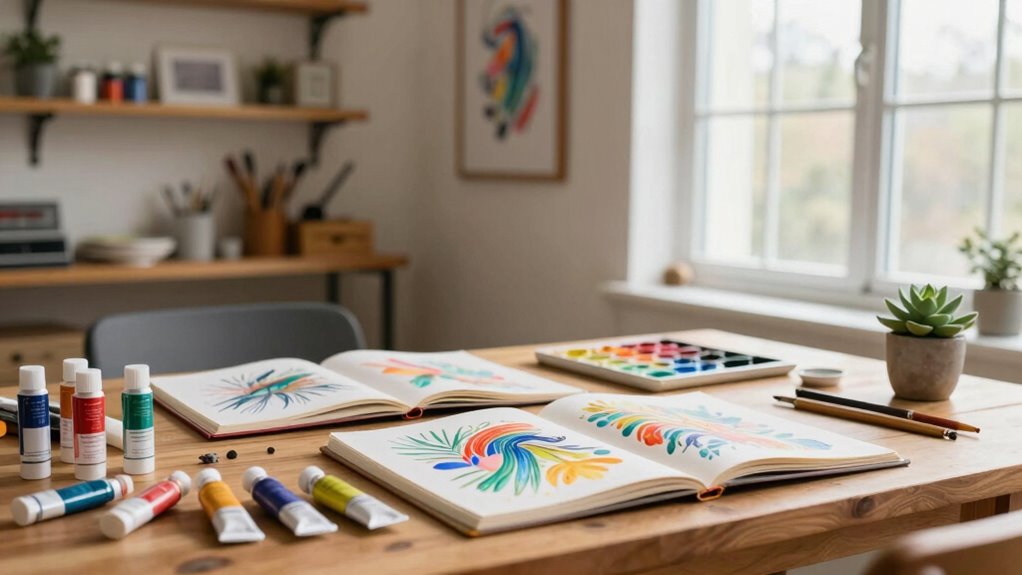

To prevent burnout, adopt a simple creative hobby budget rule: set a clear monthly limit and stick to it. Focus on essentials, prioritize quality, and avoid impulsive buys. Implement a cooling-off period before making major purchases and track your expenses regularly. This discipline helps you stay passionate without financial stress, keeping your hobby enjoyable long-term. Maintaining this balance ensures your creativity stays fresh—there’s more to discover if you keep exploring this approach.

Get the latest gadgets delivered free with Prime
- Fast, free delivery on millions of items
- Prime Video, Amazon Music and more included
- Member-only deals all year
Key Takeaways
- Set a clear monthly spending limit focused on essential and versatile supplies to avoid financial overload.
- Track expenses regularly to ensure purchases align with your budget and prevent impulsive buying.
- Prioritize quality over quantity, investing in durable supplies that support long-term creative engagement.
- Implement a cooling-off period before large purchases to promote thoughtful spending and reduce burnout risks.
- Balance current creative needs with future projects through strategic financial planning to maintain sustainable enthusiasm.
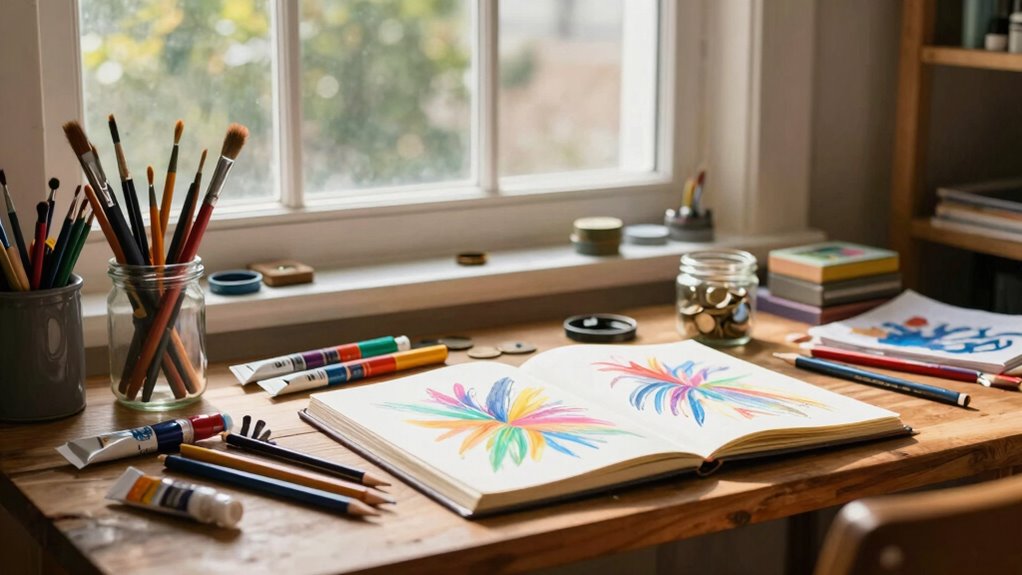
If you want to enjoy your creative hobbies without stressing over expenses, establishing a simple budget rule can make all the difference. When you set clear boundaries around your spending, art supply budgeting becomes more manageable, and hobby expense tracking helps you stay aligned with your financial goals. This approach prevents overspending and keeps your passion sustainable over time. Rather than feeling guilty or overwhelmed every time you purchase new supplies, you’ll have a system that encourages mindful spending, so your hobby remains a source of joy, not stress.
Start by deciding how much money you’re comfortable dedicating each month to your creative pursuits. This doesn’t have to be a large sum—just enough to cover essentials and occasional extras. Once you’ve set your limit, track every expense diligently. Hobby expense tracking is essential because it allows you to see where your money is going and helps you identify patterns or areas where you might be overspending. With each purchase, ask yourself if it aligns with your budget and if it adds value to your creative process. Over time, this habit cultivates a more intentional approach to purchasing art supplies, which is key to art supply budgeting. Incorporating financial literacy into your routine can also help you understand the true value of your investments in supplies and tools. Developing a financial mindset can further strengthen your ability to make informed decisions about your creative spending.
Track every expense to stay mindful of your budget and enhance your creative journey.
Applying a budget rule also means being realistic about your needs. Instead of buying everything at once, prioritize quality over quantity. For example, invest in a few versatile, high-quality supplies rather than numerous lower-quality items. This way, your budget stretches further, and your creative work benefits from better tools. When you’re disciplined about hobby expense tracking, you can also set aside a small emergency fund for unexpected costs, like replacing worn-out brushes or a missing sketchbook. Understanding the importance of budgeting can help you make smarter purchasing decisions and avoid impulsive buys. Additionally, being aware of your financial habits can help you develop a more sustainable approach to your creative spending.
Furthermore, incorporating financial planning into your hobby routine ensures you’re not only managing current expenses but also preparing for future needs or projects. Additionally, consider implementing a “cooling-off” period before making big purchases. If you spot a new set of paints or a fancy pen, give yourself a few days to think about whether you truly need it. This pause helps prevent impulse buying and keeps your art supply budgeting on track. Remember, the goal isn’t to restrict your creativity but to ensure your hobby remains enjoyable and sustainable. By controlling your spending, you avoid burnout caused by financial stress, allowing you to focus solely on your artistic growth.
In the end, the key to preventing burnout is maintaining a balanced approach to your creative hobbies. With a simple budget rule, art supply budgeting, and hobby expense tracking, you keep your passion alive without the financial strain. When your hobby becomes a source of fulfillment rather than worry, you’re more likely to stay inspired and committed for the long haul.
Frequently Asked Questions
How Do I Track My Creative Hobby Expenses Effectively?
To track your creative hobby expenses effectively, start by setting a dedicated budget for material sourcing and skill development. Use a simple spreadsheet or budgeting app to log every purchase, noting the date, item, and cost. Regularly review your expenses to stay within your limits, and identify areas where you can cut back or invest more. This approach keeps your hobby enjoyable without overspending or burnout.
What Are Some Signs I’M Overspending on My Hobby?
If you notice your hobby financing feels like a rushing river, overflowing beyond your spending limits, it’s a sign you might be overspending. When expenses start to impact your budget or cause stress, it’s time to pause. Keep an eye on your spending habits, and set clear boundaries to protect your passion from turning into financial strain. Recognizing these signs helps you enjoy your hobby sustainably and without burnout.
Can the Budget Rule Be Adjusted for Different Hobbies?
Yes, you can adjust the budget rule for different hobbies by allowing more flexibility and embracing hobby diversification. When trying new activities, set a flexible budget that adapts to each hobby’s costs, preventing overspending. This way, you enjoy variety without financial stress. By balancing your budget and exploring different interests, you keep your creative passion alive while staying financially responsible.
How Often Should I Review My Hobby Budget?
You should review your hobby budget monthly to practice financial mindfulness and maintain artistic balance. Regular check-ins help you track spending, adjust for changing interests, and avoid burnout. During these reviews, reflect on whether your expenses align with your creative goals, ensuring you’re not overspending or neglecting other financial priorities. This consistent approach keeps your hobby enjoyable and sustainable without sacrificing your financial stability.
What if I Want to Upgrade My Supplies Unexpectedly?
Ever wonder how to handle spontaneous upgrades without wrecking your budget? When impulse buying strikes, set aside a small emergency fund specifically for unexpected supply upgrades. It’s smart to review this fund regularly, so you’re prepared for those surprise moments. This way, you can indulge in spontaneous upgrades without guilt or stress, maintaining your creative flow while keeping your finances intact. Wouldn’t that be a balanced approach?
Conclusion
By setting a dedicated creative hobby budget, you keep burnout at bay and stay inspired. Did you know that 70% of hobbyists report increased happiness and reduced stress when they regularly invest in their passions? Stick to your budget, enjoy your creative pursuits without guilt, and watch your enthusiasm grow. Remember, a little planning goes a long way in maintaining your love for your hobby and keeping your creative spark alive!
Halloween Picks
halloween
As an affiliate, we earn on qualifying purchases.