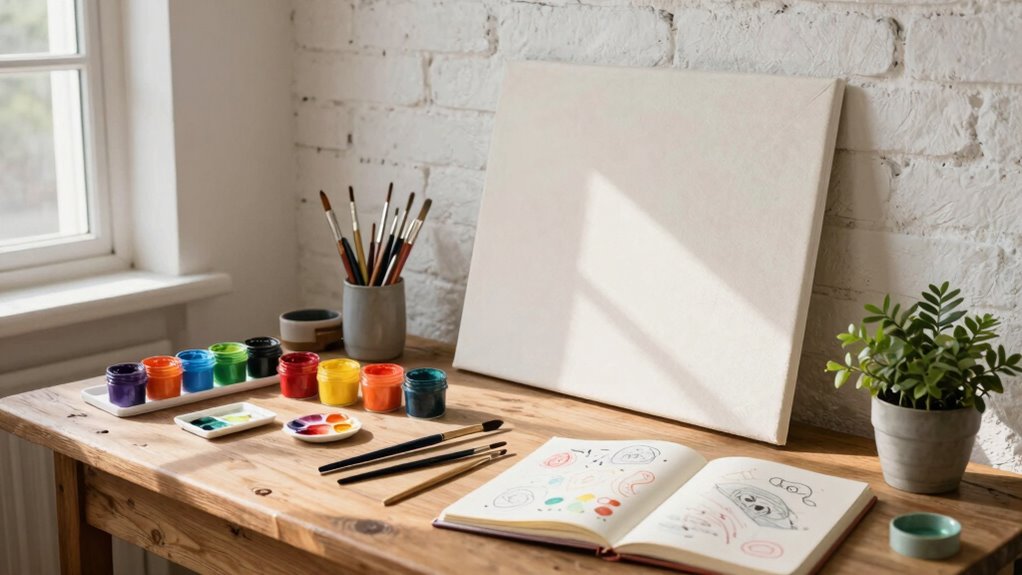

To pick a creative hobby that sticks, start by exploring activities that match your interests and values while considering your available resources. Choose something that offers a balance of challenge and enjoyment, helping you stay motivated. Keep it simple to fit into your routine and be patient with the process—trying different options will help you find what truly excites you. If you’re curious about making your choice even easier, there’s more to discover below.

Get the latest gadgets delivered free with Prime
- Fast, free delivery on millions of items
- Prime Video, Amazon Music and more included
- Member-only deals all year
Key Takeaways
- Identify activities aligned with your interests and values that promote calm or excitement, matching your desired energy level.
- Start with simple, accessible hobbies that fit your budget and space, allowing easy experimentation and sustainability.
- Focus on hobbies that offer tangible progress and skill development to maintain motivation and confidence.
- Prioritize activities that seamlessly integrate into your daily routine for long-term engagement.
- Choose hobbies that genuinely excite you, fostering patience and joy throughout the learning process.
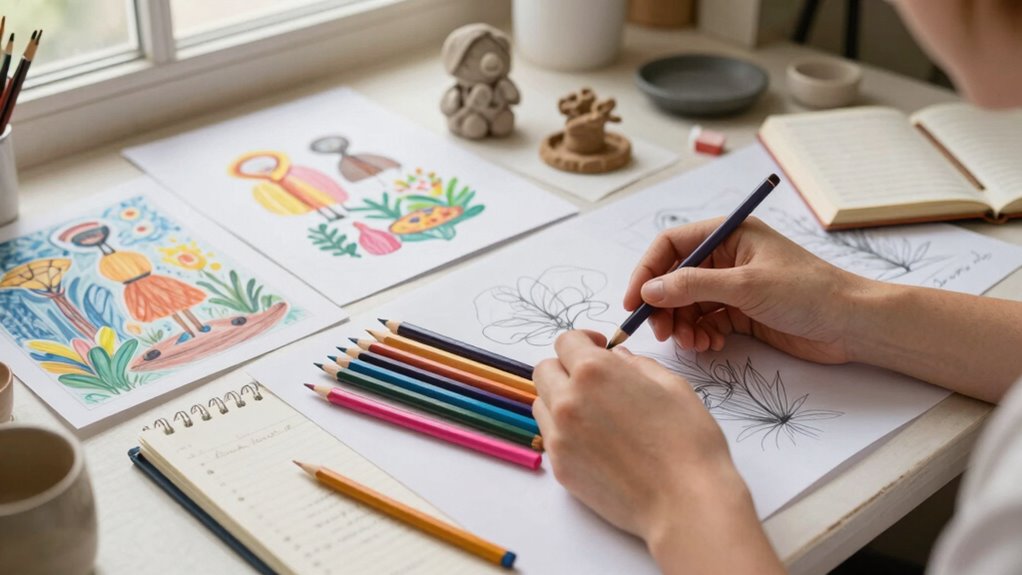
Choosing a creative hobby can feel overwhelming with so many options available, but it becomes easier when you identify what truly excites you. The key is to start by exploring activities that resonate with your interests and values. Think about the kind of energy you want to bring to your free time—do you seek calm and reflection or excitement and challenge? Once you have a general sense, you can narrow your choices by considering how each hobby aligns with your goals, such as mindfulness practices or skill development. For example, if you’re looking for a way to relax and stay present, activities like painting, journaling, or playing an instrument can serve as mindful practices, helping you stay grounded and focused. These hobbies aren’t just about creating something; they also foster a sense of calm and clarity, making them excellent options for a first creative pursuit.
If you’re more interested in building a new skill, consider hobbies that challenge you and promote growth. Learning to play the guitar, take up knitting, or try photography can give you a tangible sense of progress as you develop new techniques. The idea is to pick something you’re genuinely curious about, so your motivation stays high even when progress feels slow at first. As you engage regularly, you’ll notice your skill development accelerates, and your confidence grows. This momentum makes it easier to stick with your hobby over time, turning it into a sustainable part of your routine.
Choosing a hobby that sticks also means considering your lifestyle and available resources. If you have limited space or budget, opt for activities that require minimal equipment, like sketching or writing. Conversely, if you have more freedom and resources, you could explore more involved hobbies such as pottery or dance classes. The important thing is to start small and give yourself permission to experiment. Not every activity will become your lifelong passion, but each attempt provides valuable insight into what suits you best. Recognizing the importance of accessible hobbies can help you select activities that fit seamlessly into your daily life.
Ultimately, the goal is to find a creative pursuit that keeps you engaged and brings joy without feeling like a chore. Be patient with yourself as you try different things, and remember that the process of skill development and mindfulness practices in your hobby can be just as rewarding as the finished product. When you choose something that genuinely excites you, it becomes much easier to stick with it, turning a casual interest into a meaningful part of your life. Recognizing the connection between your interests and available resources can help you select hobbies that are both enjoyable and sustainable.
beginner watercolor painting kit
As an affiliate, we earn on qualifying purchases.
As an affiliate, we earn on qualifying purchases.
Frequently Asked Questions
How Much Time Should I Dedicate to My New Hobby Weekly?
You should dedicate about 3-4 hours weekly to your new hobby, balancing it with your other commitments. Time management is key—start small, maybe 30-minute sessions, then gradually increase. To keep your interest, explore hobby variety, switching between activities to stay motivated. Consistency matters more than duration; regular practice helps you develop skills and keeps the hobby enjoyable.
What Budget Is Typical for Starting a Creative Hobby?
Starting a creative hobby is like planting a seed—you don’t need a forest’s worth of resources. For most beginners, a budget of $50 to $100 covers essential beginner tools, making budget planning manageable. Focus on affordable, quality beginner tools that suit your chosen hobby. As your interest grows, you can gradually invest more. Keep it simple and fun, and your passion will flourish without breaking the bank.
Can I Combine Multiple Hobbies Effectively?
Yes, you can definitely combine multiple hobbies effectively. Hobby integration and multi-creative approaches allow you to blend skills and interests, making your creative pursuits more exciting. For example, you might mix painting with digital art, or knitting with design blogging. By experimenting with different combinations, you keep your hobbies fresh, inspiring, and sustainable, ensuring you stay engaged and motivated as you develop your unique creative style.
How Do I Stay Motivated During Slow Progress?
To stay motivated during slow progress, focus on overcoming mindset challenges by celebrating small victories. Keep track of your progress to see how far you’ve come, which boosts your confidence. Remind yourself that growth takes time and persistence. When setbacks happen, stay patient and adjust your goals if needed. Maintaining a positive outlook and regularly reviewing your progress keeps your enthusiasm alive, helping you stick with your hobby long-term.
Are There Beginner-Friendly Resources or Classes Available?
Yes, there are plenty of beginner-friendly resources to get you started. You can join beginner workshops at local community centers or art studios, which offer hands-on guidance. Online tutorials are also great; platforms like YouTube and skill-specific websites provide step-by-step instructions that suit beginners. These resources help you learn at your own pace, build confidence, and stay motivated as you develop your new creative hobby.
As an affiliate, we earn on qualifying purchases.
Conclusion
Choosing a creative hobby is all about finding what lights a fire in you and sticking with it. Remember, it’s better to jump in and get your hands dirty than to wait for the perfect moment. Sometimes, the best way to learn what you love is to just start. So don’t be afraid to take the plunge—you might find your passion just around the corner, waiting to turn your world upside down in the best way.
As an affiliate, we earn on qualifying purchases.
As an affiliate, we earn on qualifying purchases.
Halloween Picks
halloween
As an affiliate, we earn on qualifying purchases.