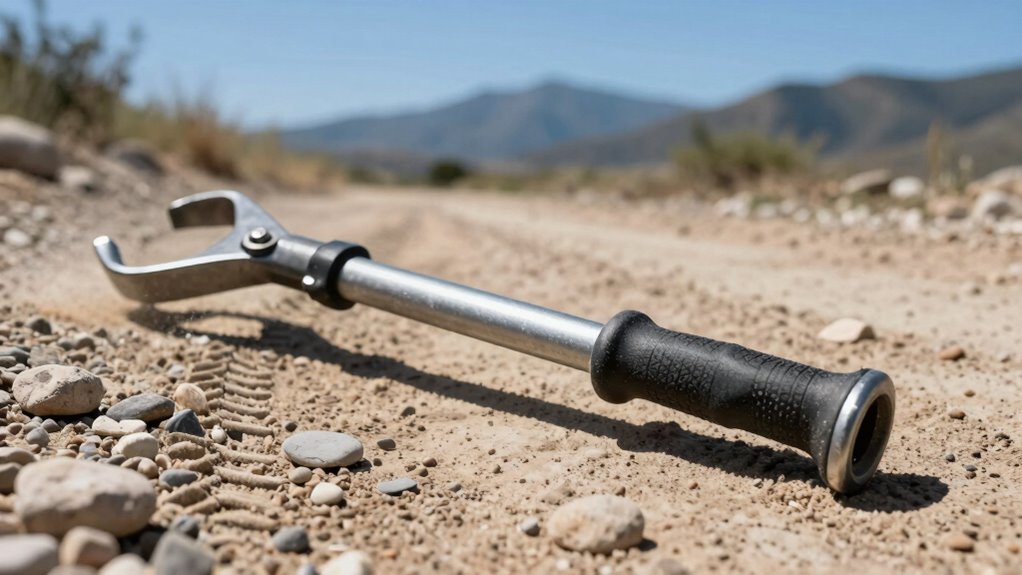

Many off-road enthusiasts buy tools like winches and recovery tracks to boost confidence but often neglect practicing with them. Without hands-on experience, you risk unsafe recovery attempts, vehicle damage, and getting stuck longer. Knowing how to properly operate these tools is essential for safety and efficiency. If you continue exploring, you’ll discover how mastering these tools makes your adventures safer and more enjoyable.

Get the latest gadgets delivered free with Prime
- Fast, free delivery on millions of items
- Prime Video, Amazon Music and more included
- Member-only deals all year
Key Takeaways
- Many off-road enthusiasts purchase tools like winches and recovery tracks expecting safety benefits without dedicating time to proper training.
- Buyers often assume equipment use is intuitive, leading to inadequate practice and increased risk during actual recovery situations.
- Lack of hands-on experience with tools results in confusion, longer recovery times, and potential vehicle or personal safety hazards.
- Overconfidence from merely owning tools can cause users to skip essential practice, undermining their effectiveness in emergencies.
- Proper familiarity and routine practice are crucial to translating tool purchase into real-world off-road confidence and safety.
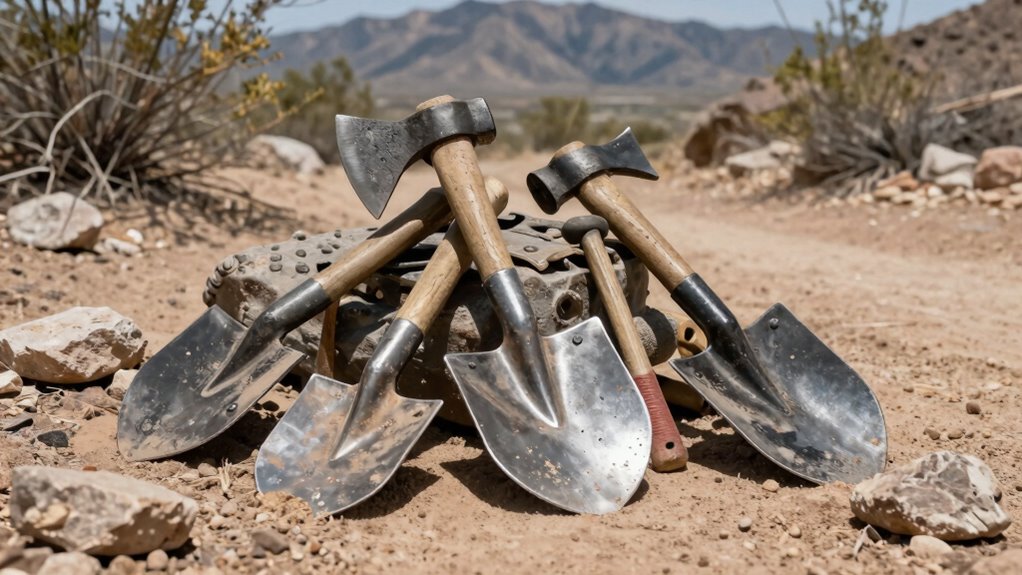
When tackling rugged terrains, having the right off-road tool can make all the difference in boosting your confidence and ensuring a smooth journey. Many enthusiasts invest in these tools, believing they’ll transform their off-road experience overnight. But often, they buy a specific item and then never practice with it, relying solely on the assumption that it will work when needed. This approach can be risky because, without proper familiarity, you might find yourself unprepared when faced with challenging conditions.
Having the right tools is vital, but regular practice and familiarity are key to confident off-road adventures.
One of the most common tools people purchase is a winch. It’s marketed as essential for getting out of tricky spots, and it does deliver on that promise. However, many owners buy a winch without understanding how to operate it safely or effectively. They assume that just having it installed will be enough in an emergency, but in reality, vehicle durability and terrain adaptability depend heavily on knowing how to use such tools properly. If you’re unfamiliar with the winch’s capabilities or the correct procedures to deploy it, you could end up damaging your vehicle or getting stuck longer than necessary. Proper training is vital to ensure safe and effective use of recovery equipment.
Another popular purchase is a set of off-road recovery tracks or boards. They seem straightforward—place them under your tires when stuck, and you’re good to go. Yet, many buy these tools and never practice how to position them correctly or how to use them efficiently. When you encounter mud, sand, or snow, terrain adaptability becomes crucial. Without prior experience, you might waste precious time trying to figure out the best angle or technique, risking further vehicle damage or getting even more embedded. Practice makes perfect, and knowing how to utilize these tools confidently can save your vehicle and your nerves. Proper use of recovery tools is essential to avoid unnecessary complications.
Some off-roaders also invest in specialized tire repair kits or portable air compressors. While these are invaluable during an emergency, they’re often overlooked during regular maintenance or practice runs. Failing to familiarize yourself with these tools means you’re less likely to troubleshoot issues effectively when they arise. Vehicle durability isn’t just about the strength of the frame or tires but also about how well you understand and maintain your equipment under stress. Developing proper maintenance skills and understanding your tools can significantly enhance your off-road confidence and safety. Regularly practicing with these tools also helps you become familiar with their limitations and capabilities, reducing the likelihood of panic during real emergencies.
In the end, buying the right off-road tools is only part of the equation. The real confidence comes from practicing with them regularly—learning their limits, mastering their use, and understanding how they adapt to different terrains. If you skip this step, you risk relying on tools you don’t know well, which can lead to frustration or even dangerous situations. Confidence isn’t built by equipment alone; it’s built through preparation, familiarity, and experience.
Products Worth Considering

Anker SOLIX C1000 Gen 2 Portable Power Station with 200W Solar Panel

Anker SOLIX C300 Portable Power Station with 60W Solar Panel, 288Wh, 300W

Jackery Explorer 1500 v2 Portable Power Station with 200W Solar Panel
As an affiliate, we earn on qualifying purchases.
Frequently Asked Questions
How Often Should I Replace My Off-Road Tools?
You should replace your off-road tools when their durability starts to decline or if you notice any damage, as this affects safety and performance. The replacement frequency varies depending on usage, but generally, inspect your tools regularly—every few months or after intense use—to guarantee they remain reliable. Don’t wait until tools break; replacing them proactively keeps you confident and prevents accidents during your off-road adventures.
Are There Specific Brands Recommended for Beginners?
For beginner-friendly tools, consider brands like ARB, Smittybilt, or Superwinch. These brands are known for their durability, ease of use, and reliable performance, making them perfect for newcomers. You’ll find that their products are designed with simplicity in mind, helping you build confidence on off-road adventures. Start with a basic winch or recovery kit from these brands, and practice regularly to become comfortable and skilled.
What’s the Best Way to Store Off-Road Tools?
You should use proper storage solutions to keep your off-road tools organized and protected. Invest in a sturdy toolbox or a dedicated tool chest with compartments for different tools, making tool organization easier. Consider wall-mounted racks or pegboards for frequently used items, and always keep your tools in a dry, clean place to prevent rust and damage. Regularly check and tidy your storage to guarantee everything remains accessible and in good condition.
Can Off-Road Tools Be Used for On-Road Emergencies?
You can use off-road tools for urban road preparedness in emergencies, but keep in mind they might not always be the best fit for on-road situations. While some off-road tools are compatible with emergency vehicles, their design often favors rough terrain, so they may lack precision or speed on paved roads. It’s wise to have specialized emergency gear on hand, but your off-road tools can serve as a backup when needed.
Do Off-Road Tools Require Special Maintenance?
Off-road tools do require special maintenance to guarantee tool durability. You should follow specific maintenance routines, like cleaning off mud and debris after each use and inspecting for damage. Regular lubrication and proper storage help prevent rust and wear. By maintaining your tools well, you ensure they’re reliable when needed and extend their lifespan, especially since off-road tools are built tough but still need care for peak performance.
Conclusion
So, next time you buy that off-road tool for confidence, remember it’s only part of the journey. Sometimes, the best way to build real trust in your skills is by actually hitting the trails and practicing. Funny how life works—what you buy to feel prepared often becomes the very thing that pushes you to get out there and truly learn. After all, confidence isn’t just about tools; it’s about experience you gain along the way.