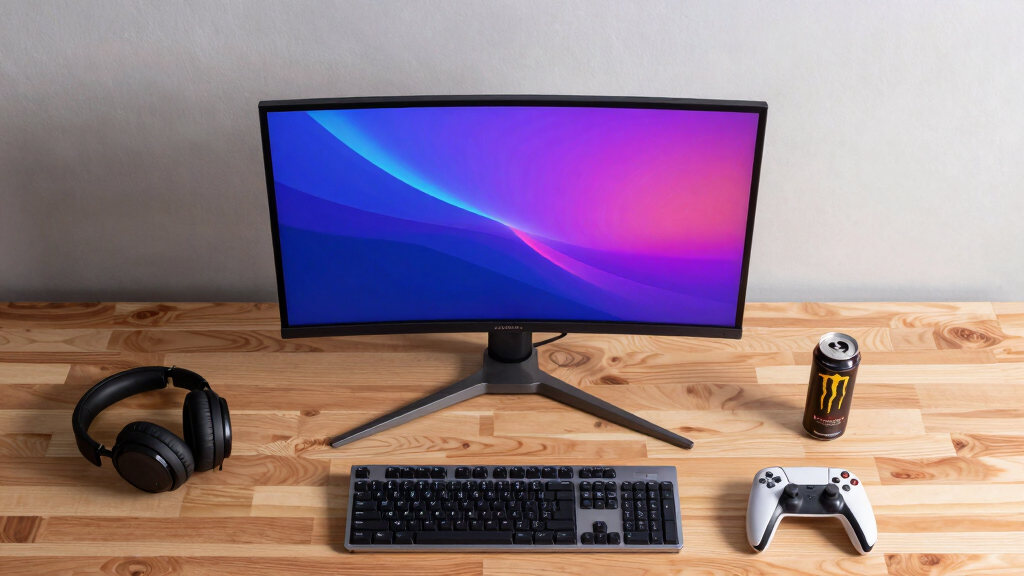
For gamers seeking the ultimate visual experience, OLED monitors stand out with stunning contrast, deep blacks, and vibrant colors. The Samsung 27” Odyssey OLED G5 earns recognition as the best overall choice thanks to its high refresh rate and quick response times. The Acer Predator 26.5″ WQHD OLED offers a compelling mix of speed and color accuracy, making it a strong contender for demanding players. However, tradeoffs like premium pricing and potential burn-in risks are common in this category. Continue reading for a detailed breakdown to find the perfect OLED monitor for your gaming setup.

Get the latest gadgets delivered free — and shop member deals
- Fast, free delivery on millions of items
- Access to Prime Big Deal Days deals on October 6–7
- Prime Video, Amazon Music and more included
Key Takeaways
- High refresh rates (240Hz) are standard across top OLED gaming monitors, ensuring smooth gameplay.
- Response times as low as 0.03ms provide virtually lag-free visuals, crucial for competitive gaming.
- Color accuracy and HDR support vary, with premium models offering near-perfect DCI-P3 coverage and HDR10.
- Build quality and ergonomic features like height adjustment and swivel are key for long gaming sessions.
- G-SYNC and FreeSync compatibility are widespread, but verifying support for your GPU is vital.


More Details on Our Top Picks
Samsung 27” Odyssey OLED G5 (G50SF) QHD & QD-OLED Gaming Monitor, 180Hz Refresh Rate, 0.03ms (GtG) Response Time, NVIDIA G-Sync Compatible, AMD FreeSync™, LS27FG500SNXZA
This model stands out for its impressive QD-OLED panel that balances vibrant colors and deep blacks, making it ideal for both media consumption and casual gaming. Compared to the ASUS XG27AQDMG, it offers slightly lower response times and a more affordable price point, but the build quality and input options feel more basic. The inclusion of HDR10 and Pantone validation ensures accurate color reproduction, enhancing both work and entertainment experiences. Its 180Hz refresh rate isn’t quite as high as some gaming-focused monitors but is sufficient for smooth gameplay and media viewing. The Active OLED safeguards and thermal modulation help prevent burn-in, though the monitor still requires stable power to operate its Pixel refresh feature effectively. Limited connectivity (one HDMI, one DisplayPort, and a USB-A service port) could be restrictive for multi-device setups. Its matte finish reduces glare, making it suitable for well-lit rooms, but the lower peak brightness of 280 nits limits HDR impact slightly. Overall, this pick makes the most sense for users balancing casual gaming, media, and everyday work without needing top-tier gaming specs.Pros:- Exceptional color accuracy with Pantone Validation and HDR10 support
- Vivid, contrast-rich QD-OLED panel for media and casual gaming
- Glare-free matte finish reduces reflections in bright environments
- Active OLED safeguards help prevent burn-in
Cons:- Limited connectivity options with only one HDMI and one DisplayPort
- Peak brightness of 280 nits limits HDR performance
- Build quality is mostly plastic and somewhat basic
Best for: Content creators and media enthusiasts who want vibrant visuals without the premium price of high-end gaming monitors.
Not ideal for: Avid gamers seeking ultra-high refresh rates above 180Hz or those who prioritize advanced connectivity options.
- Display Size:27 Inches
- Resolution:QHD 2560×1440
- Response Time:0.03ms GTG
- Refresh Rate:180Hz
- Connectivity:DisplayPort, HDMI, USB-A
- Panel Technology:QD-OLED
Bottom line: Ideal for users who want a versatile, high-quality OLED display for entertainment and light gaming without the need for ultra-high refresh rates.
- This monitor makes a compelling case for competitive gamers thanks to its 240Hz refresh rate and 0.03ms response time, matching the speed of the ASUS XG27AQDMG but with a larger 26.5-inch display. It shines with its wide DCI-P3 99% color gamut and HDMI 2.1 ports, making it suitable for high-end gaming and multimedia setups. Compared to the Samsung G6, it offers a similar anti-burn-in tech and HDR support, but its higher refresh rate and more extensive connectivity options make it a stronger choice for gamers who also want multi-device compatibility. Its stand supports tilt, height, pivot, and swivel adjustments, catering to ergonomic needs during long gaming sessions. However, despite its impressive specs, the build quality feels somewhat plasticky, and the high-power consumption of 78W may concern energy-conscious users. The design is sleek, but some may find the lack of a built-in speaker a downside for a gaming monitor at this price. Overall, this monitor is designed for competitive gamers who demand speed, flexibility, and excellent color performance.Pros:
- Blazing-fast 240Hz refresh rate with 0.03ms response time
- Wide DCI-P3 99% color coverage for vibrant visuals
- Extensive ergonomic adjustments including tilt, height, pivot, and swivel
- Supports HDMI 2.1 for next-gen consoles and high-bandwidth devices
Cons:- Plastic build quality feels somewhat cheap
- High power consumption at 78W
- No built-in speakers, which could be inconvenient
Best for: Professional or serious gamers who need ultra-fast response times, high refresh rates, and flexible ergonomic adjustments.
Not ideal for: Casual users or content creators who prioritize color accuracy and media viewing over high refresh rates and multiple inputs.
- Display Size:26.5 Inches
- Resolution:WQHD 2560×1440
- Response Time:0.03ms
- Refresh Rate:240Hz
- Ports:2 x DisplayPort 1.4, 2 x HDMI 2.1
- Color Gamut:DCI-P3 99%
Bottom line: Best suited for competitive gamers needing speed, adaptability, and wide color gamuts for immersive gameplay.
ASUS ROG Strix 27” 1440P OLED Gaming Monitor (XG27AQDMG) – QHD, Glossy OLED, 240Hz, 0.03ms, Custom Heatsink, Anti-flicker,Uniform Brightness, G-SYNC Compatible, 99% DCI-P3, DisplayWidget, 3yr warranty
The ASUS ROG Strix XG27AQDMG pushes the boundaries with its glossy WOLED panel that delivers vivid, bright visuals at 240Hz, making it perfect for fast-paced gaming. Its 0.03ms response time is on par with the Acer, but the inclusion of a custom heatsink and airflow design addresses the potential burn-in issues that often concern OLED gamers, giving it an edge in longevity. The monitor’s 99% DCI-P3 coverage and HDR support ensure rich, accurate colors, comparable to the Samsung G6, but with the added benefit of ASUS’s OLED Care technology. Its ergonomic stand offers extensive adjustments for comfort during long gaming marathons. Downsides include a slightly higher price and a more complex menu system, which could be overwhelming for casual users. Overall, this monitor excels for gamers who desire premium speed, vivid visuals, and enhanced durability.Pros:- Exceptional 240Hz refresh rate with 0.03ms GTG
- Advanced cooling with custom heatsink for burn-in prevention
- Vivid 99% DCI-P3 color coverage and HDR support
- Anti-flicker technology for eye comfort during long gaming sessions
Cons:- Higher cost compared to similar models
- Complex menu system may require a learning curve
- Glossy finish increases reflections in bright rooms
Best for: Hardcore gamers looking for ultra-fast response, high refresh rates, and burn-in mitigation in a premium package.
Not ideal for: Budget-conscious users or those mainly interested in color accuracy for creative work without the gaming focus.
- Display Size:27 Inches
- Resolution:QHD 2560×1440
- Response Time:0.03ms
- Refresh Rate:240Hz
- Color Gamut:DCI-P3 99%
- Special Features:Custom heatsink, Anti-flicker, Uniform brightness
Bottom line: This monitor is ideal for high-end gamers who want speed, vivid visuals, and longevity from their OLED display.
Samsung 27″ Odyssey OLED G6 (G61SH) Gaming Monitor – QD-OLED, QHD (1440P), 240Hz, 0.03ms, Glare-Free, Pantone Validated, HDR10, Height-adjustable stand, OLED Safeguard, 3 Year Warranty, LS27HG612SNXZA
The Samsung Odyssey G6 combines its QD-OLED panel’s extraordinary color range and brightness with a highly adjustable stand, making it perfect for gamers who value both visual fidelity and comfort. Its 240Hz refresh rate and 0.03ms response time match the Acer and ASUS models, but the G6 excels with a peak brightness of 400 nits, significantly improving HDR performance compared to lower-brightness OLEDs. The OLED Safeguard technology and thermal modulation system help mitigate burn-in risks, addressing a common OLED concern. Its glare-free coating and Pantone validation make it suitable for well-lit rooms and color-critical tasks. The monitor’s premium design and ergonomic adjustments add to its appeal, though its price is on the higher side, and the complex menu system might deter some users. Overall, this monitor offers a compelling mix of vivid visuals, speed, and ergonomic flexibility for serious gamers and content creators alike.Pros:- High peak brightness of 400 nits enhances HDR content
- Excellent color accuracy with Pantone validation
- Height-adjustable, ergonomic stand for comfort
- Effective burn-in prevention with OLED Safeguard
Cons:- Premium price point
- Complex menu system can be confusing
- Limited HDMI ports (only one HDMI 2.0 port)
Best for: Gamers and content creators who prioritize brightness, color accuracy, and ergonomic comfort in a premium OLED package.
Not ideal for: Users with a tight budget or those who prefer simpler, less adjustable displays for casual gaming.
- Display Size:27 Inches
- Resolution:QHD 2560×1440
- Response Time:0.03ms
- Refresh Rate:240Hz
- Brightness:400 nits
- Panel Technology:QD-OLED
Bottom line: Best for gamers and creators seeking high brightness, accurate colors, and ergonomic design in an OLED monitor.
- This ultrawide curved monitor offers an expansive 34.2-inch WQHD display with a 1800R curve, creating an immersive gaming environment. Its QD-OLED panel supports a wide color spectrum with 99.3% DCI-P3 coverage and HDR10, rivaling the color accuracy of the Samsung G6 but in a larger, curved form. The 240Hz refresh rate and 0.03ms response time make it ideal for fast-paced games, matching the Acer and ASUS in speed. Its VESA HDR TrueBlack 400 certification and 1000-nit peak brightness deliver striking contrast and bright highlights, elevating HDR visuals. The monitor’s design emphasizes comfort, with adjustable height, tilt, and swivel. Downsides include a hefty weight of over 14 pounds and a higher price, making it less suitable for casual users or those on a budget. Overall, this model is excellent for gamers who want a widescreen, speed, and deep, vibrant visuals in a premium curved format.Pros:
- Ultrawide 34.2-inch curved display for immersive gaming
- Vivid 99.3% DCI-P3 color coverage with HDR TrueBlack 400
- Fast 240Hz refresh rate with 0.03ms response time
- Adjustable ergonomic stand for long gaming sessions
Cons:- Heavy weight and large footprint
- Premium price point
- Curved design may not suit all preferences
Best for: High-end gamers and immersive experiences requiring ultrawide visuals, speed, and vibrant color reproduction.
Not ideal for: Casual gamers or users who prefer flat monitors or have space constraints due to the size and curvature.
- Display Size:34.2 Inches
- Resolution:WQHD 3440×1440
- Response Time:0.03ms
- Refresh Rate:240Hz
- HDR Certification:DisplayHDR TrueBlack 400
- Panel Technology:QD-OLED
Bottom line: Best for gamers seeking a large, curved ultrawide OLED with speed, vivid colors, and HDR depth.
LG 27GS93QE 27-inch Ultragear OLED Gaming Monitor QHD 1440p 240Hz 0.03ms DisplayHDR True Black 400 AMD FreeSync Premium Pro NVIDIA G-Sync HDMI 2.1 DisplayPort Tilt/Height/Pivot Stand Black
This LG UltraGear OLED stands out for its combination of ultra-fast response times, high refresh rate, and deep contrast, making it ideal for competitive gamers who demand responsiveness and stunning visuals. Compared to the AOC 27″ QD OLED Gaming Monitor, it offers a slightly more refined color accuracy and a more straightforward user interface, but the AOC provides broader connectivity options. The 0.03ms response time ensures minimal ghosting, while the 240Hz refresh rate guarantees fluid motion, crucial in fast-paced games. Its industry-certified DisplayHDR True Black 400 and nearly 100% DCI-P3 coverage mean vibrant colors and deep blacks, even in dark scenes. The monitor’s ergonomic stand with tilt, height, and pivot adjustments provides customized comfort. A potential tradeoff is the high price point relative to some competitors, but the overall performance justifies it. This pick makes the most sense for gamers wanting a balance of top-tier visuals and responsiveness, especially those with NVIDIA or AMD GPUs supporting HDMI 2.1 and DisplayPort 1.4.
Pros:- Exceptional 0.03ms response time minimizes ghosting and motion blur
- Supports 240Hz refresh rate for ultra-smooth gameplay
- Deep blacks and vibrant colors with VESA DisplayHDR True Black 400
Cons:- Premium price may be prohibitive for some buyers
- Limited HDMI ports (only 2), which could restrict multi-device use
Best for: Competitive gamers and enthusiasts seeking a premium OLED with high refresh rate and fast response times.
Not ideal for: Casual users or those on a tight budget who prioritize affordability over the highest performance specs.
- Display Size:27 inches
- Resolution:2560 x 1440 (QHD)
- Refresh Rate:240 Hz
- Response Time:0.03 ms
- Display Technology:OLED
- HDR:DisplayHDR True Black 400
- Connectivity:HDMI 2.1, DisplayPort 1.4
- Adjustability:Tilt, Height, Pivot
Bottom line: This monitor is perfect for competitive gamers who need speed, responsiveness, and outstanding visual quality in a sleek design.
AOC 27″ QD OLED Gaming Monitor, QHD 2560×1440, 240Hz, 0.03ms GtG, G-SYNC Compatible, HDR Ready, DisplayPort, HDMI, VESA Mountable, Console Gaming Ready, Q27GAZD
The AOC Q27GAZD offers impressive performance at a more accessible price point, making it ideal for gamers who want high-quality OLED visuals without breaking the bank. Its 240Hz refresh rate and 0.03ms response time rival more expensive models like the LG 27GX704A-B, but at a significantly lower cost. The QD OLED technology delivers vibrant, accurate colors with 147.6% sRGB and 110.2% DCI-P3 coverage, ensuring immersive gameplay and media. Its HDR400 True Black certification enhances contrast, especially in dark scenes. While it supports adaptive sync technology for tear-free gaming, it offers robust connectivity with DisplayPort and HDMI, plus VESA mount compatibility. A key tradeoff is slightly less peak brightness (noted at 275 nits), which may impact HDR highlights compared to some high-end OLEDs. This monitor is ideal for budget-conscious gamers who want premium visuals and fast performance on a flexible, VESA-compatible stand.
Pros:- High 240Hz refresh rate with 0.03ms response time for smooth gameplay
- Vivid colors with 147.6% sRGB and 110.2% DCI-P3 coverage
- Affordable price point for a QD-OLED with premium features
Cons:- Peak brightness limited to 275 nits, less bright than some competitors
- Only one HDMI port, which might restrict multi-device connections
Best for: Budget-conscious gamers seeking high refresh rates, excellent color, and OLED quality in a versatile design.
Not ideal for: Users who prioritize peak brightness for HDR or require extensive port options for multiple devices.
- Display Size:27 inches
- Resolution:2560 x 1440 (QHD)
- Refresh Rate:240 Hz
- Response Time:0.03 ms
- Display Technology:QD OLED
- HDR:HDR400 True Black
- Connectivity:DisplayPort, HDMI
- Adjustability:Tilt, Height, Swivel, Pivot
Bottom line: This monitor offers excellent value for gamers wanting high-performance OLED visuals without the premium price.
The LG 27GX704A-B combines high-end OLED visuals with strong gaming features, making it a versatile choice for gamers and multimedia enthusiasts alike. Its 240Hz refresh rate and 0.03ms response time ensure buttery-smooth action, comparable to higher-priced models like the LG 27GS93QE. The display’s peak brightness of 1300 nits and VESA DisplayHDR True Black 400 certification deliver deep blacks and bright highlights, enhancing both dark scenes and vibrant visuals. The glossy, bright OLED panel with 98.5% DCI-P3 coverage produces rich, accurate colors ideal for gaming, content creation, or media consumption. Its ergonomic stand supports tilt, height, swivel, and pivot adjustments, and connectivity includes HDMI 2.1 and DisplayPort. A slight downside is its weight (around 15.9 pounds), which could impact wall mounting or portability. Overall, this monitor is perfect for users who want flexible, high-performance OLED with excellent color and responsiveness across gaming and entertainment.
Pros:- Outstanding 240Hz refresh rate and 0.03ms response for smooth, responsive gaming
- High peak brightness (up to 1300 nits) with deep HDR contrast
- Excellent color accuracy with 98.5% DCI-P3 coverage
Cons:- Relatively heavy (about 15.9 pounds), making wall mounting less convenient
- Only one HDMI 2.1 port available
Best for: Gamers and multimedia users seeking a highly adjustable, color-rich OLED display for varied entertainment needs.
Not ideal for: Users needing multi-port options or with space constraints, due to its weight and size.
- Display Size:27 inches
- Resolution:2560 x 1440 (QHD)
- Refresh Rate:240 Hz
- Response Time:0.03 ms
- Display Technology:OLED
- HDR:DisplayHDR True Black 400
- Connectivity:HDMI 2.1, DisplayPort
- Adjustability:Tilt, Height, Swivel, Pivot
Bottom line: This monitor offers a compelling blend of high performance, flexible ergonomics, and superb visuals for diverse gaming and multimedia applications.
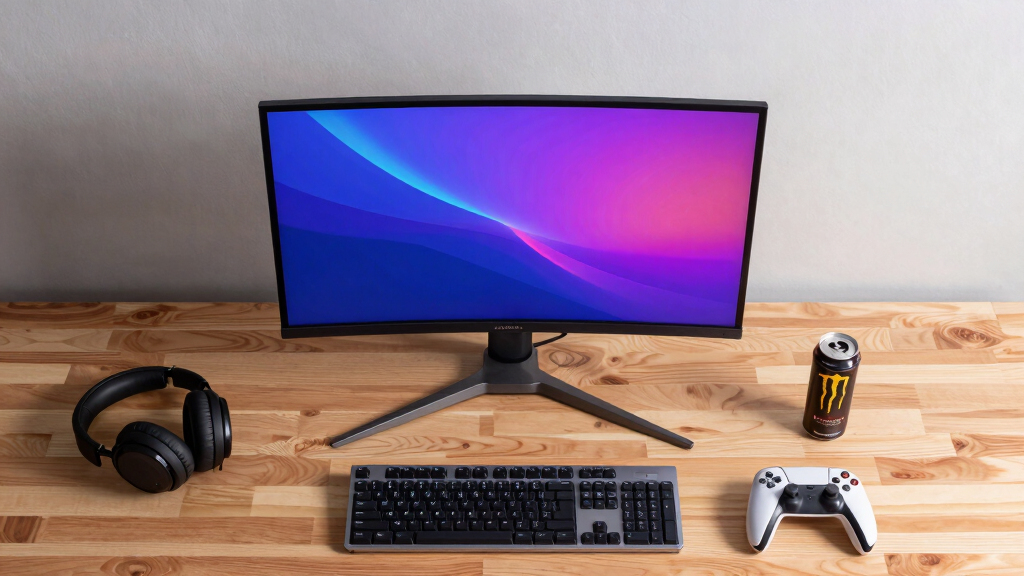
How We Picked
The monitors in this roundup were selected based on their performance, display quality, and gaming features. We prioritized models with high refresh rates (at least 144Hz), fast response times, and strong HDR support to ensure smooth, vibrant visuals. Usability factors such as ergonomic adjustments and connectivity options were also considered, along with build quality and reliability. Our rankings reflect a balance between performance, value, and features, making sure each product offers a distinct advantage for different types of gamers.Factors to Consider When Choosing Best OLED Gaming Monitors
Choosing the best OLED gaming monitor involves more than just pixel quality. Several factors influence how well a monitor will perform in your gaming setup, from speed and resolution to compatibility and ergonomic features. Understanding these key considerations can help you avoid common pitfalls like overpaying for features you don’t need or selecting a model incompatible with your hardware.Refresh Rate and Response Time
For fast-paced gaming, a high refresh rate (at least 144Hz, ideally 240Hz) is essential for smooth motion. Response times as low as 0.03ms reduce motion blur, giving you a competitive edge in shooter and racing titles. Be cautious of monitors that claim high refresh rates but have slower response times, which can cause ghosting or lag. Balancing both specs is key to enjoying fluid gameplay without artifacts.
HDR and Color Accuracy
OLED screens excel in delivering deep blacks and vibrant colors, especially when paired with high HDR standards like HDR10 and DisplayHDR TrueBlack 400. Look for models with broad DCI-P3 coverage—ideally 99% or higher—if color fidelity matters for your gaming or creative work. Beware of cheaper models with exaggerated HDR claims that don’t deliver true high dynamic range, leading to disappointing visual performance.
Connectivity and Compatibility
Most high-end OLED gaming monitors support HDMI 2.1 and DisplayPort 1.4, which are essential for 4K and high refresh rate gaming. Verify that your gaming hardware—PC GPU or console—matches these inputs to avoid bottlenecks. Additional features like USB hubs, audio out, and VESA mounting options add convenience but should not compromise core performance. Compatibility with G-SYNC and FreeSync should also align with your GPU for tear-free gaming.
Design, Ergonomics, and Price
Long gaming sessions demand comfortable ergonomics—look for adjustable stands with height, tilt, and swivel. Build quality varies, with premium models offering better durability and aesthetic appeal. OLED monitors tend to be more expensive, so consider your budget and whether features like curved screens or super-high resolutions justify the added cost. Sometimes, a slightly lower-spec model with better ergonomics offers a more comfortable experience.
Burn-in Risks and Longevity
OLED technology can suffer from burn-in if static images are displayed for prolonged periods. Many modern monitors incorporate safeguards like pixel shifting and screen savers, but it’s wise to choose models with good reviews on longevity. If you plan to use your monitor for hours daily or for mixed tasks, consider these features carefully. For casual gaming, burn-in risks are lower, but for heavy use, a monitor with strong safeguards is preferable.
Frequently Asked Questions
Is OLED better for gaming than LED or QLED monitors?
OLED monitors generally outperform LED and QLED screens in contrast, black levels, and color vibrancy, providing a more immersive gaming experience. However, they can be more prone to burn-in and are often pricier. If you prioritize picture quality and don’t mind the higher cost or potential longevity concerns, OLED is a superior choice. For budget-conscious gamers, high-quality QLEDs can offer many advantages at a lower price point.
Will I experience burn-in on an OLED gaming monitor?
Burn-in is a valid concern with OLED screens, especially if static images are displayed for extended periods. Modern OLED monitors incorporate features like pixel shifting and screensavers to mitigate this risk. For most gamers, especially those who vary their content and avoid static UI elements, burn-in is unlikely. Still, if your usage involves long periods of static images, choosing a monitor with good safeguards is wise.
Are 240Hz OLED monitors worth the extra cost?
High refresh rates like 240Hz provide smoother motion, which is particularly noticeable in fast-paced games. If you’re a competitive gamer or play titles that benefit from quick reactions, investing in a 240Hz OLED monitor can offer a tangible advantage. However, the additional cost may not be justified for casual gaming, where 144Hz or 165Hz models still deliver excellent performance at a lower price.
Can I use an OLED gaming monitor for creative work?
Yes, OLED monitors with high color accuracy and wide DCI-P3 coverage are suitable for creative tasks like photo and video editing. Their deep blacks and vibrant colors can help you see details more clearly. Keep in mind, however, that some creative professionals prefer monitors with higher resolutions or specific color calibration features. For gaming-focused models, check the color specs and calibration options carefully.
What’s the best size for an OLED gaming monitor?
Most gamers find 27 inches to be an ideal size, balancing immersion and desk space. Larger screens, like 34-inch ultrawides, can enhance immersion but may require more powerful hardware and more space. Smaller monitors, around 24 inches, are more budget-friendly and suitable for limited setups. Consider your desk size, viewing distance, and gaming preferences when selecting the size.
Conclusion
For most gamers, the Samsung Odyssey OLED G5 offers the best overall balance of performance, features, and price. Those seeking a high-performance, feature-rich experience may prefer the Acer Predator OLED for its ultra-fast response times and color accuracy. Budget-conscious buyers can find value in models like the AOC QD OLED, which still delivers impressive visuals. Newcomers will appreciate models with ergonomic features and straightforward setups, while enthusiasts aiming for cutting-edge tech should consider premium options like the Alienware 34 QD-OLED. Your choice depends on your priorities—whether it’s performance, price, or specific features. As an affiliate, we earn on qualifying purchases.Fall Picks
fall essentials