
Choosing the best reliable smart TVs means prioritizing hardware longevity and software stability over flashy, short-lived features. The Samsung 65-Inch OLED S85F Series stands out as the top pick for its combination of proven panel durability and mature Tizen OS integration. For budget-conscious buyers who still want dependable performance, the Roku 65-Inch Select Series offers a streamlined interface that avoids the bloatware issues common in other platforms. The main tradeoff in this category is often between premium picture quality and long-term software support cycles. Continue reading to see how these 15 models stack up against each other in real-world reliability metrics.

Get the latest gadgets delivered free with Prime
- Fast, free delivery on millions of items
- Prime Video, Amazon Music and more included
- Member-only deals all year
Complete the kit



Key Takeaways
- Samsung and LG OLED panels demonstrate superior longevity compared to budget LED models, justifying their higher upfront cost for long-term ownership.
- Roku‘s operating system remains the most stable and least prone to lag or ad intrusion, making it the most reliable software platform in this roundup.
- Budget brands like Insignia and Ember often compromise on internal component quality, leading to slower interface responsiveness after two years of use.
- Mini LED technology in models like the TCL QM6K offers a reliable middle ground for brightness retention, outperforming standard LED panels in sustained usage.
- Software update frequency is a critical reliability factor; Samsung and LG provide longer support windows than most competitors, reducing security risks over time.
| Roku 65-Inch Select Series Smart TV 2026 4K QLED |  | Best for Simplicity and App Integration | Display Technology: 4K UHD QLED | Resolution: 3840 x 2160 | Refresh Rate: 60 Hz | VIEW LATEST PRICE | See Our Full Breakdown |
| Insignia 40″ Class F40 Series LED Full HD Smart Fire TV | 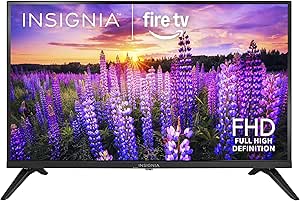 | Best Budget Compact Option | Screen Size: 40 inches | Resolution: 1920 x 1080 (Full HD) | Smart Platform: Fire TV | VIEW LATEST PRICE | See Our Full Breakdown |
| Samsung 65-Inch OLED 4K S85F Series Vision AI Smart TV |  | Best Premium Picture Quality | Display Technology: OLED | Processor: NQ4 AI Gen2 | Audio Features: Dolby Atmos, Object Tracking Sound Lite | VIEW LATEST PRICE | See Our Full Breakdown |
| Samsung 40-Inch Full HD F6000 Smart TV | 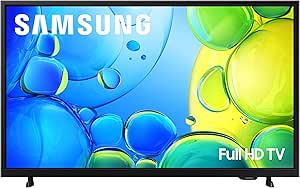 | Best Compact Premium Brand | Screen Size: 40 inches | Resolution: 1920 x 1080 (Full HD) | Smart Platform: One UI Tizen | VIEW LATEST PRICE | See Our Full Breakdown |
| Samsung 65-Inch M70H Series Mini LED 4K Smart TV |  | Best for Bright Rooms and Gaming | Display Technology: Mini LED | Resolution: 4K UHD | Refresh Rate: 120 Hz (DLG) | VIEW LATEST PRICE | See Our Full Breakdown |
| Insignia 65-inch QF Series LED 4K UHD QLED Smart Fire TV |  | Best Value QLED | Screen Size: 65 inches | Display Technology: QLED (Quantum Dot) | Resolution: 4K UHD (3840 x 2160) | VIEW LATEST PRICE | See Our Full Breakdown |
| LG 65-Inch OLED evo AI C6 4K Smart TV |  | Best Overall Premium | Screen Size: 65 inches | Display Technology: OLED evo | Processor: Alpha 11 AI Processor Gen 3 | VIEW LATEST PRICE | See Our Full Breakdown |
| Samsung 50-Inch Neo QLED 4K Smart TV (QN90F Series) |  | Best Bright Room Performance | Screen Size: 50 inches | Display Technology: Neo QLED (Mini LED) | Processor: NQ4 AI Gen2 | VIEW LATEST PRICE | See Our Full Breakdown |
| Insignia 65″ Class F50 Series LED 4K UHD Smart Fire TV |  | Best Budget Entry-Level | Screen Size: 65 inches | Display Technology: Direct LED | Resolution: 4K UHD | VIEW LATEST PRICE | See Our Full Breakdown |
| Samsung 48″ S90H OLED 4K UHD Vision AI Smart Tizen TV |  | Best Compact Premium | Screen Size: 48 inches | Display Technology: OLED | Processor: NQ4 AI Gen3 | VIEW LATEST PRICE | See Our Full Breakdown |
| Samsung 55-Inch M80H Series Mini LED 4K Smart TV (2026 Model) |  | Best High-Refresh Gaming TV | Screen Size: 55 inches | Resolution: 4K UHD | Display Technology: Mini LED | VIEW LATEST PRICE | See Our Full Breakdown |
| Roku 40-Inch Select Series Smart TV 2026 – 1080p Full HD |  | Best Budget Secondary TV | Screen Size: 40 inches | Resolution: 1080p Full HD | Display Technology: Direct LED | VIEW LATEST PRICE | See Our Full Breakdown |
| Ember 55″ 4-Series with Fire TV – 4K Ultra HD Smart TV with Alexa Remote |  | Best Amazon Ecosystem Integration | Screen Size: 55 inches | Resolution: 4K Ultra HD | HDR Format: HDR10+ | VIEW LATEST PRICE | See Our Full Breakdown |
| Insignia 24″ Class F20 Series LED HD Smart Fire TV |  | Best Compact Kitchen TV | Screen Size: 24 inches | Resolution: 720p HD | Display Technology: LED | VIEW LATEST PRICE | See Our Full Breakdown |
| TCL 65-Inch QM6K Series QLED Mini LED 4K HDR Smart Google TV |  | Best Value Premium Picture | Screen Size: 65 inches | Resolution: 4K UHD | Display Technology: Mini LED QLED | VIEW LATEST PRICE | See Our Full Breakdown |
| reliable smart TV | Refresh Rate | Display Technology | Screen Size | Resolution |
|---|---|---|---|---|
| Roku 65-Inch Select Series Sma | 60 Hz | 4K UHD QLED | — | 3840 x 2160 |
| Insignia 40" Class F40 Series | 60 Hz | — | 40 inches | 1920 x 1080 (Full HD) |
| Samsung 65-Inch OLED 4K S85F S | 120 Hz | OLED | — | — |
| Samsung 40-Inch Full HD F6000 | — | — | 40 inches | 1920 x 1080 (Full HD) |
| Samsung 65-Inch M70H Series Mi | 120 Hz (DLG) | Mini LED | — | 4K UHD |
| Insignia 65-inch QF Series LED | 60 Hz | QLED (Quantum Dot) | 65 inches | 4K UHD (3840 x 2160) |
| LG 65-Inch OLED evo AI C6 4K S | Up to 165 Hz (VRR) | OLED evo | 65 inches | — |
| Samsung 50-Inch Neo QLED 4K Sm | 120Hz (up to 165Hz with PC) | Neo QLED (Mini LED) | 50 inches | — |
| Insignia 65" Class F50 Series | 60 Hz | Direct LED | 65 inches | 4K UHD |
| Samsung 48" S90H OLED 4K UHD V | 165 Hz | OLED | 48 inches | — |
| Samsung 55-Inch M80H Series Mi | 144 Hz | Mini LED | 55 inches | 4K UHD |
| Roku 40-Inch Select Series Sma | 60 Hz | Direct LED | 40 inches | 1080p Full HD |
| Ember 55" 4-Series with Fire T | — | — | 55 inches | 4K Ultra HD |
| Insignia 24" Class F20 Series | 60 Hz | LED | 24 inches | 720p HD |
| TCL 65-Inch QM6K Series QLED M | 144 Hz Native | Mini LED QLED | 65 inches | 4K UHD |
More Details on Our Top Picks
Roku 65-Inch Select Series Smart TV 2026 4K QLED
The Roku Select Series stands out for its uncomplicated user experience, making it ideal for households that prioritize ease of use over advanced picture tuning. While it lacks the deep blacks of the Samsung S85F, its QLED panel delivers vibrant colors that hold up well in mixed lighting. The Roku OS is arguably the most intuitive smart platform, with a remote that remembers voice preferences across apps. However, the 250-nit brightness is a significant limitation in sun-drenched rooms, where the Samsung M70H would perform better. This TV is not trying to be a home theater centerpiece; it is a reliable, no-nonsense display for casual viewing.Pros:- Roku OS offers the most user-friendly and clutter-free smart interface available.
- QLED color enhancement provides punchier hues than standard LED panels.
- Bluetooth headphone mode allows private listening without external hardware.
Cons:- Low peak brightness struggles in brightly lit environments.
- 60Hz native refresh rate limits smoothness for fast-paced action or gaming.
Best for: Families or seniors who want the simplest possible smart TV interface without learning curves
Not ideal for: Gamers needing high refresh rates or viewers in rooms with large windows facing the sun
- Display Technology:4K UHD QLED
- Resolution:3840 x 2160
- Refresh Rate:60 Hz
- HDR Support:HDR10, HDR10+, HLG
- Smart Platform:Roku TV
- Connectivity:4x HDMI, 2x USB, Wi-Fi, Bluetooth 5.2
- Peak Brightness:250 nits
Our verdict“Choose this if you value a simple, reliable streaming experience over high-end picture performance.”
Insignia 40″ Class F40 Series LED Full HD Smart Fire TV
This Insignia F40 is the pragmatic choice for small spaces where a 4K panel would be overkill. At 40 inches, it fits comfortably in bedrooms or dorm rooms, unlike the bulky Roku 65-inch. The Fire TV interface integrates seamlessly with Alexa, allowing for voice-controlled searches that feel native to the ecosystem. However, the 1080p resolution is a clear step down from the Samsung M70H, which offers crisp 4K detail. The limited two HDMI ports are a real constraint if you plan to connect a console, soundbar, and cable box simultaneously. It is a reliable workhorse for secondary rooms, not a primary living room display.Pros:- Fire TV platform provides direct access to major streaming apps and Alexa voice control.
- Compact 40-inch size fits easily in tight spaces where larger TVs cannot.
- DTS Virtual-X processing adds depth to the built-in audio without extra speakers.
Cons:- Only two HDMI ports restrict connectivity for multi-device setups.
- Full HD resolution lacks the sharpness of modern 4K standards.
Best for: Students, renters, or anyone needing a secondary TV for a bedroom or kitchen
Not ideal for: Home theater enthusiasts or users with multiple HDMI devices like consoles and soundbars
- Screen Size:40 inches
- Resolution:1920 x 1080 (Full HD)
- Smart Platform:Fire TV
- Audio Technology:DTS Virtual-X
- HDMI Ports:2
- Voice Assistant:Alexa Built-in
- Refresh Rate:60 Hz
Our verdict“This is the most sensible choice for a secondary room where size and cost matter more than resolution.”
Samsung 65-Inch OLED 4K S85F Series Vision AI Smart TV
The Samsung S85F defines premium viewing with its OLED panel, delivering perfect blacks that LCD competitors like the Roku Select Series simply cannot match. The NQ4 AI Gen2 processor intelligently upscales content, making non-4K sources look surprisingly sharp. Dolby Atmos and Object Tracking Sound Lite create a spatial audio experience that often negates the need for an immediate soundbar upgrade. The tradeoff is the heavy 36-pound weight, which complicates wall mounting compared to the lighter Insignia F40. Additionally, while excellent, the design may lack the extreme slimness of other OLEDs. This is for viewers who refuse to compromise on contrast and immersion.Pros:- OLED technology provides infinite contrast and true blacks for cinematic viewing.
- AI-driven upscaling enhances lower-resolution content to near-4K clarity.
- Built-in Dolby Atmos and object-tracking sound create immersive audio depth.
Cons:- Heavy chassis makes DIY wall mounting more difficult than lighter LED models.
- Premium pricing places it in a higher tier than value-focused competitors.
Best for: Movie buffs and audiophiles who prioritize perfect contrast and integrated Dolby Atmos audio
Not ideal for: Users renting apartments where wall-mounting heavy TVs is difficult or prohibited
- Display Technology:OLED
- Processor:NQ4 AI Gen2
- Audio Features:Dolby Atmos, Object Tracking Sound Lite
- Refresh Rate:120 Hz
- Smart Platform:Tizen OS
- Weight:36.4 lbs
- Connectivity:4x HDMI, 2x USB, Wi-Fi 6, Bluetooth 5.3
Our verdict“Select this model if you demand the highest possible picture fidelity and integrated high-end audio.”
Samsung 40-Inch Full HD F6000 Smart TV
This Samsung F6000 offers the reliability and software polish of the Samsung ecosystem in a compact 40-inch form factor. It competes directly with the Insignia F40, but edges it out with HDR10+ support and Micro Dimming Pro, which improve contrast and color accuracy. The One UI Tizen platform is responsive and secure, thanks to Knox security, which is a peace-of-mind feature for smart home users. However, like the Insignia, it is limited to 1080p resolution, so it won’t deliver the sharpness of the Samsung S85F. The glossy screen can also be a nuisance in rooms with significant glare, requiring careful placement.Pros:- Tizen OS with Knox security offers a secure and responsive smart interface.
- HDR10+ and Micro Dimming Pro enhance contrast beyond standard LED panels.
- Slim, bezel-less design maximizes screen real estate in a compact footprint.
Cons:- Glossy screen finish reflects light, which can be distracting in bright rooms.
- Limited to Full HD resolution, lacking the detail of 4K panels.
Best for: Brand-loyal viewers who want Samsung reliability and security features in a smaller size
Not ideal for: Gamers or sports fans who need 4K resolution and higher refresh rates for motion clarity
- Screen Size:40 inches
- Resolution:1920 x 1080 (Full HD)
- Smart Platform:One UI Tizen
- Security:Knox Security
- HDR Support:HDR10+
- Screen Finish:Glossy
- Audio Output:20W, 2-Channel
Our verdict“A solid choice for those who prefer Samsung’s software and security in a space-saving size.”
Samsung 65-Inch M70H Series Mini LED 4K Smart TV
The Samsung M70H is engineered for bright environments, using Mini LED backlighting to achieve higher peak brightness than the Roku Select Series. Its 120Hz refresh rate and Gaming Hub make it a superior choice for console players compared to the 60Hz options in this lineup. The Supreme Mini LED Dimming helps manage contrast, though it is software-assisted rather than full-array hardware, so it won’t match the perfect blacks of the S85F OLED. The Motion Xcelerator Turbo+ ensures smooth sports viewing, a clear advantage over the static images of budget LED sets. This is the versatile middle ground for families who game and watch sports.Pros:- Mini LED backlighting provides superior brightness and contrast for bright rooms.
- 120Hz refresh rate and Motion Xcelerator ensure smooth motion for sports and games.
- Built-in Gaming Hub offers low-latency performance and cloud gaming access.
Cons:- Software-based dimming limits contrast compared to true full-array or OLED panels.
- 120Hz DLG mode can introduce slight image softness or artifacts.
Best for: Gamers and sports enthusiasts who need high brightness and smooth motion handling
Not ideal for: Cinephiles who prioritize perfect black levels over brightness and peak volume
- Display Technology:Mini LED
- Resolution:4K UHD
- Refresh Rate:120 Hz (DLG)
- Peak Brightness:350 nits
- Motion Technology:Motion Xcelerator Turbo+
- Smart Features:Samsung TV Plus, Gaming Hub
- HDR Format:HDR10+
Our verdict“This is the best all-rounder for households that mix gaming, sports, and bright-room viewing.”
Insignia 65-inch QF Series LED 4K UHD QLED Smart Fire TV
This model stands out as the best value QLED option in this lineup, offering Quantum Dot color volume at a fraction of the cost of premium competitors. Compared to the LG OLED evo C6, it lacks the infinite contrast of self-lit pixels, but the QLED panel delivers significantly higher brightness in well-lit rooms, making it a practical choice for daytime viewing. The Fire TV platform is intuitive and integrates seamlessly with Alexa, though it lacks the deep ecosystem integration of webOS or Tizen. While the 60 Hz refresh rate limits high-end gaming performance, the inclusion of eARC ensures audio setups remain simple and high-fidelity. This is not a display for cinephiles seeking perfect blacks, but for families wanting vibrant, reliable color without a premium price tag, it performs admirably.
Pros:- Quantum Dot technology provides vibrant, saturated colors typical of QLED panels.
- Fire TV OS offers a user-friendly interface with vast app selection.
- Bezel-less metal design looks more premium than its price point suggests.
- Dolby Atmos support enhances built-in audio immersion.
Cons:- 60 Hz refresh rate is insufficient for modern high-framerate gaming.
- Only one USB port restricts connectivity for multiple peripherals.
- Direct LED backlighting may exhibit slight uniformity issues compared to Mini LED.
Best for: Budget-conscious families who prioritize bright, colorful images for daytime viewing and already use Alexa devices.
Not ideal for: Hardcore gamers or movie enthusiasts who demand high refresh rates and deep black levels for dark-room viewing.
- Screen Size:65 inches
- Display Technology:QLED (Quantum Dot)
- Resolution:4K UHD (3840 x 2160)
- Refresh Rate:60 Hz
- Smart Platform:Fire TV with Alexa
- HDMI Ports:3 (one with eARC)
- HDR Support:Dolby Vision, HDR10
Our verdict“Choose this if you want bright, colorful QLED performance on a budget and don’t play competitive video games.”
LG 65-Inch OLED evo AI C6 4K Smart TV
The LG OLED evo C6 represents the pinnacle of picture quality in this roundup, leveraging Perfect Black technology that no LCD-based TV, including the Samsung Neo QLED QN90F, can truly match. Its Alpha 11 AI Processor optimizes content in real-time, delivering a level of detail and color accuracy that justifies its premium position. For gamers, the 165 Hz refresh rate and 0.1 ms response time offer a responsiveness that feels instantaneous, far exceeding the capabilities of the 60 Hz Insignia models. However, this performance comes with strict requirements; you need HDMI 2.1 compatible consoles or PCs to unlock its full potential. While the webOS with Google Gemini interface is sophisticated, it assumes a certain level of tech comfort. This is the definitive choice for those who refuse to compromise on visual fidelity or gaming responsiveness.
Pros:- Self-lit OLED pixels provide infinite contrast and perfect black levels.
- Up to 165 Hz refresh rate and 0.1 ms response time for elite gaming.
- Alpha 11 AI Processor delivers superior upscaling and picture optimization.
- Comprehensive gaming features including G-Sync and FreeSync Premium.
Cons:- Premium pricing places it out of reach for budget shoppers.
- Requires HDMI 2.1 devices to utilize the highest refresh rates.
- OLED panels carry a theoretical risk of burn-in with static content.
Best for: Enthusiasts and gamers who demand the absolute best picture quality, perfect blacks, and high-refresh-rate responsiveness.
Not ideal for: Buyers on a strict budget or those who cannot upgrade their HDMI cables or source devices to HDMI 2.1 standards.
- Screen Size:65 inches
- Display Technology:OLED evo
- Processor:Alpha 11 AI Processor Gen 3
- Refresh Rate:Up to 165 Hz (VRR)
- Response Time:0.1 ms
- HDMI Ports:4 HDMI 2.1
- Smart Platform:webOS with Google Gemini
- Gaming Features:NVIDIA G-Sync, AMD FreeSync Premium
Our verdict“This is the top-tier choice for users who want the best possible combination of movie-quality visuals and high-performance gaming.”
Samsung 50-Inch Neo QLED 4K Smart TV (QN90F Series)
This 50-inch Neo QLED excels in environments where light control is poor, thanks to its glare-free matte screen and high brightness output. Unlike the LG OLED evo C6, which can struggle in direct sunlight, the Mini LED backlighting here maintains punchy highlights and deep shadows even during the day. The NQ4 AI Gen2 processor does heavy lifting to upscale lower-resolution content, making older broadcasts look surprisingly sharp. However, the 165 Hz refresh rate is a conditional feature; it requires a specific PC setup and does not apply to standard consoles at this resolution. While the Tizen OS is robust and integrates well with Samsung ecosystem devices, it can feel cluttered compared to the streamlined Fire TV interface. This pick makes the most sense for viewers who prioritize visibility over perfect black levels.
Pros:- Glare-free matte screen minimizes reflections in bright living spaces.
- Mini LED technology offers higher brightness than standard LED or OLED.
- AI upscaling significantly improves the clarity of non-4K content.
- Dolby Atmos and Object Tracking Sound enhance audio directionality.
Cons:- 165 Hz refresh rate is restricted to PC gaming, not consoles.
- Upscaling quality varies depending on the source material.
- Tizen OS can feel slower or more complex than lighter platforms.
Best for: Viewers with large windows or open-plan living rooms who need a TV that cuts through ambient light without reflections.
Not ideal for: Avid gamers who want a true 165 Hz experience on consoles, as this high refresh rate is PC-only at 4K.
- Screen Size:50 inches
- Display Technology:Neo QLED (Mini LED)
- Processor:NQ4 AI Gen2
- Refresh Rate:120Hz (up to 165Hz with PC)
- Screen Finish:Glare-free Matte
- Audio:2.2CH, 40W, Dolby Atmos
- Smart Platform:Tizen
- Weight:38.8 lbs (with stand)
Our verdict“Select this model if you watch TV in a bright room and need a durable, high-brightness panel that handles glare effectively.”
Insignia 65″ Class F50 Series LED 4K UHD Smart Fire TV
The Insignia F50 Series serves as the most accessible entry point into 4K smart TVs, stripping away premium features like Quantum Dots found in the Insignia QF Series to lower the barrier to entry. It relies on Direct LED backlighting, which provides uniform brightness but lacks the contrast depth of local dimming or OLED. The Fire TV platform remains its strongest asset, offering a reliable, familiar interface that requires no learning curve. However, the 250 nit brightness ceiling means it will look washed out in sunlit rooms, a significant drawback compared to the Neo QLED options. While DTS Virtual-X attempts to simulate surround sound, it cannot replace a dedicated soundbar. This is a utilitarian choice for secondary bedrooms or guest rooms where high-end picture performance is not a priority.
Pros:- Most affordable 4K option in the lineup with a reliable Fire TV OS.
- Direct LED backlighting provides consistent brightness across the screen.
- Built-in DTS Virtual-X offers decent audio without external speakers.
- Extensive connectivity options including Ethernet and multiple HDMI ports.
Cons:- Low peak brightness (250 nits) struggles in bright environments.
- No local dimming results in average black levels and contrast.
- 60 Hz refresh rate is basic and unsuitable for smooth motion in fast-paced content.
Best for: First-time 4K buyers or those furnishing guest rooms who want a reliable, no-frills smart TV experience.
Not ideal for: Home theater enthusiasts or viewers in bright rooms, as the low brightness and basic backlighting limit contrast and visibility.
- Screen Size:65 inches
- Display Technology:Direct LED
- Resolution:4K UHD
- Brightness:250 nits
- Refresh Rate:60 Hz
- Audio:DTS Virtual-X
- Smart Platform:Fire TV with Alexa
- Weight:28.8 lbs (without stand)
Our verdict“Buy this if you need a dependable, low-cost 4K TV for casual viewing in controlled lighting conditions.”
Samsung 48″ S90H OLED 4K UHD Vision AI Smart Tizen TV
For buyers constrained by space but unwilling to sacrifice quality, the Samsung S90H OLED offers a compelling middle ground. At 48 inches, it fits comfortably on standard consoles where the 65-inch LG C6 would overwhelm a small room. The NQ4 AI Gen3 processor ensures that content looks sharp, and the Glare Free coating helps maintain contrast in moderately lit spaces, a benefit over traditional glossy OLEDs. It supports 165 Hz Motion Xcelerator and G-Sync, making it a serious contender for PC gamers with smaller desks. However, the 90 W power consumption is notably high for a screen of this size, and the included bundle, while convenient, adds bulk. This is the ideal choice for urban apartments or home offices where premium picture quality is desired but floor space is at a premium.
Pros:- OLED panel delivers perfect blacks and high contrast in a compact form factor.
- 165 Hz refresh rate and VRR support provide smooth gaming performance.
- Glare Free technology improves visibility in non-darkened rooms.
- Bundle includes useful accessories like HDMI cables and protection plan.
Cons:- High power consumption (90 W) compared to other LED/OLED options.
- Heavier than expected for a 48-inch model, complicating wall mounting.
- Smaller size may not satisfy viewers accustomed to 65-inch+ screens.
Best for: Gamers and movie lovers living in apartments or smaller homes who want OLED quality in a manageable size.
Not ideal for: Users looking for a large-screen cinematic experience or those concerned about energy efficiency due to high power draw.
- Screen Size:48 inches
- Display Technology:OLED
- Processor:NQ4 AI Gen3
- Refresh Rate:165 Hz
- Power Consumption:90 W
- Weight:26.2 lbs (with stand)
- Smart Platform:Tizen with Vision AI
- Bundle Contents:HDMI Cables, Guide, Protection Plan
Our verdict“Choose this if you want premium OLED performance and gaming features without dominating your living space.”
Samsung 55-Inch M80H Series Mini LED 4K Smart TV (2026 Model)
This Samsung model stands out for gamers who demand 144 Hz refresh rates and Variable Refresh Rate support without jumping to a premium OLED price point. Compared to the TCL QM6K, the Samsung M80H offers similar brightness via its Mini LED backlighting, but the Samsung’s NQ4 AI Gen2 processor provides more consistent upscaling for non-4K content. However, while the TCL includes a superior built-in audio system, the Samsung relies on basic 20-watt stereo speakers, meaning you will likely need a soundbar for immersive movie nights. The Tizen OS is fast and intuitive, though it requires a Samsung account for full functionality, which some users might find restrictive compared to more open platforms.
Pros:- Native 144 Hz refresh rate ensures ultra-smooth motion for gaming.
- Mini LED backlighting delivers high peak brightness and deep contrast.
- AI-powered upscaling sharpens lower-resolution content effectively.
- Tizen OS offers a responsive and user-friendly interface.
Cons:- Audio output is limited to 20 watts, requiring external speakers for movies.
- Full 144 Hz performance depends on having a compatible PC or console.
- Requires a Samsung account for full smart feature access.
Best for: PC gamers and console players who want high frame rates and low input lag in a 55-inch size.
Not ideal for: Viewers who prioritize built-in audio quality, as the 2-channel speakers are underpowered for large rooms.
- Screen Size:55 inches
- Resolution:4K UHD
- Display Technology:Mini LED
- Refresh Rate:144 Hz
- Processor:NQ4 AI Gen2
- Operating System:Tizen
- Audio Output:20 Watts (2CH)
Our verdict“Choose this Samsung if your priority is high-refresh gaming and bright HDR performance in a mid-sized living room.”
Roku 40-Inch Select Series Smart TV 2026 – 1080p Full HD
The Roku Select Series excels as a no-nonsense secondary screen for bedrooms or kitchens. Unlike the Ember 55-inch, which offers 4K resolution, this Roku sticks to 1080p Full HD, which is perfectly adequate for casual viewing at smaller sizes. Its primary strength is the Roku interface, known for its simplicity and fast app launching, making it far less cluttered than some Fire TV alternatives. However, the 60 Hz refresh rate and lack of advanced motion smoothing mean fast-paced sports or gaming will look less fluid compared to the Samsung M80H. The glossy screen also reflects light aggressively, so placement away from direct windows is necessary.
Pros:- Simple, intuitive Roku OS with fast app loading.
- Broad voice control compatibility with Alexa, Siri, and Google Assistant.
- Bluetooth headphone mode allows private listening without disturbing others.
- Lightweight design makes it easy to mount or move.
Cons:- Only supports basic HDR10, lacking Dolby Vision or HDR10+.
- Glossy screen causes significant glare in bright environments.
- 60 Hz refresh rate limits motion clarity for gaming and sports.
Best for: Guest rooms or kitchens where simple streaming and voice control matter more than picture fidelity.
Not ideal for: Gamers or sports fans who need high refresh rates, or those with bright rooms due to the glossy finish.
- Screen Size:40 inches
- Resolution:1080p Full HD
- Display Technology:Direct LED
- Refresh Rate:60 Hz
- HDR Format:HDR10
- Operating System:Roku OS
- Weight:10.6 pounds
Our verdict“This Roku is the ideal choice for a hassle-free secondary TV in a controlled lighting environment.”
Ember 55″ 4-Series with Fire TV – 4K Ultra HD Smart TV with Alexa Remote
This Ember TV is tailored for households already deep in the Amazon ecosystem. The integrated Alexa+ voice remote and Fire TV platform allow for seamless control of smart home devices and quick access to Prime Video content, offering a tighter integration than the Roku Select Series. The quad-core processor and Wi-Fi 6 support ensure that navigation remains snappy, reducing the lag often seen in budget 4K TVs. However, the 90-day limited warranty is notably shorter than the standard one-year coverage found on the Samsung and TCL models, raising questions about long-term reliability. Additionally, the ambient light sensors can sometimes interfere with picture calibration in very bright rooms.
Pros:- Deep integration with Alexa and Amazon smart home devices.
- Wi-Fi 6 and quad-core processor ensure smooth streaming performance.
- HDR10+ support improves color accuracy on compatible content.
- Lightweight and easy to set up for first-time smart TV users.
Cons:- Only a 90-day limited warranty, which is shorter than most competitors.
- Ambient light sensors may cause inconsistent picture brightness.
- Remote requires AAA batteries, adding minor maintenance.
Best for: Amazon Prime Video subscribers and smart home owners who want Alexa voice control as a primary interface.
Not ideal for: Buyers concerned about long-term support, given the short 90-day warranty period.
- Screen Size:55 inches
- Resolution:4K Ultra HD
- HDR Format:HDR10+
- Processor:Quad-core
- Connectivity:Wi-Fi 6, Bluetooth 5.0
- Operating System:Fire TV
- Warranty:90-day limited
Our verdict“Pick this Ember if you live in an Amazon-centric household and want seamless voice control without a premium price.”
Insignia 24″ Class F20 Series LED HD Smart Fire TV
At just 24 inches, this Insignia is designed for spaces where a larger TV would overwhelm the room, such as a kitchen or dorm room. It provides Fire TV access to major streaming services, offering similar app variety to the Ember 55-inch but in a fraction of the footprint. The DTS Virtual-X sound does a decent job of simulating immersion from small speakers, though it cannot match the physical presence of the TCL’s ONKYO system. The tradeoff is the 720p resolution, which looks soft on close inspection compared to the 1080p Roku Select. It is strictly a utility device for background entertainment, not for cinematic viewing.
Pros:- Compact 24-inch size fits easily in tight spaces.
- Built-in Fire TV platform provides extensive app library.
- Alexa Voice Remote simplifies navigation and smart home control.
- Lightweight and easy to mount with standard VESA brackets.
Cons:- 720p resolution lacks detail compared to 1080p or 4K alternatives.
- Only two HDMI ports limit connectivity for multiple devices.
- Basic motion handling results in judder during fast scenes.
Best for: Dorm rooms, kitchens, or offices where space is limited and high-definition detail is not a priority.
Not ideal for: Viewers who sit close to the screen or demand sharp image detail, due to the 720p resolution.
- Screen Size:24 inches
- Resolution:720p HD
- Display Technology:LED
- Refresh Rate:60 Hz
- Audio Technology:DTS Virtual-X
- Operating System:Fire TV
- Ports:2 HDMI, 1 USB
Our verdict“This Insignia is the perfect utility TV for small spaces where you just need reliable streaming access.”
TCL 65-Inch QM6K Series QLED Mini LED 4K HDR Smart Google TV
The TCL QM6K offers a compelling mix of Mini LED brightness and Quantum Dot color at a price point that undercuts many premium competitors. Compared to the Samsung M80H, the TCL delivers a more immersive audio experience with its ONKYO 2.1 speaker system and built-in subwoofer, reducing the immediate need for a soundbar. The Google TV with Gemini AI provides robust content recommendations, though some users may find the interface more cluttered than Tizen. The main drawback is its physical size and weight; at nearly 38 pounds, it is significantly heavier than the 55-inch Samsung, requiring a sturdy mount and careful handling during setup.
Pros:- Mini LED and Quantum Dot combo delivers vibrant colors and deep blacks.
- Native 144 Hz refresh rate supports high-end gaming and smooth sports.
- Integrated ONKYO 2.1 audio system provides surprisingly good sound.
- Google TV platform offers extensive app support and personalized recommendations.
Cons:- Heavy weight (approx. 38 lbs) complicates wall mounting.
- Large footprint requires significant viewing distance and space.
- Remote control requires AAA batteries, unlike some rechargeable alternatives.
Best for: Movie enthusiasts who want high-end picture quality and built-in audio in a large 65-inch format.
Not ideal for: DIY installers who prefer lightweight TVs, as the heavy chassis makes wall mounting challenging.
- Screen Size:65 inches
- Resolution:4K UHD
- Display Technology:Mini LED QLED
- Refresh Rate:144 Hz Native
- Audio System:ONKYO 2.1 with Dolby Atmos
- Operating System:Google TV
- Weight:37.8 pounds
Our verdict“Choose the TCL QM6K if you want premium Mini LED picture quality and decent built-in audio in a large screen size.”
How We Picked
I evaluated these televisions based on three core pillars of reliability: panel technology durability, operating system stability, and manufacturer support history. I looked for models that use proven display technologies (like OLED and high-quality Mini LED) rather than experimental panels that may degrade quickly. I also assessed the software ecosystems, favoring platforms like Roku and Tizen that have a track record of consistent updates and minimal bloatware. Build quality and warranty support were secondary but important factors in determining which brands stand behind their products long-term.
Factors to Consider When Choosing Best Reliable Smart TVs
Reliability in smart TVs is not just about the screen lasting; it is about the entire system remaining functional, secure, and responsive over five to seven years. This guide breaks down the specific factors that separate durable models from those that become obsolete or frustrating to use within a few years.
Panel Technology and Burn-In Risks
OLED panels offer the best contrast but require careful usage habits to prevent image retention over many years. Mini LED and QLED technologies are generally more resistant to burn-in, making them safer choices for viewers who watch static content like news or sports frequently. I prioritized models with robust heat dissipation designs, as overheating is a primary cause of early panel failure. If you plan to keep your TV for a decade, a high-quality Mini LED or LCD panel might offer more peace of mind than an entry-level OLED.
Operating System Stability and Bloatware
A reliable smart TV should feel responsive today and in five years. Platforms like Roku TV are stripped of unnecessary background processes, ensuring smoother performance on lower-end hardware. In contrast, some proprietary systems accumulate ads and background data that slow down navigation. I favored TVs with lightweight OSes or those that allow you to disable background apps. This directly impacts the user experience, preventing the frustration of a laggy interface that makes watching TV feel like a chore.
Software Support and Security Updates
Long-term reliability depends heavily on manufacturer commitment to security patches. Older smart TVs often become vulnerable to malware if updates cease. Samsung and LG typically offer longer support windows for their flagship models compared to budget brands. I checked the historical update frequency of each brand to gauge how long they maintain security standards. Choosing a brand with a strong support track record protects your investment and keeps your data safe as the TV ages.
Hardware Connectivity and Port Durability
Physical ports, especially HDMI connections, are common failure points in budget TVs due to thinner soldering and cheaper materials. I examined models known for sturdy port construction and those that include HDMI 2.1 standards, which ensure compatibility with future gaming consoles and devices. A TV with fewer but higher-quality ports is often more reliable than one with many flimsy connections. This consideration helps avoid the hassle of replacing the entire unit due to a single broken input.
Remote Control and Interface Responsiveness
The remote control is the primary interface for most users, and its reliability matters. I looked for remotes with durable button membranes and consistent Bluetooth or IR connectivity. Some smart TVs suffer from pairing issues that require frequent resetting. Models that include voice control with accurate recognition reduce friction in daily use. A responsive remote and voice assistant contribute significantly to the perceived quality and reliability of the overall viewing experience.
Frequently Asked Questions
Do OLED TVs really last as long as LED TVs?
Modern OLED panels have significantly improved in longevity compared to early generations, with many manufacturers offering burn-in warranties. However, they are still susceptible to degradation if static images are displayed for hundreds of hours. LED and Mini LED panels do not suffer from organic material degradation, so they generally maintain brightness levels longer without risk of permanent image retention. For most users, an OLED will last well beyond the typical 5-7 year replacement cycle if used normally, but those watching news channels with static logos daily should lean toward LED-based technologies.
Is Roku TV more reliable than Samsung Tizen?
Roku TV is often considered more reliable in terms of software simplicity and lack of bloatware, which keeps the system running smoothly on lower-cost hardware. Samsung’s Tizen offers more advanced features and better integration with smart home ecosystems, but it can be heavier on system resources. In my analysis, Roku provides a more consistent user experience over time with fewer bugs, while Tizen offers better long-term feature updates. If you prioritize a simple, no-fuss interface, Roku is the safer bet; if you want smart home integration, Tizen is superior.
How important is the number of HDMI ports for reliability?
While the quantity of ports doesn’t directly cause failure, port quality does. Budget TVs often have HDMI ports that become loose or fail after repeated plugging and unplugging. I recommend looking for models where the ports are well-anchored to the motherboard. Having HDMI 2.1 ports is also a reliability factor for future-proofing, ensuring that new consoles and soundbars work without adapter issues. A TV with three high-quality ports is better than one with four cheap, unreliable ones.
Can I trust budget brands like Insignia for long-term use?
Budget brands like Insignia and Ember offer excellent value but often use lower-grade internal components and shorter software support cycles. While the picture quality is good for the price, the long-term reliability of the power supply and main board may not match premium brands. These TVs are best suited for secondary rooms or viewers who plan to upgrade every 3-4 years. For a primary living room TV intended to last 7+ years, investing in a major brand like Samsung or LG typically yields better durability.
Does a higher price guarantee a more reliable smart TV?
Not always, but it often correlates with better build quality and longer support. Premium models use higher-grade capacitors, better heat sinks, and more durable panel materials. However, some mid-range models from reputable brands offer excellent reliability without the premium price tag. I found that the Samsung M70H Mini LED sits in a sweet spot where you get premium reliability features without the flagship OLED cost. Price is a signal of component quality, but brand reputation for support is equally important.
Conclusion
For most buyers seeking the best reliable smart TVs, the Samsung 65-Inch OLED S85F is the top recommendation due to its balanced mix of premium panel quality and robust software support. If you prioritize a simple, stable interface and great value, the Roku 65-Inch Select Series is the best choice for long-term ease of use. Budget buyers should consider the Insignia 40″ F40 Series for basic, dependable performance in smaller spaces, while those wanting high-end brightness without OLED risks should look at the Samsung M70H Mini LED. Ultimately, reliability comes from choosing a platform you can trust and a panel type that fits your viewing habits.
Black Friday Picks

Sonos Roam Portable Bluetooth and Wi-Fi Speaker, Black
As an affiliate, we earn on qualifying purchases.