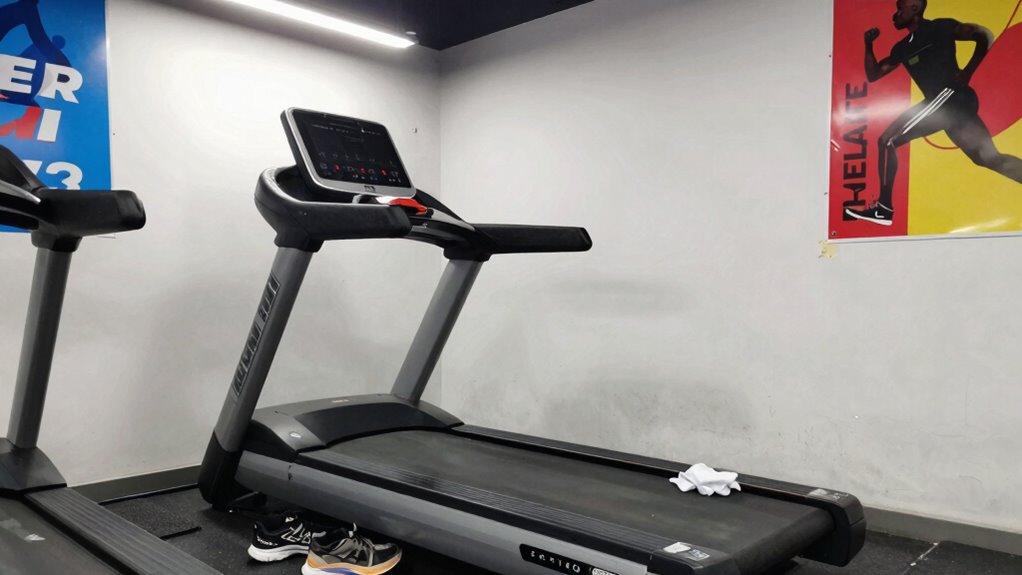

Many people buy gadgets expecting them to boost motivation and keep habits on track. But as initial excitement fades, daily use drops off, and the devices collect dust. Relying on external tools often weakens your internal drive and makes you dependent on prompts. True progress comes from cultivating mental discipline and internal motivation that stays strong even without gadgets. If you keep exploring, you’ll discover how to shift from external dependence to lasting self-motivation.
Get ready for Prime Big Deal Days — try Prime free
Exclusive member deals on October 6–7, plus fast free delivery. Cancel anytime.
As an affiliate, we earn on qualifying purchases.
Key Takeaways
- External motivation devices often lack integration into daily routines, leading to quick abandonment.
- Dependence on gadgets can weaken internal motivation and self-discipline over time.
- Initial excitement fades, and users stop using gadgets once external prompts lose effectiveness.
- True habit formation requires internal effort, making external tools insufficient for sustained change.
- Developing internal motivation and resilience is essential for long-term progress beyond gadget reliance.
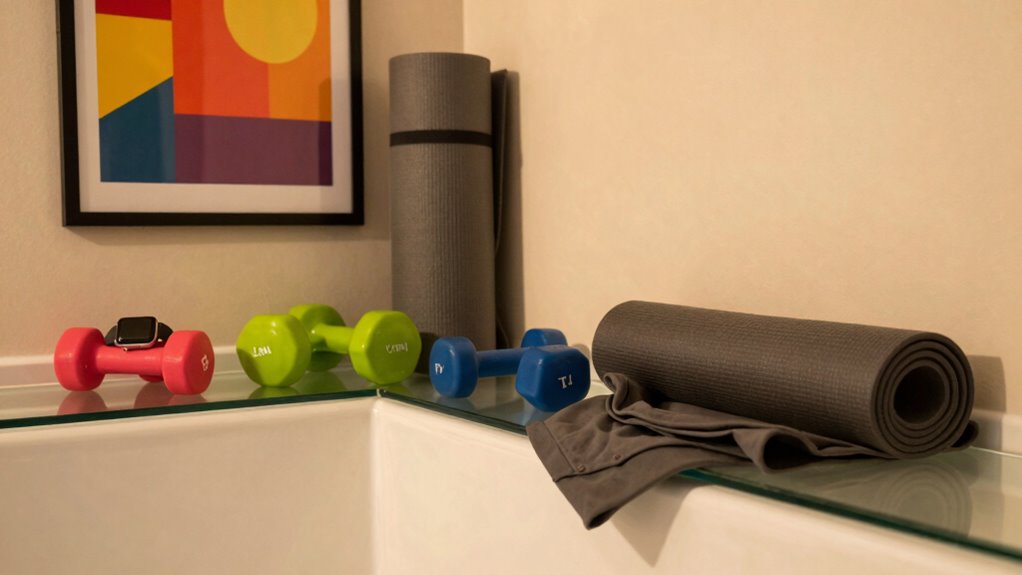
Many people buy motivational machines or gadgets with the best intentions, hoping they’ll spark productivity and focus. They believe that by incorporating these devices into their routines, they’ll create new habits that stick and push them toward their goals. But more often than not, these machines become just another item gathering dust on the shelf. You might start out excited, setting up the device and even trying to use it daily, but soon, motivation wanes. The initial enthusiasm fades, and the device is forgotten. This common cycle highlights how challenging habit formation truly is, especially when relying heavily on technology.
Relying on gadgets for motivation often leads to fleeting habits and forgotten devices, hindering true progress.
You see, habit formation isn’t just about having the right tools; it’s about consistency and integrating those tools into your daily life. When you depend too much on a machine to motivate you, you risk developing a form of technology dependency. You might find yourself waiting for the device to give you that extra push rather than cultivating your internal motivation. This dependency can weaken your ability to self-motivate, making you feel less empowered to act without the device. Over time, the machine becomes a crutch rather than a catalyst, and when it’s no longer available or working correctly, your progress stalls.
In the early days, you may notice that the gadget gives you a temporary boost, but long-term change requires more than just an external prompt. It demands effort to build habits that become automatic. When you rely solely on technology, you miss out on developing the mental discipline necessary for sustained progress. You might think that the device will do the work for you, but true motivation comes from within—an internal drive that’s cultivated through repeated actions, not just external triggers. Developing this internal drive involves cultivating self-awareness and understanding what truly motivates you at a deeper level. Without this internal foundation, your use of these machines risks being superficial, unable to produce lasting change.
Moreover, cultivating a sense of self-control through mindful practices and persistence can help you develop resilience against external distractions and dependencies. You might also find that fostering internal motivation is more effective in the long run than depending on external gadgets. When you focus on building lasting habits, you create a resilient mindset that can withstand setbacks and challenges. Eventually, you might realize that the most effective way to maintain momentum is to focus on cultivating habits through small, consistent actions. This approach reduces the reliance on external gadgets and encourages you to develop a sense of self-control. When you shift your focus from the device to your own internal motivation, you create a more resilient system for progress. The key isn’t in the machine itself but in your ability to sustain effort even when the device is out of reach. Building genuine habits takes patience, but it ultimately leads to greater independence from technology and a more meaningful, lasting motivation.
motivational journal for self-discipline
As an affiliate, we earn on qualifying purchases.
As an affiliate, we earn on qualifying purchases.
Frequently Asked Questions
What Types of Machines Are Most Commonly Purchased for Motivation?
You often buy fitness trackers and smart home gym equipment for motivation. These machines provide personalized feedback, helping you track progress and stay focused. Social engagement features, like sharing achievements or competing with friends, boost your motivation further. However, many stop using them over time because the initial excitement fades, making consistent engagement challenging. To stay motivated, find devices that offer continuous feedback and social support to keep you committed.
How Long Do People Typically Use These Motivational Machines?
You typically use motivational machines like fitness trackers for about three to six months, but habit formation varies. For example, Jane used her tracker daily for two months, then gradually stopped, highlighting declining user engagement. This pattern shows how initial motivation wanes without consistent habit formation. To sustain long-term use, you need ongoing engagement strategies that reinforce your motivation and support lasting habits.
Are There Specific Demographics More Likely to Abandon These Devices?
You’re more likely to see demographic disparities in usage abandonment with motivational devices. Younger users often lose interest faster, while older demographics tend to stick with them longer. Factors like tech familiarity, motivation levels, and lifestyle influence these patterns. Understanding these disparities helps you tailor strategies to boost sustained engagement, ensuring more consistent long-term use across all age groups and backgrounds.
What Psychological Factors Contribute to Stopping Their Use?
Psychological barriers like loss of motivation sustainability often cause you to stop using these devices. When initial enthusiasm fades, you might struggle with consistency or feel overwhelmed, undermining your progress. These mental blocks can make it hard to maintain focus or see immediate results, leading to disuse. Recognizing these psychological factors helps you develop strategies to stay committed, overcoming barriers and keeping motivation alive longer.
Can Continuous Motivation From Machines Lead to Long-Term Habit Formation?
Imagine a steady drip of motivation from your device, shaping your daily routines like water carving stone. Continuous motivation from machines can foster habit development, but only if it sparks intrinsic motivation within you. Over time, this internal drive solidifies, turning fleeting urges into lasting habits. Consistent, meaningful encouragement helps you internalize the motivation, transforming external prompts into self-sustaining routines that stick long after the device’s signals fade.
As an affiliate, we earn on qualifying purchases.
Conclusion
You might think that once you stop using your motivation machine, it’s useless, but that’s not true. Even if you pause, the momentum you’ve built can reignite your drive when you need it most. Remember, motivation isn’t about constant use; it’s about how you restart after setbacks. So, don’t let a break discourage you. Your machine is still there, ready to fuel your next push—sometimes, a pause is just what you need to come back stronger.
As an affiliate, we earn on qualifying purchases.
As an affiliate, we earn on qualifying purchases.
NFL season / tailgating Picks
team gear
As an affiliate, we earn on qualifying purchases.