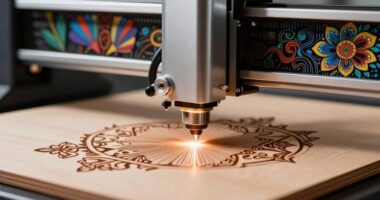
As a maker, you often buy new tools before fully understanding how they fit into your workflow because you’re drawn to innovation and the excitement of having the latest gadgets. This habit highlights a focus on novelty over process, which can disrupt your progress and create clutter. By prioritizing tools over systems, you might miss opportunities to improve ergonomics and efficiency. Stick around, and you’ll discover how focusing on workflow can transform your craftsmanship.

Get the latest gadgets delivered free with Prime
- Fast, free delivery on millions of items
- Prime Video, Amazon Music and more included
- Member-only deals all year
Key Takeaways
- Makers often chase novelty and excitement, prioritizing new tools over understanding existing workflows.
- Impulse purchasing driven by FOMO leads to accumulating tools before establishing efficient systems.
- Focus on new gadgets distracts from optimizing current tools and developing cohesive, ergonomic workflows.
- Lack of workflow awareness causes mismatched tools that don’t integrate well, prompting more purchases.
- Emphasizing tool ergonomics and process refinement prevents unnecessary tool acquisition and promotes sustainable progress.
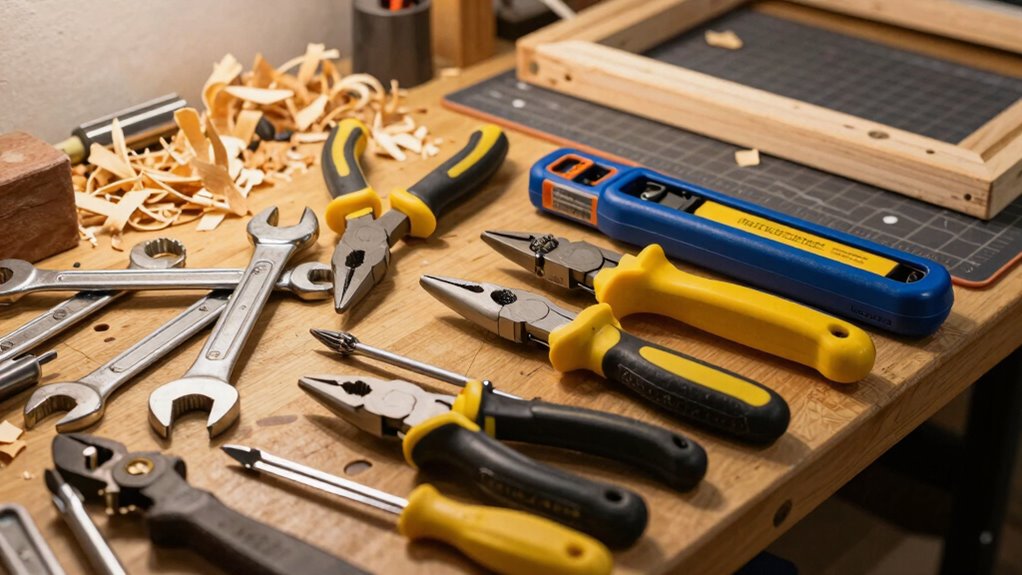
In today’s rapidly evolving creative landscape, makers rely on a diverse array of tools and systems to bring their ideas to life. You often find yourself purchasing new tools before fully understanding how to incorporate them into your crafting workflows. It’s a common pattern—buying the latest gadget or specialized instrument in hopes that it will elevate your projects, even if your current setup already works. This habit comes down to a mix of excitement for innovation and the belief that new equipment might unlock a level of efficiency or quality you haven’t yet achieved. But what’s overlooked in this rush is how crucial tool ergonomics is in the long run. When you focus on crafting workflows, you realize that the true challenge isn’t just having a collection of shiny tools; it’s making sure those tools fit comfortably into your process without causing fatigue or inefficiency.
By constantly chasing after new tools, you may inadvertently disrupt your existing workflows, which are often finely tuned through experience. Instead of optimizing your current setup, you shift your attention to what’s new, hoping it’ll magically solve lingering issues. This tendency stems from a desire for progress, but it can lead to clutter and confusion, making it harder to develop consistent, repeatable processes. You might buy a high-precision cutter, for example, only to find that it doesn’t integrate well with your other tools, forcing you to adjust your workflow rather than improve it. Over time, this cycle creates a distraction from honing skills and understanding how your tools work together. Recognizing the importance of tool ergonomics helps ensure that your investments contribute meaningfully to your craft, reducing unnecessary tool fatigue and improving overall efficiency.
Chasing new tools can disrupt your workflow and hinder skill development over time.
Investing in workflow optimization can lead to more sustainable progress, rather than chasing fleeting novelty. The smarter move would be to focus on mastering your existing tools, ensuring their ergonomics are suited to your hand and workflow. When tools are comfortable to use, you reduce strain and fatigue, which boosts both quality and speed. This way, you develop a more intuitive process, where every tool becomes an extension of your creative intent rather than a barrier. Moreover, investing time in understanding how to optimize your current system makes you more aware of what new tools truly add value, instead of just accumulating gear out of FOMO or the allure of innovation.
In the end, buying tools before you need systems isn’t just about saving money; it’s about building a foundation. When you prioritize crafting workflows and tool ergonomics, you create a sustainable, efficient process that naturally evolves over time. That’s when new tools become meaningful additions, not impulsive purchases. You gain clarity and confidence, knowing that your tools serve your process, rather than complicate it.
ergonomic woodworking hand tools
As an affiliate, we earn on qualifying purchases.
As an affiliate, we earn on qualifying purchases.
Frequently Asked Questions
How Do I Determine When I Actually Need a New System?
You’ll know you need a new system when your current tools no longer support your growth or efficiency. Watch for frequent workarounds, delays, or repeated errors—these are signs tool acquisition alone isn’t enough. When your team struggles to adapt or when manual processes become overwhelming, it’s time for system implementation. Don’t wait until chaos ensues; proactive upgrades guarantee smoother operations and help you stay ahead.
What Are the Signs I’M Overbuying Tools?
If you’re drowning in tools and feeling tool fatigue, you’re probably overbuying. Investment overload happens when you buy more tools than you truly need, often chasing the latest gadget instead of focusing on your system. Signs include unused equipment piling up and persistent clutter. Instead of endless purchases, assess what genuinely improves your workflow. Ironically, buying fewer tools can make your projects smoother and more enjoyable, saving you money and stress.
How Can I Prioritize Tools Over Systems Effectively?
You can prioritize tools over systems by focusing on tool longevity and how well they integrate into your existing workflow. Start with essential tools that address your immediate needs and guarantee they seamlessly fit into your current setup. Avoid buying new tools prematurely; instead, evaluate if they truly enhance your system. This approach helps you build a sustainable toolkit, reducing unnecessary purchases and optimizing your overall productivity.
Are There Affordable Options for Essential Systems?
You’ll find affordable options for essential systems that seem almost miraculous against your budget constraints. Focus on versatile tools that serve multiple purposes, saving you money while maximizing functionality. Look for open-source or free software, modular systems, or basic equipment that can scale with your needs. These options prove you don’t need to break the bank—smart choices make even the simplest systems powerful enough to support your creative endeavors.
What Mistakes Do Makers Commonly Make When Investing in Tools?
You often make the mistake of prioritizing flashy features over tool durability and brand reputation. This leads you to buy tools that break easily or don’t last, wasting money. Instead, focus on reputable brands known for durability. Investing in high-quality tools saves you money in the long run, even if they cost more upfront. Always check reviews and choose tools with proven reliability to guarantee your efforts aren’t hindered by poor quality.
As an affiliate, we earn on qualifying purchases.
Conclusion
You might think you’re just stocking up on tools, but in reality, you’re laying the foundation for a creative empire that could outlast empires themselves. Every tool you buy now is a brick in your future masterpieces, a gateway to opening endless innovation. Don’t wait for the perfect system—build your arsenal today and watch your projects soar higher than the tallest skyscrapers. The future of your making journey is limited only by the tools you gather now.
precision crafting tools for makers
As an affiliate, we earn on qualifying purchases.
As an affiliate, we earn on qualifying purchases.
As an affiliate, we earn on qualifying purchases.
Fall Picks
fall essentials
As an affiliate, we earn on qualifying purchases.