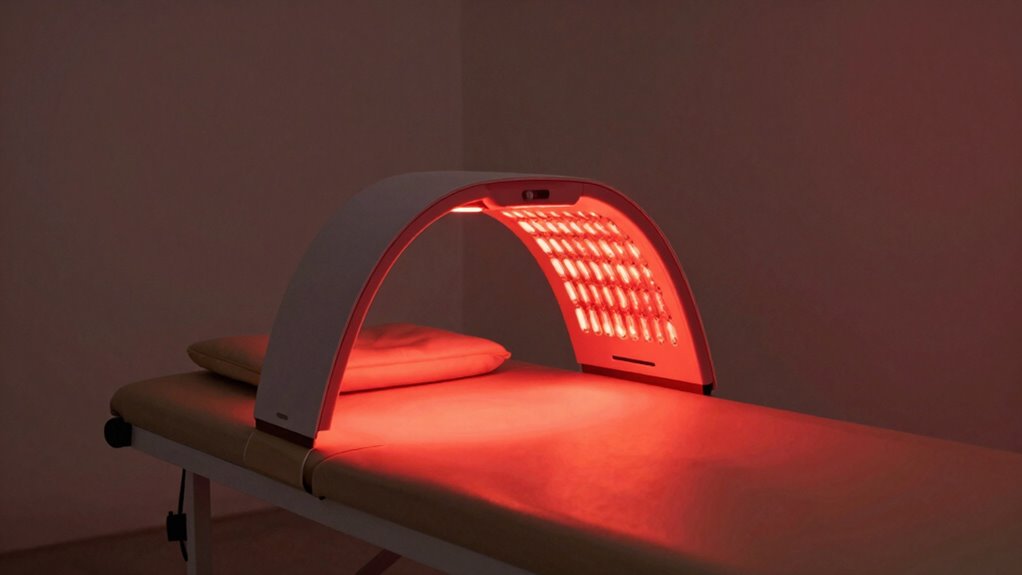

Red light devices can help boost collagen, improve skin texture, and reduce minor aches, but they cannot promise dramatic or overnight changes. They may result in a healthier glow or slight skin tightening over time, yet big transformations are rare. Also, they won’t fully eliminate deep wrinkles, scars, or chronic pain. For the best results, consistent use and proper expectations are key. To understand what these devices truly can and can’t do, keep exploring this topic further.

Get the latest gadgets delivered free with Prime
- Fast, free delivery on millions of items
- Prime Video, Amazon Music and more included
- Member-only deals all year
Key Takeaways
- Red light devices can promote collagen production and improve skin texture gradually but cannot guarantee dramatic or immediate results.
- They may reduce minor pain and inflammation but cannot fully eliminate chronic conditions or severe injuries.
- Results depend on proper use, consistency, and individual response; they are not guaranteed or instant.
- Devices support overall health and skincare but cannot replace medical treatments or address deep scars or wrinkles entirely.
- Ongoing research is necessary; devices are supplementary tools, not definitive cures for aging or pain.
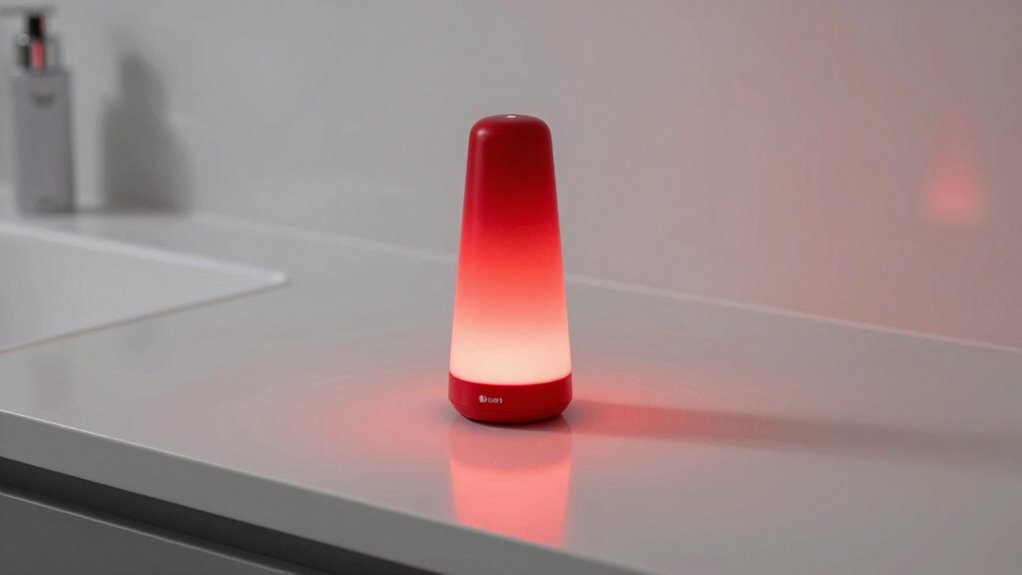
Red light devices have gained popularity for their claims to improve skin health, reduce inflammation, and boost overall well-being, but understanding their true potential requires a closer look at the science behind them. When it comes to skin rejuvenation, these devices can offer some benefits, but they’re not miracle cures. The light penetrates your skin to stimulate cellular activity, encouraging collagen production, which can help reduce fine lines and improve skin texture over time. But, it’s important to set realistic expectations. Results vary based on individual skin types, the device’s power, and consistency of use. Some users notice a healthier glow or slight tightening, but dramatic transformations are rare. If you’re seeking a quick fix for aging skin, red light therapy might not deliver the dramatic results you hope for, and it’s best viewed as a supplementary treatment rather than a standalone solution.
Regarding pain relief, red light therapy has shown more promising results. Many people find that regular sessions help diminish minor aches, muscle soreness, and joint discomfort. The light energy penetrates deep tissues, promoting blood flow and reducing inflammation, which can alleviate pain. Athletes, for instance, often use it to recover faster from intense workouts, and some individuals with chronic conditions like arthritis report decreased pain levels. However, these benefits aren’t guaranteed for everyone. While some experience noticeable relief, others might see only minimal improvements. It’s also worth noting that red light devices are not designed to treat serious injuries or chronic conditions holistically; they can complement traditional therapies but shouldn’t replace medical treatment. Additionally, the science supports their use as part of a broader health and skincare routine, emphasizing the importance of understanding the science behind them. As research continues to evolve, it’s essential to stay informed about how the light interacts with tissues to make educated decisions about their use. Furthermore, ongoing studies are exploring the long-term effects of consistent red light therapy, which may influence future recommendations. Staying well-informed about metaphysical topics can also help users understand the broader context of alternative health approaches, including red light therapy. Moreover, understanding the limitations of current research helps set realistic expectations and encourages cautious optimism.
Despite these potential benefits, red light devices have limitations. They cannot promise overnight results or completely eliminate signs of aging or pain. The science supports their use as part of a broader health and skincare routine, but they shouldn’t be relied upon as a cure-all. The effectiveness depends heavily on proper usage, consistent sessions, and individual response. For skin rejuvenation, they can help enhance your skin’s appearance gradually, but they won’t erase deep wrinkles or scars entirely. For pain relief, they offer some comfort, especially for minor discomfort, but won’t replace medication or physical therapy for serious issues. Ultimately, these devices are tools that can support your health and beauty goals, but understanding their realistic capabilities helps you use them wisely and manage expectations.
red light therapy device for skin rejuvenation
As an affiliate, we earn on qualifying purchases.
As an affiliate, we earn on qualifying purchases.
Frequently Asked Questions
Are Red Light Devices Safe for All Skin Types?
Red light devices are generally safe for most skin types, but you should consider skin sensitivity and device compatibility. If you have sensitive skin, start with shorter sessions and observe how your skin reacts. Check the device specifications to verify it’s suitable for your skin type. Always follow the manufacturer’s instructions, and if you experience irritation, consult a dermatologist. Proper use helps minimize risks and maximize benefits.
How Long Does It Take to See Results?
You’ll likely start noticing results in 4 to 6 weeks, but it varies based on your skin absorption and how consistently you use the device. Don’t worry if progress seems slow at first—red light therapy isn’t instant. Keep using the device regularly, and you’ll see improvements over time. Remember, durability matters—choose a device that maintains effectiveness with frequent use for the best results.
Can Red Light Therapy Replace Medical Treatments?
Red light therapy cannot replace medical treatments because its cosmetic claims lack strong scientific evidence for serious health conditions. While it may improve skin appearance or reduce inflammation, you shouldn’t rely on it as a primary treatment for medical issues. Always consult a healthcare professional for medical concerns, as red light devices are best viewed as complementary tools rather than substitutes for proven medical interventions.
Are There Any Side Effects or Risks?
Imagine someone with sensitive skin using a red light device and experiencing mild irritation—this highlights potential side effects. Generally, red light therapy is safe, but device limitations mean risks can include eye strain or skin reactions if used improperly. Be cautious of false claims about its safety; always follow manufacturer guidelines. Consult a healthcare professional if you notice adverse effects, as individual responses vary and risks aren’t completely eliminated.
Do Red Light Devices Work Without Professional Supervision?
Red light devices can work without professional supervision for home use, but it’s important to follow the manufacturer’s instructions carefully. While you don’t need a professional’s guidance for safe application, consulting a healthcare provider before starting treatment is wise, especially if you have underlying health conditions. Proper usage guarantees safety and effectiveness, so always prioritize your health and adhere to recommended protocols for maximum results.
red light therapy for muscle pain relief
As an affiliate, we earn on qualifying purchases.
As an affiliate, we earn on qualifying purchases.
Conclusion
So, while red light devices claim to transform your skin or boost your health, don’t buy into every promise. It’s ironic how they promise miracles with just a simple light, yet often deliver only modest results. You might think you’re investing in a miracle cure, but sometimes, all you get is a gentle glow. Remember, real change takes time, effort, and realistic expectations—red light isn’t a magic wand, just a tool.
collagen boosting red light device
As an affiliate, we earn on qualifying purchases.
As an affiliate, we earn on qualifying purchases.
red light therapy for minor aches
As an affiliate, we earn on qualifying purchases.
As an affiliate, we earn on qualifying purchases.
Fall Picks
fall essentials
As an affiliate, we earn on qualifying purchases.