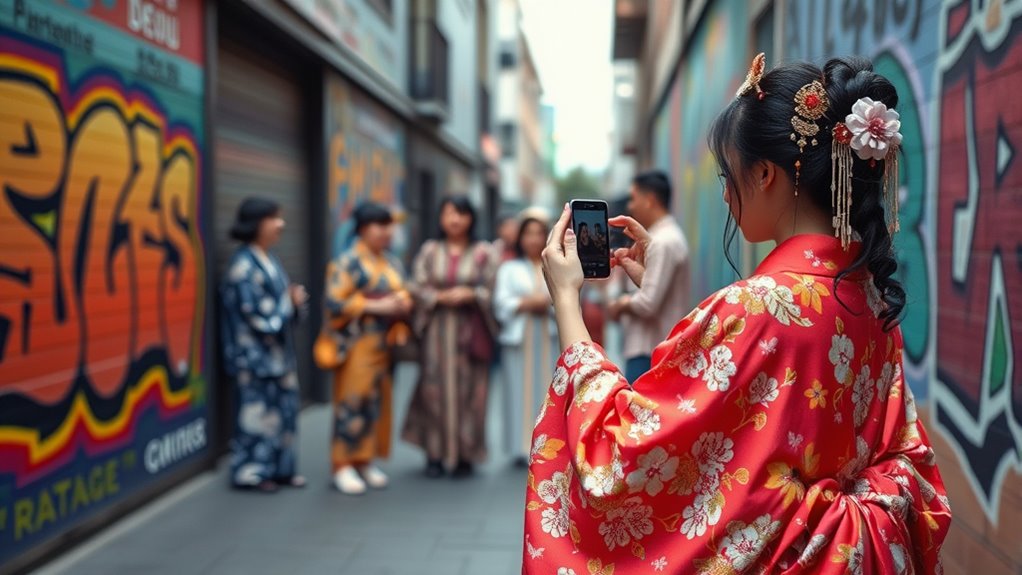

In the digital age, understanding the difference between cultural appropriation and appreciation is key. When you respect the origins and significance of cultural elements, you’re practicing appreciation—sharing ideas thoughtfully and giving credit. However, if you take symbols without understanding or exploit them for personal gain, that’s appropriation, which can harm communities. To navigate this wisely, you need to be mindful, respectful, and open to learning more about the cultures you engage with.
Key Takeaways
- Cultural appreciation involves respectful learning and acknowledgment of the origin and significance of cultural elements.
- Appropriation often entails using cultural symbols without understanding or respecting their meaning, risking misrepresentation.
- Digital sharing amplifies both appreciation and appropriation, making awareness of context crucial online.
- Engaging with marginalized voices and researching origins helps differentiate respectful admiration from disrespectful appropriation.
- Being mindful of cultural significance prevents trivialization, stereotypes, and the commodification of cultural symbols.

Cultural exchange can enrich our understanding and appreciation of different traditions, but it can also lead to misunderstandings and harm when boundaries are crossed. In the digital age, where images, ideas, and trends spread instantly, this delicate balance becomes even more critical. When you encounter a cultural practice or symbol online, it’s essential to approach it with cultural sensitivity. Recognize that what might seem like harmless inspiration or admiration can actually be a form of cultural appropriation if it dismisses the deeper significance or origins of that tradition. Instead of simply admiring what you see, ask yourself about its context and meaning within the culture it belongs to. This awareness helps you avoid unintentionally disrespecting or trivializing another group’s heritage.
Approach cultural symbols online with sensitivity to respect their true meaning and origins.
At the same time, cultural sensitivity doesn’t mean you have to avoid engaging with or being inspired by different traditions. Artistic inspiration often draws from diverse sources, and when done thoughtfully, it can foster appreciation rather than appropriation. By actively learning about the history and significance behind cultural elements, you can find respectful ways to incorporate them into your own creative expression. For example, if a particular pattern, garment, or practice resonates with you, research its origins and significance. Seek out voices from that culture to understand how to honor their traditions instead of superficially borrowing symbols without understanding their importance. This approach not only enriches your work but also demonstrates respect for the culture’s integrity.
In the digital space, it’s easy to forget that behind every image or trend, there’s a person or community with a story. When you share or adapt cultural elements, consider the impact on those who hold that tradition dear. Are you giving credit where it’s due? Are you avoiding stereotypes or caricatures? Being mindful of these questions enhances your cultural sensitivity and helps prevent harm. Artistic inspiration should elevate and celebrate diversity, not commodify or distort it. When you approach cultural exchange with genuine respect and curiosity, you foster connections that are meaningful and enriching for everyone involved. Recognizing the importance of cultural context can greatly improve how we engage with diverse traditions and symbols.
Ultimately, charting the line between cultural appropriation and appreciation requires awareness and humility. Embrace learning, listen to marginalized voices, and be willing to adjust your perspective. By doing so, you turn cultural interactions into opportunities for growth and mutual understanding, rather than sources of conflict or offense. Remember, the goal is to celebrate the beauty of different traditions without erasing their significance or reducing them to mere trends. When you act with cultural sensitivity, you contribute to a more respectful and inclusive digital world.
Frequently Asked Questions
How Can Individuals Educate Themselves About Cultural Contexts?
You can educate yourself about cultural contexts by actively seeking resources on cultural sensitivity and historical awareness. Read books, watch documentaries, and follow reputable voices from the communities you’re interested in. Engage in conversations and ask respectful questions to deepen your understanding. Avoid stereotypes, and be open to feedback. This approach helps you appreciate cultures genuinely while respecting their significance and avoiding harmful appropriations.
What Role Do Social Media Platforms Play in Cultural Exchanges?
Like a modern-day Pandora’s box, social media platforms fuel cultural exchanges through viral trends and influencer impact. You can quickly learn and share diverse traditions, but it’s a double-edged sword. While you spread appreciation, you risk perpetuating stereotypes or cultural insensitivity. Staying mindful and respectful helps you navigate these digital spaces, ensuring your engagement fosters genuine understanding instead of superficial trend-chasing.
How Do Legal Considerations Impact Cultural Expression Online?
Legal considerations, like intellectual property rights and online licensing, substantially impact your cultural expression online. You need to respect copyright laws when sharing or remixing cultural content, ensuring you’re not infringing on someone’s intellectual property. By understanding online licensing agreements, you can legally use cultural materials, avoid disputes, and promote respectful appreciation. Staying informed about these laws helps you express cultural elements responsibly while protecting creators’ rights.
Can Cultural Appreciation Lead to Economic Benefits for Communities?
Yes, cultural appreciation can lead to economic benefits for communities. When you support authentic cultural expressions, you promote cultural authenticity, which attracts consumers interested in genuine experiences. This can foster economic empowerment by creating opportunities for local artisans, entrepreneurs, and performers. By valuing and sharing cultural traditions respectfully, you help maintain communities financially and ensure their cultural heritage thrives in the digital age.
How Do Cultural Stereotypes Influence Perceptions of Appropriation?
You see how cultural stereotypes influence perceptions of appropriation by reinforcing biases and shaping assumptions. When you rely on stereotypes, you perpetuate bias, making it seem like cultural elements are mere costumes or trends rather than meaningful expressions. This stereotype reinforcement distorts understanding and reduces rich traditions to superficial symbols. To avoid this, you should endeavor to appreciate cultures authentically, recognizing their depth and significance beyond surface-level stereotypes.
Conclusion
As you navigate the digital landscape, it’s no coincidence that your intentions matter just as much as the impact of your actions. When you genuinely seek understanding and respect, appreciation naturally follows, often leading to unexpected connections. Remember, what starts as a simple gesture can unexpectedly deepen your awareness of a culture’s richness. So, stay mindful—sometimes, the line between appropriation and appreciation blurs, reminding you that genuine respect can turn coincidence into meaningful connection.