A smart home maintenance stack combines pool robots, leak sensors, and alert systems to keep your home clean, safe, and efficient. Pool robots automate debris removal, saving you time, while leak sensors detect water issues early to prevent damage. Alert systems notify you instantly of any problems, allowing quick response. When these devices are integrated, your home runs smoothly with minimal effort. Keep exploring to discover how these smart tools can transform your home maintenance routine.
Key Takeaways
- Integrate pool robots with smart home systems via Wi-Fi or protocols like Zigbee or Z-Wave for seamless control and monitoring.
- Use leak sensors placed near plumbing and appliances to detect water issues early and prevent costly damage.
- Connect leak sensors and pool robots to alert systems for instant notifications through phones, emails, or smart hubs.
- Automate maintenance schedules for pool robots and leak detection checks based on weather or usage patterns.
- Regularly update firmware and calibrate sensors to optimize device performance and energy efficiency within the home maintenance tech stack.
What Is Home Maintenance Tech and Why Does It Matter?
Have you ever wondered how technology is transforming the way you maintain your home? Home maintenance tech includes tools like smart home integration and maintenance automation that make your life easier. Smart home systems connect devices such as thermostats, security cameras, and lights, allowing you to control everything from your phone. Maintenance automation takes this further by scheduling tasks like filter changes or leak checks automatically, so you don’t have to remember. These innovations help prevent problems before they become costly repairs. They also save you time and reduce stress, giving you peace of mind. Incorporating whole-home water system efficiency and air quality benefits can further enhance your home maintenance approach by promoting sustainability and durability. Additionally, understanding HRV insights can help optimize your home’s ventilation for better health and comfort. Embracing home maintenance tech means staying ahead, protecting your investment, and enjoying a more comfortable living environment. Innovations like leak sensors and alert systems demonstrate how proactive monitoring can prevent significant damage and reduce emergency repairs.
How Pool Robots Make Pool Cleaning Easier

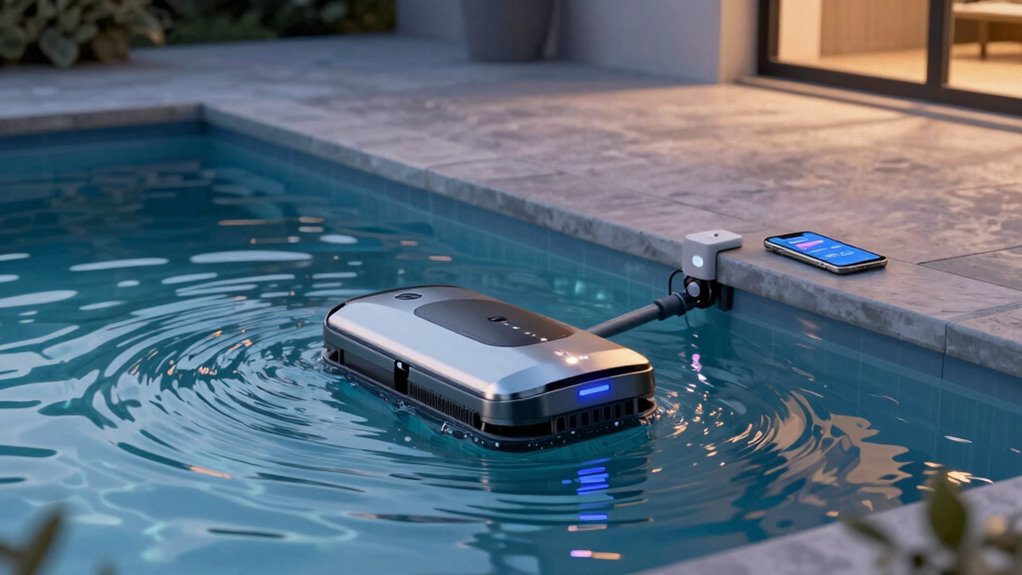
Pool robots automate the cleaning process, making it more efficient and thorough without much effort from you. They save you time by quickly covering the entire pool surface and removing debris automatically. With a pool robot, you get cleaner water and more free time to enjoy it. Additionally, integrating smart pool automation devices can further optimize your pool maintenance routine for a truly hands-free experience. Understanding water chemistry and proper maintenance practices can also help extend the life of your equipment and ensure safe, healthy swimming conditions. The effectiveness of pool robots can be enhanced by understanding projector technology, which shares similarities in optimizing performance and image quality. Proper installation and cabling techniques are essential to ensure your pool equipment operates reliably and safely, just as with projector setups. Implementing security tips like monitoring your pool area can prevent unauthorized access and enhance safety.
Automated Cleaning Efficiency
Ever wondered how modern pool robots revolutionize the cleaning process? They use automated cleaning to greatly enhance efficiency, saving you time and effort. These robots scan the pool’s surface and bottom, targeting dirt and debris with precision. Their smart navigation systems optimize coverage, reducing missed spots. Features like programmable schedules ensure consistent cleaning without manual input. You’ll notice a cleaner pool with less effort, as robots adapt to changing debris levels and pool shapes. Additionally, some models incorporate accessibility features that make operation easier for everyone. Advanced sensors and navigation technology further improve the robots’ ability to adapt to various pool types and conditions, ensuring comprehensive cleaning. Many models also include battery capacity and runtime considerations to meet different pool sizes and cleaning frequencies, helping you select the most suitable option. The integration of smart technology allows these robots to connect with mobile apps for real-time monitoring and control, adding another layer of convenience. Key benefits include:
- Targeted debris removal for thorough cleaning
- Reduced manual labor and oversight
- Adaptive navigation for complex pool layouts
- Consistent cleaning schedules
- Enhanced overall efficiency improvement
Time-Saving Convenience
Thanks to advanced automation, pool robots considerably cut down the time you spend on cleaning. Instead of manual scrubbing, you set your robot to work, freeing you for other tasks. This technology seamlessly integrates into your home maintenance routine, similar to smart gardening tools or security monitoring systems that automate tasks and save time. Incorporating natural filtration systems can further enhance eco-friendly pool maintenance and water quality. Additionally, modern pool equipment often features integrated sensor technology, which helps detect issues early and optimize performance.
| Task | Time Saved | Benefit |
|---|---|---|
| Pool cleaning | Hours per week | More leisure time |
| Smart gardening | Less frequent watering | Healthier plants, less effort |
| Security alerts | Instant notifications | Peace of mind |
With these tools, your home becomes more efficient, giving you more time to enjoy your pool and outdoor spaces.
Why Leak Sensors Are Key to Preventing Water Damage

Have you considered how quickly water damage can escalate once a leak starts? Leak sensors are essential for catching water intrusion early, preventing costly repairs and safeguarding plumbing safety. They alert you immediately when a leak is detected, allowing swift action before water causes structural damage or mold growth. These sensors can be placed near appliances, under sinks, or along pipes — areas prone to leaks. By catching leaks early, you reduce the risk of extensive water damage and protect your home’s integrity. Regular maintenance and understanding water damage risks can further enhance your home’s protection measures. Additionally, being aware of air fryer accessories and their proper use can help prevent appliance malfunctions that might lead to leaks or water damage in the kitchen. They also help monitor the health of your plumbing system, alerting you to potential problems before they become emergencies. Proper placement and integration with your home’s alert system make leak sensors a crucial component of an effective home maintenance tech stack. Using proper installation techniques can maximize their effectiveness and ensure reliable alerts. For example, understanding electric power generation can help you choose the right sensors that operate efficiently with your home’s energy setup. Additionally, integrating leak sensors with smart home systems can provide comprehensive monitoring and control, enhancing overall home safety.
Choosing the Best Alert Systems for Your Home

Selecting the right alert system for your home means choosing technology that reliably notifies you of issues before they turn into costly problems. Look for smart home security features that integrate seamlessly with your existing systems, providing instant alerts on your phone or connected devices. Prioritize systems that emphasize energy efficiency, minimizing power consumption while maintaining performance. The best alert systems offer customizable notifications for water leaks, unauthorized access, or environmental changes, helping you respond quickly. They also enhance your home’s safety by providing real-time updates, reducing false alarms, and integrating with other smart devices. Choose systems that are easy to install and manage, ensuring you stay informed without unnecessary complexity. An effective alert system increases security, saves energy, and keeps your home protected around the clock. Incorporating digital monitoring tools can further streamline your home maintenance routine and prevent issues before they escalate. Paying attention to home technology trends can help you select the most innovative and reliable solutions for your needs, especially considering how 16PF and other assessments can provide insights into individual behaviors that might influence your home management style.
How to Integrate Pool Robots, Leak Sensors, and Alerts
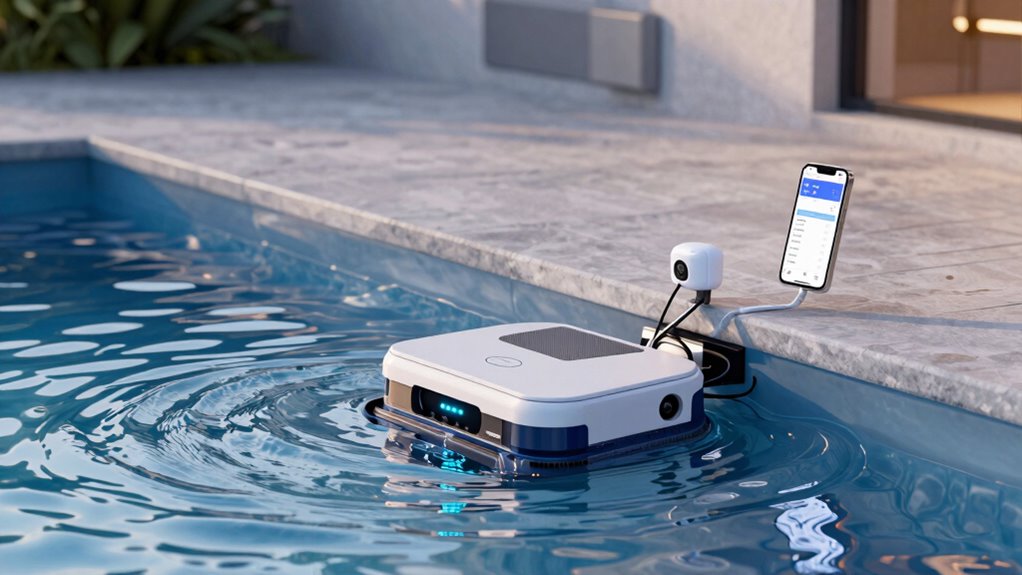
To get the most out of your pool robots, leak sensors, and alerts, you need to sync your devices smoothly with your existing home system. Once connected, set up alert rules that notify you of issues or maintenance needs right away. Automating routine tasks helps keep your pool in top shape with minimal effort.
Sync Devices Seamlessly
Seamlessly syncing your smart devices guarantees your home maintenance system runs smoothly and efficiently. Achieving effective system synchronization relies on device interoperability, guaranteeing all components communicate without issues. To optimize integration:
- Use a central hub or smart home platform compatible with your devices
- Confirm all devices support common protocols like Zigbee or Z-Wave
- Regularly update firmware to maintain system compatibility
- Enable cloud-based synchronization for remote access and control
- Test each device’s connection to verify smooth data exchange and responsiveness
These steps help you create a unified system where pool robots, leak sensors, and alerts work together seamlessly. Proper synchronization reduces conflicts and ensures your home maintenance tech stack operates as an integrated, reliable network.
Set Up Alert Rules
Setting up alert rules is essential for ensuring you’re promptly notified about important events from your smart devices. To do this effectively, you need to define trigger conditions that specify when alerts should activate—like detecting a leak or when the pool robot finishes its cycle. Customizing notifications allows you to choose how and where you receive alerts, whether through your phone, email, or smart home hub. Be specific with your trigger conditions to avoid false alarms, and tailor notification settings so they’re meaningful and timely. This way, you stay informed about your pool’s status or potential issues without being overwhelmed by unnecessary alerts. Clear alert rules help you respond quickly, maintaining your home’s safety and efficiency.
Automate Maintenance Tasks
Ever wondered how to make your home maintenance smarter and more efficient? Automating tasks with your smart devices can save you time and effort. By integrating pool robots, leak sensors, and alerts, you can streamline routine maintenance. For example, use robot assisted gardening tools to tend your plants automatically or set up smart pest control to handle intruders without manual intervention. Automate water level checks with leak sensors to prevent costly damage. Connecting these devices with a centralized system allows you to schedule or trigger tasks remotely.
- Schedule pool cleaning and maintenance routines
- Automate watering and garden care
- Activate pest control when pests are detected
- Set leak alerts for early damage prevention
- Sync devices for seamless, hands-free operation
Top Features to Look for in Home Maintenance Devices

When choosing home maintenance devices, focusing on features that enhance ease of use, reliability, and versatility is essential. Look for devices that simplify tasks like garden irrigation, ensuring they can be scheduled or controlled remotely. Reliable sensors and automated controls prevent overwatering or underwatering, saving you time and resources. For smart lighting, opt for systems that allow easy customization and integration with other smart home devices, enhancing convenience and energy efficiency. Versatile devices that support multiple functions—like combined leak sensors and alerts—are especially valuable. Prioritize user-friendly interfaces, durable components, and compatibility with your existing smart home ecosystem. These features help you maintain your home efficiently while reducing manual effort and potential issues.
Setting Up and Optimizing Your Smart Home Maintenance System

Once you’ve selected the right home maintenance devices, the next step is to set them up correctly and fine-tune their operation to maximize efficiency. Proper setup guarantees your smart irrigation system waters plants only when needed, saving water and reducing costs. Additionally, configuring energy monitoring devices helps identify energy drains, optimizing overall consumption. To get started:
- Connect devices to your Wi-Fi network for seamless control
- Calibrate sensors for accurate readings
- Set schedules for smart irrigation based on weather forecasts
- Integrate leak sensors with your alert system for quick response
- Adjust device settings to balance performance and energy efficiency
Emerging Trends in Home Maintenance Tech for Smarter Homes

Emerging trends in home maintenance technology are transforming how smart homes operate, making them more efficient, responsive, and integrated. You’re likely to see advancements in smart home automation that streamline daily tasks and improve overall convenience. For example, new sensors and connected devices can automatically adjust lighting, climate, and appliances based on your habits, saving energy and reducing costs. Energy efficiency is a major focus, with systems that optimize power consumption while maintaining comfort. Additionally, AI-driven analytics help identify potential issues before they become costly repairs, enhancing proactive maintenance. These innovations not only simplify home management but also contribute to sustainability and lower utility bills, ensuring your home remains smarter, more efficient, and better equipped for future needs.
Frequently Asked Questions
How Secure Are Smart Home Maintenance Devices From Cyber Threats?
Smart home maintenance devices can be vulnerable to cybersecurity threats, so their security depends on your precautions. You should regularly update firmware, use strong passwords, and enable two-factor authentication to reduce cybersecurity vulnerabilities. Be aware that these devices collect data privacy information, so choose reputable brands with robust security measures. Staying vigilant helps protect your home from potential cyber threats, ensuring your devices remain safe and your personal data stays private.
What Is the Typical Lifespan of Pool Robots and Leak Sensors?
You’ll typically get about 3 to 5 years out of your pool robot, with battery life and device durability being key factors. Leak sensors usually last around 5 to 7 years, thanks to durable materials and efficient power use. An interesting stat: 80% of these devices meet or exceed their expected lifespan. Proper maintenance and timely replacements help guarantee your devices stay functional and reliable for years.
Can Maintenance Tech Systems Be Customized for Specific Home Layouts?
Yes, maintenance tech systems can be customized for your specific home layout. You’ll find various customization options that cater to layout considerations, such as sensor placement, automation zones, and integration with existing smart systems. By tailoring these features, you guarantee your tech stack addresses your home’s unique structure and needs, providing more efficient maintenance, better alerts, and a seamless smart home experience that fits your lifestyle perfectly.
How Much Do Advanced Home Maintenance Devices Usually Cost?
You’ll be amazed at how much advanced home maintenance devices cost—sometimes as much as a small car! The price varies wildly, with basic models starting around a few hundred dollars and premium systems reaching several thousand. When doing a cost comparison, remember that feature customization can considerably influence the price. Investing wisely means balancing your budget with the level of automation and tailored features you want for your home.
Are There Eco-Friendly or Energy-Efficient Options Available?
Yes, eco-friendly alternatives and energy-efficient options are available for home maintenance devices. You can choose solar-powered pool robots or leak sensors that run on minimal energy, reducing your carbon footprint. Look for products with energy-saving certifications or those made from sustainable materials. These options help you maintain your home effectively while also supporting environmental conservation, making them a smart, responsible choice for eco-conscious homeowners.
Conclusion
By embracing pool robots, leak sensors, and alert systems, you streamline maintenance, safeguard your home, and stay informed. You automate tasks, detect issues early, and gain peace of mind—all while enhancing your home’s efficiency. You choose convenience, security, and innovation, integrating technology seamlessly into your daily routine. You create a smarter, safer, more responsive home—one that adapts, evolves, and protects with every device you add. Embrace these tools, and transform your home into a haven of modern comfort.