Audio sync problems start before you hit record because your microphone placement, ambient noise, and equipment setup can all cause timing issues. Placing the mic wrong or capturing background sounds already affects sound clarity and delays. Incorrect device settings or poor environment control also create mismatches. These factors shape the quality and timing of your audio from the beginning, making sync harder later. Keep going to discover how to identify and fix these issues from the start.

Get the latest gadgets delivered free — and shop member deals
- Fast, free delivery on millions of items
- Access to Prime Big Deal Days deals on October 6–7
- Prime Video, Amazon Music and more included
Key Takeaways
- Improper microphone placement causes uneven sound capture, leading to sync issues before recording begins.
- Ambient noise in the environment introduces background sounds that interfere with proper audio timing.
- Incorrect device settings, like sample rate and bit depth, can cause delays or misalignment from the start.
- Poor equipment calibration or setup results in inconsistent audio signals prior to recording.
- Recording in an uncontrolled environment with poor soundproofing affects audio clarity and synchronization.
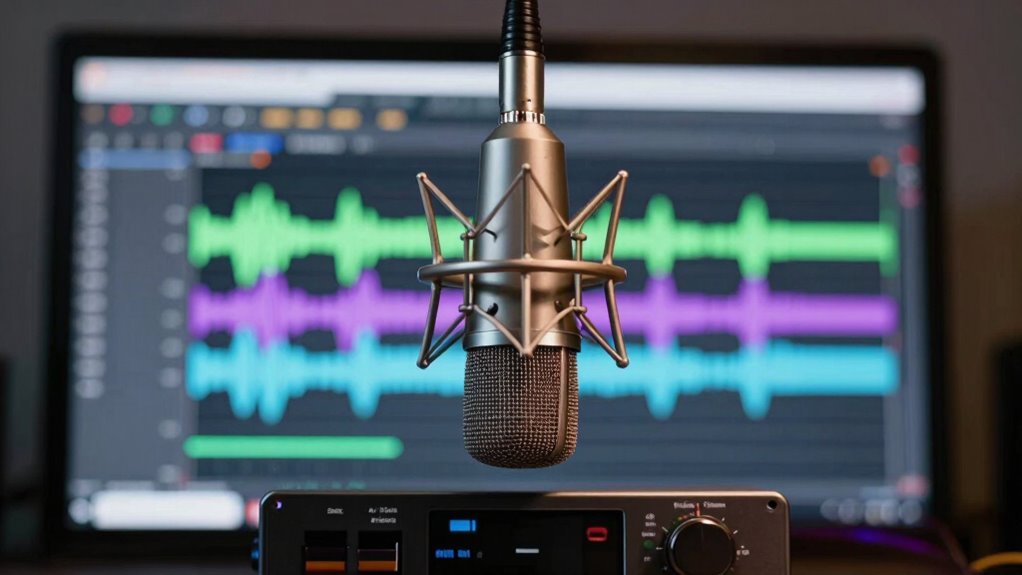
Before you start recording, audio sync problems can disrupt your workflow and compromise the quality of your project. These issues often originate even before you press the record button, and understanding why is essential to preventing headaches later. One of the main factors is microphone placement. If your microphone isn’t positioned correctly, you risk capturing uneven sound or introducing delays that make syncing difficult. For example, placing the mic too far from the source can cause a noticeable delay, as the sound takes longer to reach the recording device. Conversely, if it’s too close or at an awkward angle, the audio might sound off or uneven, which complicates post-production syncing. Proper microphone placement ensures you get a clean, consistent signal from the start, reducing the need for extensive editing later on. Additionally, microphone placement affects the clarity and consistency of your recordings, which directly impacts how easily you can synchronize audio with video later. Ambient noise plays a significant role in causing sync issues before recording even begins. If your environment is filled with background sounds—like traffic, fans, or chatter—these noises can leak into your recordings. When the audio is inconsistent or contains unwanted noise, it becomes harder to match with video or other audio tracks later. Ambient noise also affects the clarity of your recordings, making it difficult to identify precise timing cues that help align audio and video perfectly. To avoid this, you should choose a quiet, controlled environment and use soundproofing or barriers when necessary. Sometimes, even minor background sounds can throw off sync if they’re inconsistent or vary in volume. Ensuring your recording environment is well-controlled can significantly improve your overall audio quality and synchronization. Properly calibrating your equipment and settings at the start can prevent many common issues, as equipment setup plays a crucial role in maintaining sync. Regularly checking and updating your gear to match industry standards can also help prevent latency issues from affecting your recordings. Additionally, the settings on your recording device or software, such as sample rate and bit depth, need to be correct from the start. Mismatched or improperly configured settings can introduce delays or misalignments, making synchronization more difficult later. Ensuring that your audio parameters are set correctly helps maintain consistent timing. Ultimately, troubleshooting these issues before hitting record saves you time and effort later. By paying close attention to microphone placement, controlling ambient noise, and maintaining your equipment, you set a strong foundation for clean, synchronized audio. Getting these basics right means you’ll spend less time fixing problems in post-production and more time focusing on creating great content.
As an affiliate, we earn on qualifying purchases.
Frequently Asked Questions
How Do I Identify Audio Sync Issues Early?
To identify audio sync issues early, pay attention to signs like audio delay or signal lag during recording or playback. Use headphones to listen closely, checking if sound matches the video. Run test recordings beforehand, looking for mismatched lip movements or timing discrepancies. If you notice any lag or delay, adjust your audio settings or buffer size immediately. Catching these issues early helps prevent sync problems from worsening during your actual project.
Can Pre-Recording Equipment Setup Cause Sync Problems?
Did you know that improper equipment setup causes over 60% of audio sync issues? Yes, pre-recording equipment setup can cause sync problems if you neglect proper calibration. Poor cable quality and incorrect connections can introduce delays, disrupting the timing. Always guarantee your equipment is calibrated correctly and use high-quality cables to prevent sync issues before recording. Proper setup saves time and ensures your audio stays perfectly aligned.
Do Environmental Factors Affect Audio Sync Before Recording?
Environmental factors like background noise and room acoustics can affect audio sync before you hit record. If there’s a lot of background noise, your microphone might pick up sounds unevenly, causing slight timing issues. Poor room acoustics, such as echo or reverberation, can distort sound, making it harder to synchronize audio accurately later. Make certain a quiet environment and optimize room acoustics to help maintain proper sync from the start.
How Does Microphone Placement Influence Sync Accuracy?
Imagine your microphone as a tiny lighthouse, guiding sound directly to your recorder. Proper microphone orientation guarantees the sound waves hit the mic’s capsule at the right angle, reducing timing delays. Good cable quality prevents interference or signal loss, keeping audio signals crisp and synchronized. When you place your mic carefully, and use quality cables, you create a clear, direct path for sound, improving sync accuracy from the start.
Are There Specific Software Settings to Prevent Sync Issues?
To prevent sync issues, you should adjust your software settings during post-production editing, like enabling audio delay compensation or syncing tracks manually. Also, guarantee your hardware is properly configured and functioning correctly, which helps avoid problems before recording begins. Regular hardware troubleshooting, such as checking cable connections and audio interfaces, minimizes sync errors. These steps ensure smoother editing and playback, reducing the need for extensive post-production fixes.
As an affiliate, we earn on qualifying purchases.
Conclusion
Remember, audio sync issues often start before you even press record, much like a ship’s anchor dragging before the storm hits. By paying attention to your equipment setup, cables, and environment, you can avoid a digital Titanic sinking into chaos. Think of it as setting your stage with the precision of a Victorian inventor—anticipating problems before they happen. Stay proactive, and your recordings will stay in harmony, ensuring your audio is as crisp as a newly minted silver coin.
audio interface with adjustable sample rate
As an affiliate, we earn on qualifying purchases.
As an affiliate, we earn on qualifying purchases.
professional microphone for recording
As an affiliate, we earn on qualifying purchases.
As an affiliate, we earn on qualifying purchases.
Fall Picks
fall essentials
As an affiliate, we earn on qualifying purchases.