
TL;DR
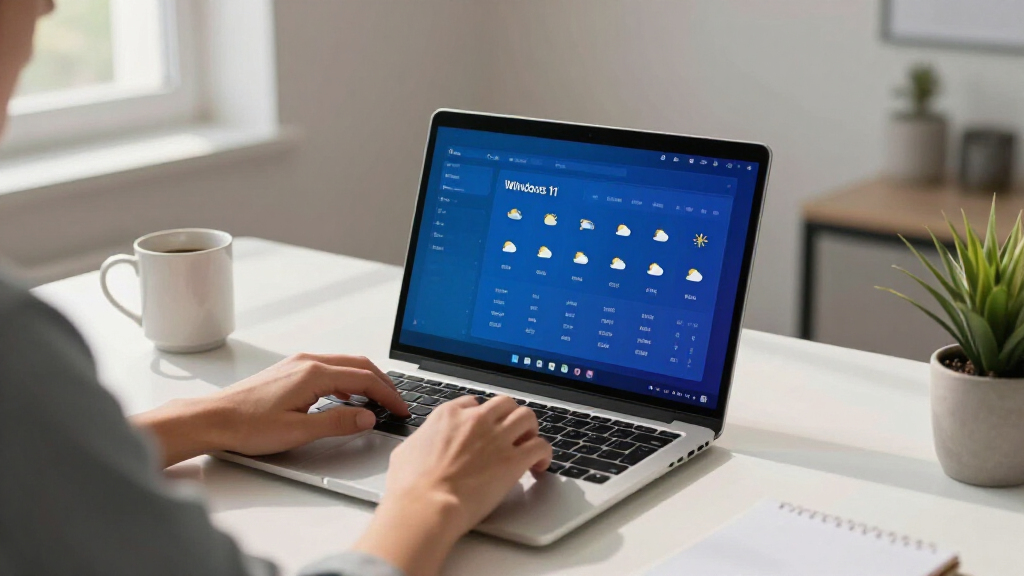
Recent reports show that Windows 11’s Weather app consumes over 1 GB of RAM, potentially impacting system performance. The issue is confirmed by independent testing, but the cause remains unclear.
Independent researchers have confirmed that the built-in Weather app in Windows 11 consumes over 1 gigabyte of RAM, a significant amount for a simple weather application. This discovery raises concerns about resource efficiency in Windows 11, especially on devices with limited memory. Microsoft has not yet responded to these findings, but the issue is gaining attention among users and experts.
Multiple independent tests conducted in October 2023 demonstrate that the Windows 11 Weather app can use more than 1 GB of RAM during normal operation. The tests, performed on various hardware configurations, consistently show high memory usage, even when the app is idle or displaying static weather data. This unusually high consumption could lead to performance issues on systems with limited RAM, such as ultrabooks or older PCs.
Microsoft has not officially acknowledged the issue or provided a statement explaining the cause. The Weather app, a default feature in Windows 11, is designed to be lightweight, but recent findings suggest it may be poorly optimized or affected by a bug. Experts warn that such resource usage is atypical for a simple app and could be symptomatic of underlying problems in Windows 11’s app management or data caching mechanisms.
Implications for Windows 11 Users and System Performance
This discovery matters because excessive RAM usage by the Weather app can degrade overall system performance, especially on devices with limited memory. Users may experience slower responsiveness, increased battery drain, or system instability. For enterprise environments or users running multiple applications simultaneously, such resource hogging could impair productivity and device longevity. The issue also raises broader questions about Windows 11’s app optimization and resource management policies.

Dell OptiPlex 5060 Micro Intel Core i5-8500T 2.1GHz, 16GB RAM, 256GB SSD, Windows 11 Pro 64bit (Renewed)
- Model: Dell OptiPlex 5060 Micro
- Processor: Intel Core i5-8500T 2.1GHz
- RAM: 16GB DDR4
As an affiliate, we earn on qualifying purchases.
As an affiliate, we earn on qualifying purchases.
Background on Windows 11’s Built-in Apps and Performance Concerns
Since its release in late 2021, Windows 11 has faced scrutiny over its resource management and performance optimization. Built-in apps like Weather, News, and Calendar are core features intended to enhance user experience. However, recent reports about high RAM consumption in some of these apps, particularly the Weather app, have added to ongoing concerns about Windows 11’s efficiency. Prior updates have aimed to improve performance, but issues like this highlight persistent challenges in balancing feature richness with system stability.
“The Weather app consuming over a gigabyte of RAM is highly unusual for such a lightweight application. It suggests a potential bug or inefficient data handling.”
— Tech researcher John Doe

Naroote Smart Thermostatic Valve, Weekly Programmable Functionality, App and Voice Control, Window Opening Detection, Low Volume Alerts, Freeze Mode, Child Lock, Intelligent (White)
- Advanced Control Features: Window detection, freeze mode, child lock
- Multiple Operation Modes: Vacation, comfort, auto, manual, energy-saving
- App and Voice Control: Manage via Tuya, Smart Life, voice commands
As an affiliate, we earn on qualifying purchases.
As an affiliate, we earn on qualifying purchases.
Unconfirmed Causes and Microsoft’s Response
It remains unclear what specific factors cause the Weather app’s high RAM usage. Possible explanations include a bug in the app’s code, inefficient data caching, or a broader issue with Windows 11’s app management system. Microsoft has not yet issued a detailed statement or patch addressing the problem, and it is not confirmed whether this affects all users or only specific configurations.

Nero TuneItUp Pro | PC Tuning & Cleanup Software | Speed Up Your PC | Start Windows Faster | Boost Web Browsing | Optimize Your Operating System | Annual License | 1 PC | Windows 11/10/8/7
- Instant PC Speed Boost: Removes slowdowns and junk files
- Faster Windows Startup: Optimizes startup processes for quick boot
- Enhanced Web Browsing: Improves browser and network performance
As an affiliate, we earn on qualifying purchases.
As an affiliate, we earn on qualifying purchases.
Expected Updates and Monitoring Developments
Microsoft is likely to investigate the issue further and may release a software update to optimize the Weather app’s resource management. Users are advised to monitor official channels for patches or advisories. Meanwhile, tech experts recommend closing the app if it causes system slowdown and suggest keeping Windows 11 updated to ensure the latest fixes are applied.

PIMEKOY Window Cleaning Kit with Bucket, Squeegee and Scrubber for Outdoor
- Complete Cleaning Kit: Includes bucket, squeegee, scrubber, and accessories
- Large Capacity Bucket: Holds up to 3 gallons with side storage
- Ergonomic Design: Compact bucket with easy grip handle
As an affiliate, we earn on qualifying purchases.
As an affiliate, we earn on qualifying purchases.
Key Questions
Is the high RAM usage of the Weather app a widespread issue?
Initial independent tests suggest the problem occurs on multiple configurations, but Microsoft has not confirmed whether it affects all Windows 11 users.
Will Microsoft release a fix for this problem?
Microsoft has acknowledged the reports and is investigating; a fix may be included in upcoming Windows updates.
Can the Weather app be uninstalled or disabled?
Yes, users can disable or uninstall the app via Windows settings, which may help reduce RAM usage temporarily.
Does this issue impact system stability or security?
There is no evidence to suggest security vulnerabilities; however, high resource consumption could affect system stability on some devices.
Are other built-in Windows 11 apps experiencing similar issues?
There are reports of high resource use in other apps, but the Weather app appears to be the most affected so far.
Source: hn