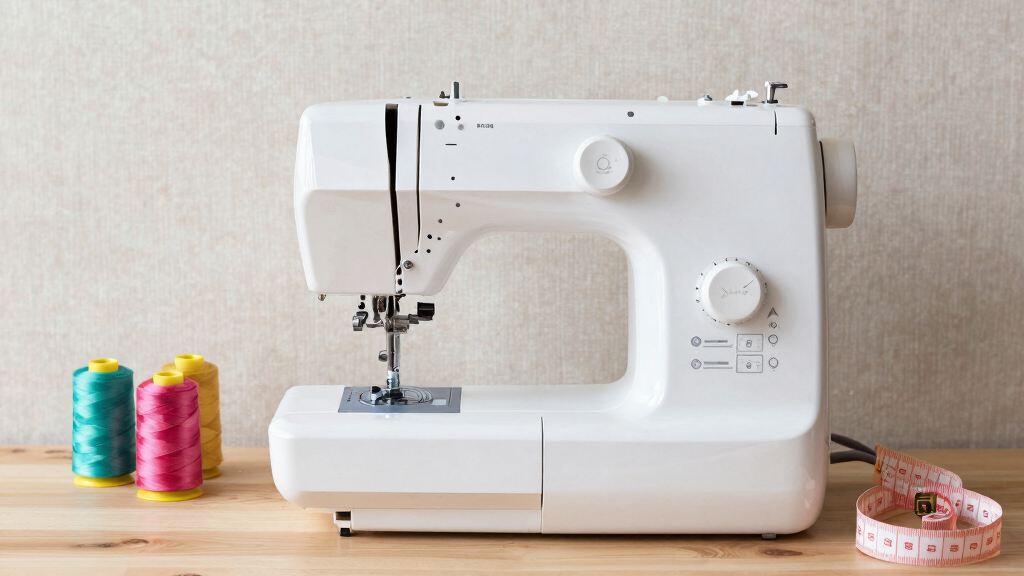

Finding the right sewing machine for home use can feel overwhelming, with options ranging from simple portable models to advanced machines with extensive features. The Brother CS7000X stands out as the best overall choice, offering a balance of versatility and ease of use. For those on a budget, the Beginners Sewing Machine for Beginners provides essential features at a lower price, while the SINGER Heavy Duty 4452 appeals to makers needing power for thicker fabrics. Keep reading for a detailed breakdown of these selections and what makes each suitable for different types of home sewers.
Key Takeaways
- The top picks vary greatly in complexity, with some geared toward beginners and others designed for advanced projects.
- Power and durability are key for tackling thicker fabrics, making heavy-duty models more suitable for experienced home makers.
- Built-in stitches and included accessories heavily influence the machine’s versatility and value.
- Portability and size are important considerations for makers with limited space or who sew on the go.
- Price points reflect feature sets, with more advanced models justifying higher costs through expanded capabilities.


More Details on Our Top Picks
Brother FB1757X Mechanical Sewing Machine
This machine stands out for its straightforward mechanical design, making it ideal for those who prefer simple, reliable operation without the complexity of digital electronics. Compared to more advanced models like the Brother CS7000X, the FB1757X offers fewer stitches (17 vs. 70), but it excels in ease of maintenance and intuitive use. It’s perfect for sewers who want a durable workhorse for basic projects without the fuss of digital controls. The tradeoff is limited versatility—if you need extensive decorative stitches or quilting features, this might feel restrictive. Its high-speed capability, up to 750 stitches per minute, makes it efficient for larger projects, while its manual operation keeps it affordable and easy to repair. However, it lacks advanced features like automatic threading or built-in embroidery patterns, making it less suited for those seeking high-tech precision or decorative versatility.
Pros:- Simple mechanical design for easy maintenance and repair
- High sewing speed of up to 750 stitches per minute
- Includes essential accessories like extension table and multiple feet
Cons:- Limited stitch options, only 17 built-in stitches
- No computerized features or advanced quilting capabilities
- Lacks automatic needle threading and other high-tech conveniences
Best for: Beginners or hobbyists seeking a reliable, easy-to-maintain machine for basic sewing projects.
Not ideal for: Advanced sewers or quilters who require extensive stitch options and automated features for complex projects.
- Number of stitches:17
- Buttonhole style:4-step
- Work area lighting:LED
- Sewing speed:750 stitches per minute
- Included accessories:extension table, various presser feet
- Power source:AC
Bottom line: This machine makes the most sense for beginners or budget-conscious sewists focused on basic, reliable sewing without extra bells and whistles.
Beginners Sewing Machine for Beginners, Dual Speed Portable Electric Mini Sewing Machine
This compact, lightweight machine makes sewing accessible for complete novices and those who need a portable option. Compared with the Brother XM2701, it offers fewer stitches (14 vs. 27) but compensates with its ultra-portable size and dual-speed control, making it perfect for quick repairs, travel, or small projects. It includes child-safe features like control modes and auto tension adjustment, which reduce the learning curve for new sewers. The tradeoff is its limited capacity—best suited for simple projects like hems, small repairs, or beginner practice, not for large or complex sewing tasks. Its dual-speed operation and complete repair kit make it especially appealing for hobbyists just starting out or for sewing on the move. However, its minimal size and fewer features mean it’s not ideal for more serious or intricate sewing projects involving thick fabrics or elaborate designs.
Pros:- Highly portable and lightweight at only 4.4 lbs
- Dual-speed control for delicate fabrics and heavy materials
- Complete starter kit with threads, needles, and accessories
Cons:- Limited to 14 stitches, restricting creative options
- Not designed for heavy-duty or large projects
- Basic features without computerized automation
Best for: Beginners, travelers, or casual sewers needing a simple, portable machine for basic tasks.
Not ideal for: Experienced sewists or quilters requiring a wide range of stitches and advanced functions for complex projects.
- Number of stitches:14
- Control modes:Foot pedal and one-touch button
- Weight:4.4 lbs
- Power source:AC/DC
- Included accessories:complete repair kit
- Threading:auto
Bottom line: This pick makes the most sense for absolute beginners or those needing a portable, simple machine for minor sewing tasks.
Brother Sewing Machine, XM2701, Lightweight Machine with 27 Stitches
This model is a versatile choice for those learning to sew or tackling a variety of projects, thanks to its 27 built-in stitches and included accessories. Unlike the Brother FB1757X, it offers more stitch options and features a user-friendly automatic needle threader and drop-in bobbin for hassle-free setup. It’s well-suited for everyday sewing, home decor, and light quilting, with its free arm simplifying sewing cuffs and sleeves. The tradeoff is its slightly heavier weight and more complex features that might overwhelm absolute beginners, but overall, it strikes a good balance between ease of use and project diversity. The extensive support and warranty make it a reliable choice for those who want to grow their skills without investing in a high-end machine prematurely.
Pros:- 27 built-in stitches including decorative and stretch options
- Automatic needle threader and jam-resistant drop-in bobbin
- Includes 6 sewing feet and comprehensive support
Cons:- Heavier than purely mechanical models, less portable
- Limited quilting and embroidery features
- Somewhat complex controls for absolute beginners
Best for: Beginner to intermediate sewists looking for a versatile, supportive machine for a wide range of projects.
Not ideal for: Advanced quilters or garment makers seeking extensive embroidery or computerized features.
- Number of stitches:27
- Included presser feet:6
- Automatic needle threader:Yes
- Drop-in bobbin:Yes
- Weight:Lightweight (not specified)
- Warranty:25 years
Bottom line: This machine makes a lot of sense for sewists who want variety and support without complexity, and are ready to expand their skills.
Brother CS7000X Computerized Sewing and Quilting Machine
This machine offers a significant step up with 70 built-in stitches, including quilting and decorative options, plus an LCD display for easy stitch selection. Compared to the Brother XM2701, it provides more advanced features like a wide table for larger projects and a quilt guide, making it suitable for quilters and serious hobbyists. Its durable metal frame means it can handle thicker fabrics and complex quilting layers, though it’s heavier and more expensive. The improved needle threader and included accessories support longer, more intricate projects. The tradeoff is that its complexity and size may be overwhelming for absolute beginners, but for those looking to grow into quilting or more advanced sewing, this machine offers excellent versatility and support.
Pros:- 70 built-in stitches including quilting and decorative options
- Large workspace and quilt guide for bigger projects
- Durable metal frame and fixed needle bar for stability
Cons:- Heavier and bulkier, less portable
- More complex interface may require learning curve
- Higher price point
Best for: Intermediate sewists and quilters who want a versatile, durable machine with extensive stitch options.
Not ideal for: Complete beginners or those seeking a simple, basic machine for small repairs or light projects.
- Number of stitches:70
- Included accessories:wide table, 10 feet, quilt guide
- Frame construction:metal
- Needle bar:fixed
- Workspace:large
- Power source:120V
Bottom line: This machine makes the most sense for sewists ready to graduate from basic models and interested in quilting or complex projects.
SINGER® Heavy Duty 4452 High Speed Sewing Machine
This model emphasizes power and durability, with a 50% stronger motor than standard machines, making it ideal for heavy fabrics like denim, leather, or multiple layers. Compared with the Brother FB1757X, the 4452 offers over 100 stitch applications, including utility, decorative, and stretch stitches, giving more flexibility for diverse projects. Its full metal frame contributes to stability during high-speed sewing, up to 1100 stitches per minute, and the included accessories—such as walking feet and non-stick feet—support a variety of fabrics. The tradeoff is that it’s heavier and less portable, and its higher speed may require some practice to control. This machine is best suited for sewists tackling heavy-duty projects or upholstery work, not for light or delicate fabrics.
Pros:- 50% more power with a heavy-duty motor
- Over 100 stitch applications for versatility
- Full metal frame for stability at high speeds
Cons:- Heavy and less portable
- More expensive and potentially overwhelming for beginners
- Requires some skill to control high-speed sewing
Best for: Sewists working with thick fabrics, upholstery, or multiple layers who need high power and speed.
Not ideal for: Beginner sewists or those mostly working with lightweight fabrics and casual projects.
- Stitch applications:110
- Stitch speed:1100 stitches per minute
- Frame:metal
- Included accessories:walking foot, zipper foot, button foot
- Buttonhole:1-step
- Power source:AC
Bottom line: This machine makes the most sense for experienced sewists needing robust power for thick fabrics and upholstery projects.
Brother XR9550 Sewing and Quilting Machine, Computerized, 165 Built-in Stitches, LCD Display, Wide Table, 8 Included Presser Feet, White
This machine stands out for its extensive range of 165 built-in stitches, making it ideal for home makers who want to explore both sewing and quilting without needing multiple machines. The LCD display simplifies stitch selection, and the wide table provides extra space for larger projects, which is a step up from more basic models like the Beginner Sewing Machine. Compared to the Heavy Duty 4411, it offers broader functionality but is slightly more complex to operate. The automatic needle threader and jam-resistant bobbin make setup straightforward, though the abundance of features can be overwhelming for absolute beginners. Overall, this pick is perfect for makers seeking a well-rounded machine that handles a variety of tasks with ease, but it might be too feature-rich for those only interested in simple repairs or basic sewing.
Pros:- 165 built-in stitches for a wide range of creative options
- LCD display for easy stitch and setting selection
- Wide table supports larger projects like quilting
Cons:- Complex interface might be daunting for absolute beginners
- Higher price point compared to simpler models like the Beginner Sewing Machine
Best for: Home makers who want a flexible, feature-rich machine for quilting, decorative sewing, and general projects.
Not ideal for: Total beginners who prefer a straightforward, no-fuss machine for basic sewing, as the multitude of features may be confusing at first.
- Built-in Stitches:165
- Display:LCD
- Included Presser Feet:8
- Power Source:Corded Electric
- Dimensions:Not specified
- Weight:Not specified
Bottom line: This machine is best suited for experienced home makers who want versatility and advanced features for quilting and decorative sewing.
SINGER® Heavy Duty 4411 (Grey) High Speed Sewing Machine + Accessories | 11 Built-In Stitches Deliver 69 Stitch Applications | 50% More Power, 1100 Stitches/Min | Metal Frame, 4-Step Buttonhole
Compared with the Brother XR9550, the SINGER Heavy Duty 4411 is designed for durability and power, making it ideal for sewing thick fabrics like denim and leather. Its metal frame and motor deliver 50% more power, enabling faster stitching at up to 1,100 stitches per minute, which is perfect for quick repairs or upholstery projects. The 69 stitch applications, including a 4-step buttonhole, provide versatility for home makers who often work with tougher materials, though it offers fewer stitches overall. This model is more straightforward than the Brother XR9550, with fewer features but greater robustness, making it less suitable for quilting or decorative sewing but excellent for heavy-duty tasks. It’s a reliable, no-frills machine that excels in durability and speed, though it lacks advanced features like an LCD display or extensive stitch options.
Pros:- 50% more power for tough fabrics
- Full metal frame for durability
- High stitching speed of 1,100 stitches/min
Cons:- Limited stitch variety with only 11 built-in stitches
- Less suitable for decorative sewing or quilting
Best for: Home makers who frequently sew heavy fabrics or need a durable machine for repairs and upholstery.
Not ideal for: Those interested in decorative or quilting projects, as it focuses mainly on power and speed over variety of stitches.
- Built-in Stitches:11
- Max Speed:1100 stitches/min
- Power:50% more than standard
- Frame:Metal
- Buttonhole:4-step
- Weight:Not specified
Bottom line: This machine is ideal for home makers needing a robust, fast machine for heavy fabrics and repairs, but not for decorative or intricate sewing projects.
Beginner Sewing Machine, 12 Built-in Stitches with Foot Pedal, 2-Speed Control, Portable Mini Sewing Machine for Home Travel Use & Sewing Enthusiasts (black)
This compact machine makes sewing accessible for absolute beginners and those who need a portable option, offering 12 built-in stitches and a simple foot pedal or button operation. Unlike the Brother XR9550, it’s less versatile but much easier to operate, with a focus on ease and convenience, making it perfect for hobbyists or quick repairs. Its lightweight, mini design allows for travel or storage in small spaces, unlike the bulkier models like the Heavy Duty 4411. The inclusion of essential accessories lets beginners start sewing immediately, although its limited stitch options and basic features mean it isn’t suitable for complex projects or quilting. This pick is best for casual sewing, travel, or first-time users who want a straightforward, portable machine without the bells and whistles.
Pros:- Lightweight and compact for portability
- Simple controls with both foot pedal and button switch
- Includes basic accessories for immediate sewing
Cons:- Limited to 12 stitches, restricting creative options
- Not suitable for heavy fabrics or detailed projects
Best for: Beginners, kids, or hobbyists seeking a lightweight, portable sewing machine for simple projects and travel.
Not ideal for: Experienced sewists or makers interested in quilting, decorative sewing, or working with thick fabrics, as it lacks advanced features and power.
- Built-in Stitches:12
- Speed Control:2-Speed
- Portability:Ultra lightweight
- Includes:Accessories and scissors
- Power Source:Electric with foot pedal
- Dimensions:Small and portable
Bottom line: This machine is perfect for beginners and travelers who want a straightforward, portable sewing solution for simple projects and repairs.

How We Picked
Each sewing machine was evaluated based on performance, ease of use, durability, and value. We prioritized models that balance features with affordability, ensuring they are suitable for a wide range of home makers. Additional factors such as build quality, versatility, and included accessories helped determine the rankings. Our goal was to identify options that cater to beginners, intermediate, and more experienced users, providing clear distinctions between models based on their intended use and complexity.Factors to Consider When Choosing Sewing Machines For Home Makers
Choosing the right sewing machine involves more than just looking at features; understanding your specific needs and skill level is crucial. Consider how often you’ll sew, the types of projects you plan to undertake, and your space constraints. A machine with more stitches and accessories offers greater versatility but may come with a higher price tag and increased complexity. Conversely, a simple, reliable model might serve a beginner well but could limit future growth. Balancing your budget with your sewing ambitions will help you find a machine that fits both now and as your skills develop.Performance and Power
For home makers tackling heavier fabrics like denim or leather, a machine with a strong motor and metal frame, such as the SINGER Heavy Duty 4452, is essential. These models can handle thicker materials without skipping stitches or overheating. Conversely, lighter machines are more suited for delicate fabrics and quick repairs, but they often lack the power for extensive projects. Consider your typical sewing tasks and choose a machine that provides enough power without unnecessary bulk.
Ease of Use and Learning Curve
If you’re new to sewing, look for a machine with straightforward controls, clear instructions, and basic features. Machines like the Beginners Sewing Machine for Beginners excel here, offering simple operation and fewer options to overwhelm. More advanced models, such as the Brother CS7000X, include LCD screens and multiple stitch choices, which can be intimidating for beginners but invaluable for more experienced users. Think about how much time you’re willing to invest in learning the machine’s functions.
Build Quality and Durability
Investing in a machine with a sturdy metal frame, like the SINGER Heavy Duty 4411, ensures longevity and consistent performance over years of use. Cheaper plastic-bodied models may be tempting but often wear out faster and are less reliable for regular sewing. Durability becomes especially critical if you plan to sew frequently or work on larger, more demanding projects. Always check reviews and warranty coverage when assessing build quality.
Versatility and Accessories
More stitches and included presser feet expand what you can create, from quilting to embroidery. The Brother XR9550 offers an impressive array of built-in stitches and accessories, making it a versatile choice for varied projects. However, a machine with too many features might be complicated for beginners, so consider your current skill level and future needs. Remember, additional accessories can often be purchased separately if needed.
Price and Value
Higher-end models with advanced features come at a premium, but they often last longer and provide more capabilities. For most home makers, finding a balance between cost and features is key. The Brother XM2701 offers excellent value with decent features at a reasonable price, ideal for those who sew occasionally. Avoid overspending on features you won’t use, but also don’t settle for a machine that may break down or lack basic functionality after a short period.
Frequently Asked Questions
Can I sew thick fabrics like denim with a basic machine?
While basic machines can sometimes handle light to medium-weight fabrics, sewing thick materials like denim often requires a machine with a powerful motor and metal frame, such as the SINGER Heavy Duty 4452. These machines are designed to provide the necessary stitch strength and durability for dense fabrics without skipping or overheating. If you plan to work regularly with heavy fabrics, investing in a heavy-duty model is advisable to avoid frustration and potential damage to a less capable machine.
Is a computerized sewing machine better than a mechanical one for home use?
Computerized machines, like the Brother CS7000X, offer more stitches, automatic features, and easier threading, which can simplify complex projects. However, they tend to be more expensive and may have a steeper learning curve. Mechanical machines, such as the Brother FB1757X, are often more straightforward, reliable, and easier to repair. The choice depends on your skill level, budget, and how much you value advanced features versus simplicity.
How much should I spend on a good home sewing machine?
The price range varies widely, from under $200 for basic models to over $500 for professional-grade machines. For most home makers, a budget of $300–$500 provides a good balance of durability, features, and ease of use. Investing slightly more can often mean a machine that lasts longer and handles a wider variety of projects with greater reliability. However, if you only sew occasionally, a less expensive model may suffice without sacrificing functionality.
Are extra accessories necessary, or can I buy them later?
Many machines come with a set of basic presser feet and accessories, which are sufficient for most initial projects. However, specialized tasks like quilting or embroidery may require additional attachments. It’s often better to start with a machine that includes the accessories you need most, then expand your toolkit as your skills grow. Purchasing accessories separately can be more cost-effective, but ensure they are compatible with your machine model.
What features should I prioritize if I want to sew clothing and home decor?
For clothing and home decor, look for a machine with a variety of stitches, adjustable stitch length and width, and a sturdy build for handling different fabrics. Features like a built-in buttonhole maker and multiple presser feet will make projects easier and more professional-looking. The Brother XM2701 and Brother CS7000X are excellent choices, offering versatility for both apparel and home projects, especially if they include accessories suited to these tasks.
Conclusion
For general home sewing, the Brother CS7000X offers a fantastic mix of features and ease of use, making it ideal for most enthusiasts. The SINGER Heavy Duty 4452 is the best choice for makers frequently working with thicker fabrics or seeking durability. Beginners should consider simpler, more affordable models like the Beginners Sewing Machine for Beginners to build confidence without feeling overwhelmed. For those with specific needs like quilting or portability, options such as the Brother XR9550 or compact models will serve well. Ultimately, choosing the right machine depends on your sewing goals, budget, and experience level.