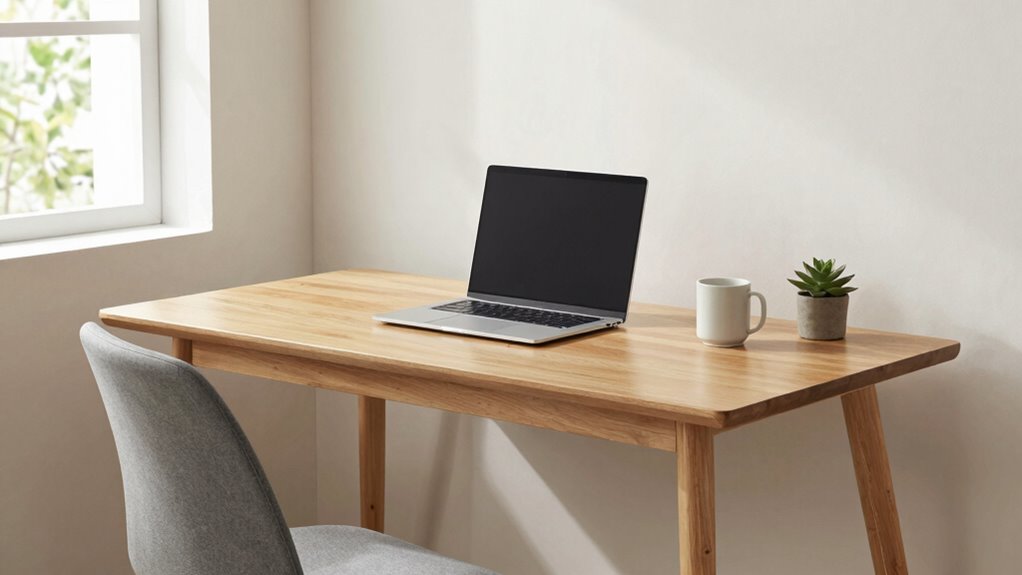

The One Desk Rule helps you boost deep work by designating a single, exclusive workspace for focused tasks. When you associate this space with concentration, your brain quickly switches into a productive mode, reducing distractions and mental clutter. This consistent environment reinforces routines, making it easier to enter a state of flow whenever you’re there. Stick to this rule, and you’ll build strong habits for sustained focus—if you’re curious, there’s more to discover.

Get the latest gadgets delivered free — and shop member deals
- Fast, free delivery on millions of items
- Access to Prime Big Deal Days deals on October 6–7
- Prime Video, Amazon Music and more included
Key Takeaways
- Designate a single, dedicated desk exclusively for deep work to condition your mind for focused productivity.
- Use the same desk consistently to reinforce routines and mental cues for entering a deep work state.
- Keep the workspace organized and free of distractions to maintain focus during deep work sessions.
- Incorporate ergonomic adjustments to ensure comfort and sustain longer, uninterrupted work periods.
- Establish clear boundaries around the desk to signal to others and yourself that deep work is in progress.
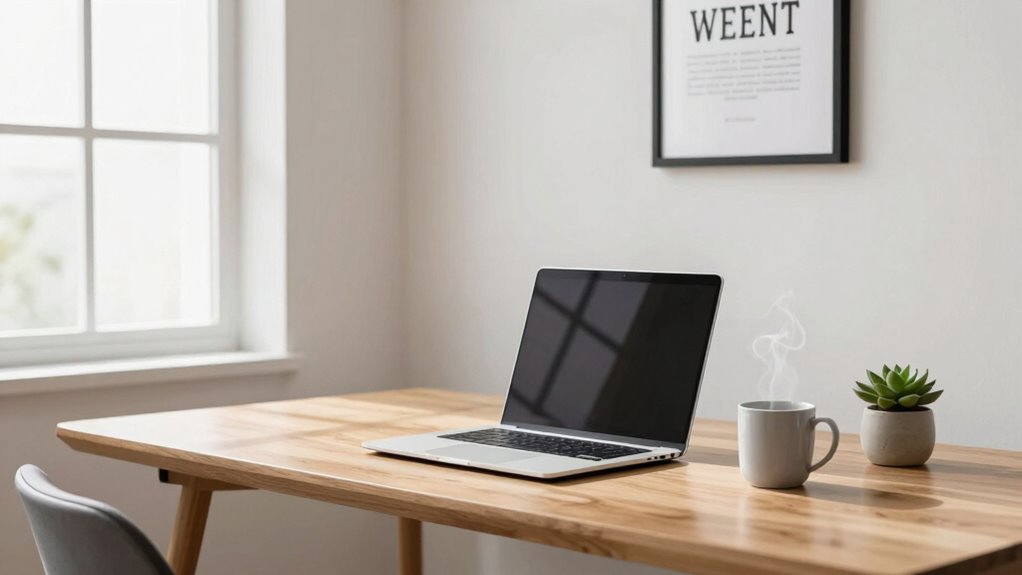
Creating a dedicated workspace can dramatically boost your ability to focus and produce high-quality work. When you establish a specific area solely for deep work, you send a clear signal to your brain that it’s time to concentrate, which helps eliminate mental clutter. One effective way to make this space work for you is by designing an ergonomic setup. An ergonomic setup isn’t just about comfort; it’s about creating an environment that minimizes physical strain and keeps you focused for longer periods. Invest in a good chair, position your monitor at eye level, and guarantee your desk height supports proper posture. When your body feels comfortable, you’re less likely to be distracted by discomfort or fatigue, allowing your mind to stay engaged in deep work sessions.
A well-designed ergonomic workspace helps maintain focus by reducing physical discomfort and promoting longer, more productive deep work sessions.
But a dedicated workspace isn’t just about furniture and gadgets—it’s also about managing distractions. Distraction management is critical for maintaining momentum during your deep work periods. Keep your workspace organized and free of clutter, which can divert your attention unnecessarily. Use noise-canceling headphones or play background music if ambient sounds pull your focus away. Limit access to digital distractions, such as social media and email notifications, by turning off alerts or using website blockers during your dedicated work time. Establishing clear boundaries around your workspace signals to others that you’re in a focused mode, reducing interruptions and helping you sustain concentration. Additionally, optimizing your environment by incorporating wellness items like plants or aromatherapy can help improve your focus and overall well-being during work sessions. Incorporating physical comfort into your setup can also help you stay engaged and prevent fatigue over longer periods. Developing a dedicated environment for deep work conditions your mind to associate that space with productivity, which enhances your focus over time. Consistently practicing this setup, especially with routine, can reinforce the mental cues necessary for entering a state of flow more effortlessly.
The one desk rule emphasizes that you should reserve this dedicated space exclusively for deep work tasks. When you only use this desk for focused activities, your brain begins to associate that space with productivity rather than casual browsing or multitasking. This association enhances your ability to quickly switch into a state of deep work when you sit down. Over time, your routines become more streamlined; you walk into your workspace with the intention to work deeply, and your mind automatically tunes into that mode because the environment has been conditioned for focus.
Consistency is key. Make it a habit to start your deep work sessions at the same time and in the same space each day. This consistency reinforces the mental cues that it’s time to focus, making it easier to enter a state of flow. Remember, the goal is to create a physical and mental environment that encourages sustained, distraction-free concentration. By combining an ergonomic setup, effective distraction management, and adhering to the one desk rule, you set yourself up for success in your deep work pursuits. This disciplined approach not only increases your productivity but also cultivates a mindset geared toward high-quality, meaningful work.
ergonomic office chair for deep work
As an affiliate, we earn on qualifying purchases.
As an affiliate, we earn on qualifying purchases.
Frequently Asked Questions
How Long Should I Stick to the One Desk Rule Daily?
You should stick to the one desk rule for at least a few hours daily, ideally during your most productive periods. Maintaining workspace consistency helps reinforce productivity habits and signals your brain it’s time to focus. Start with 2-3 hours and gradually increase as you build discipline. Consistent use of one desk minimizes distractions, sharpens your focus, and makes deep work more effective, ultimately boosting your overall output.
Can I Modify the Rule for Different Work Tasks?
Yes, you can modify the rule for different work tasks by allowing workspace flexibility and task-specific adjustments. For example, dedicate your main desk to deep work, but switch to a different space for collaborative tasks or quick checks. This way, you tailor your environment to suit each task, maximizing focus and productivity while maintaining the benefits of the one desk rule. Flexibility helps you adapt without sacrificing the deep work mindset.
What if I Don’T Have a Dedicated Workspace?
If you don’t have a dedicated workspace, imagine a corner in your shared environment turning into your zone for deep work. You can manage distractions by setting boundaries, using noise-canceling headphones, or scheduling focused sessions during quieter times. Even in a shared workspace, you carve out mental clarity by creating visual cues or signals that tell others when you’re in deep work mode. Discipline transforms any space into your productivity haven.
How Does the Rule Improve Focus Over Time?
The one desk rule improves your focus over time by reducing distractions and establishing environment consistency. When you always work at the same desk, your mind associates that space with deep work, making it easier to switch into focus mode. This consistency minimizes environmental changes that can cause distraction, helping you stay on task longer and develop a strong work habit. Over time, your concentration deepens, boosting your productivity and efficiency.
Is the Rule Effective for Remote or Hybrid Workers?
Sure, the One Desk Rule works wonders for remote and hybrid workers, turning your home into a fortress of focus. It streamlines virtual collaboration, making sure you’re not juggling multiple workspaces like a circus performer. Plus, it encourages an ergonomic setup, saving your back from the ‘creative’ postures of makeshift desks. So yes, this rule transforms chaotic work-from-home chaos into a structured deep work sanctuary—because consistency is king.
adjustable monitor stand for desk
As an affiliate, we earn on qualifying purchases.
As an affiliate, we earn on qualifying purchases.
Conclusion
By sticking to the one desk rule, you create a dedicated space that signals your brain it’s time for deep work, reducing distractions and boosting focus. This consistency aligns with the theory that environmental cues shape your habits, making concentration more automatic over time. While some argue flexibility fosters creativity, evidence suggests that a single workspace enhances cognitive flow and productivity. Embracing this rule could be your secret weapon for sustained, meaningful work.
noise-canceling headphones for focus
As an affiliate, we earn on qualifying purchases.
As an affiliate, we earn on qualifying purchases.
desk organization and storage solutions
As an affiliate, we earn on qualifying purchases.
As an affiliate, we earn on qualifying purchases.
Fall Picks
fall essentials
As an affiliate, we earn on qualifying purchases.