
Fake screenshot stories turn everyday DMs into viral content by manipulating images to appear as real messages between people. They often aim to provoke emotions, spread rumors, or influence opinions quickly through social media shares. Many viewers might believe these staged images without questioning their authenticity. Recognizing signs of manipulation, understanding creators’ motives, and questioning content can help you spot such stories. Keep exploring to discover how these deceptive images impact online trust and how to stay cautious.
Key Takeaways
- Fake screenshot stories often depict staged DMs designed to evoke strong emotional reactions.
- Creators craft these images to quickly spread viral content through social media sharing.
- Manipulated DMs leverage curiosity and controversy to increase engagement and visibility.
- Recognizing signs like inconsistent fonts or unnatural language helps identify fabricated screenshots.
- Understanding motives behind staged DMs aids in discerning genuine content from viral fake stories.
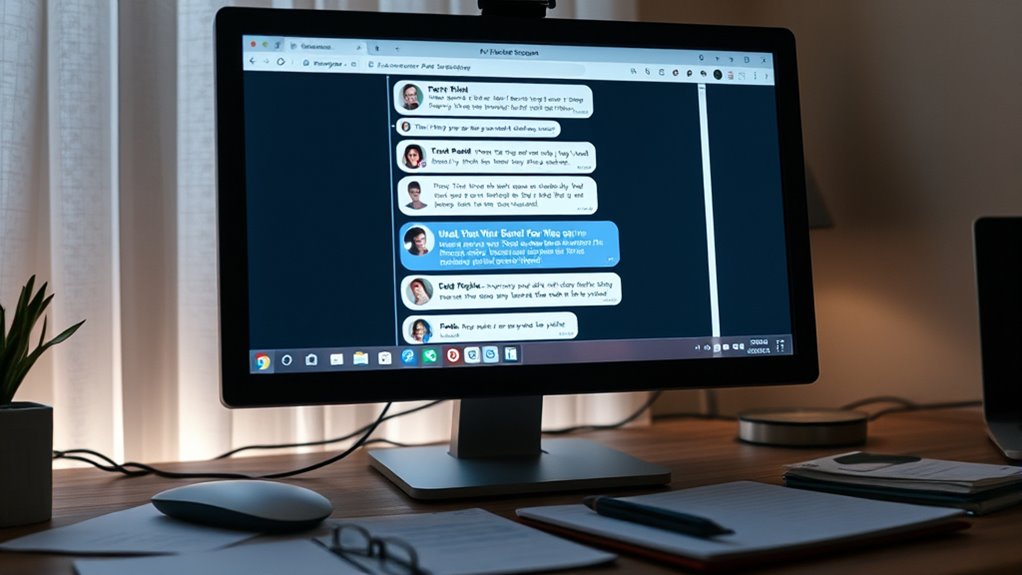
Fake screenshot stories have become a widespread phenomenon online, often misleading viewers into believing false information or staged conversations. These images appear to show real messages exchanged between people, but in reality, they’re carefully crafted imposters designed to stir emotions or attract attention. They’re a prime example of digital deception, where visual content is manipulated to create a convincing illusion. As a result, many people fall for these stories without questioning their authenticity, which can lead to misunderstandings, rumors, or even harm.
Fake screenshot stories deceive many online, spreading false info and stirring emotions through manipulated images.
One reason fake screenshot stories thrive is their ability to go viral quickly. When shared on social media platforms, they tap into users’ curiosity and desire for sensational content. The ease of sharing means a well-crafted fake can reach thousands or even millions within hours. Creators often leverage viral marketing techniques, using emotionally charged messages or controversial topics to boost engagement. They understand that the more provocative or relatable the content appears, the more likely it is to be shared, liked, and commented on. This amplification fuels the spread of misinformation, making it difficult for viewers to discern what’s real from what’s staged.
You might find yourself scrolling through your feed, instantly captivated by a screenshot that seems to reveal a shocking or funny exchange. It’s tempting to believe everything you see, especially if it confirms your biases or interests. But remember, not all screenshots are genuine; many are intentionally fabricated to manipulate perceptions. Some creators use these images to promote certain narratives or influence public opinion, often as part of viral marketing campaigns designed to hijack trending conversations or boost visibility. These tactics can be subtle, blending fact with fiction to create stories that seem believable at first glance.
To protect yourself, always approach screenshot stories with skepticism. Ask yourself who created it and why. Look for signs of manipulation—poor image quality, inconsistent fonts, or unnatural language. Cross-reference with credible sources if the content seems significant or controversial. Recognizing digital deception is essential in the age of misinformation, especially when such stories are crafted to go viral. By staying vigilant, you can avoid falling prey to fake screenshot stories that exploit your trust and curiosity for their own gain. Remember, not everything that appears real online is genuine, and understanding the motives behind these staged images helps you navigate social media more wisely.
Additionally, understanding the underlying personality traits that may influence the creation or sharing of such content can help in assessing its credibility.
Frequently Asked Questions
How Can I Verify the Authenticity of a Fake Screenshot?
To verify if a screenshot is fake, you should start by using digital forensics and image analysis tools. Look for signs of editing, such as inconsistent fonts, pixelation, or mismatched metadata. Check the context of the conversation and compare it with known genuine messages. If you’re unsure, consult an expert in digital forensics who can analyze the image’s authenticity, helping you determine whether it’s manipulated or real.
What Are the Legal Risks of Creating Fake Screenshot Stories?
You risk serious legal implications and ethical issues when creating fake screenshot stories. Authorities could view it as defamation, fraud, or misinformation, leading to potential lawsuits or criminal charges. Ethically, you undermine trust and deceive your audience. Always consider the impact of your content, as intentionally spreading false information can damage reputations and harm relationships. Stay responsible by avoiding the creation and sharing of fake screenshots to protect yourself legally and morally.
How Do Fake Screenshots Impact Public Trust in Social Media?
You undermine public trust in social media through digital deception, especially when you create fake screenshots. These false images fuel misinformation spread, making users doubt the authenticity of genuine content. As a result, people become more skeptical, which damages the credibility of platforms and honest creators. Your actions contribute to a cycle of distrust, ultimately eroding the social media community’s ability to share reliable and truthful information.
Are There Ethical Guidelines for Making Fake Screenshot Stories?
Should you create fake screenshot stories without considering their impact? While there are no universal rules, following digital ethics emphasizes honesty and content authenticity. You should prioritize transparency, clearly indicating when a screenshot is fabricated to avoid misleading viewers. Upholding ethical standards helps maintain trust and credibility, ensuring your content respects both your audience and the truth. Wouldn’t you want to foster genuine connections instead of risking reputation damage?
What Tools Are Best for Creating Convincing Fake Screenshots?
You can use digital editing tools like Adobe Photoshop or GIMP to create convincing fake screenshots. These screenshot tools allow you to manipulate images easily, adjusting text, colors, and layout to mimic real messages. To make your fake screenshots look authentic, focus on matching fonts and elements closely. Remember, while these tools can produce realistic images, always use them responsibly and ethically to avoid misleading others.
Conclusion
Fake screenshot stories can quickly go viral, blurring the line between reality and fiction. They capture attention and spark conversations, with some reaching millions of views. Did you know that 65% of social media users have encountered or shared a fake screenshot at some point? Staying critical and verifying sources is essential to avoid spreading false information. As these stories evolve, they remind you to think twice before accepting everything at face value online.