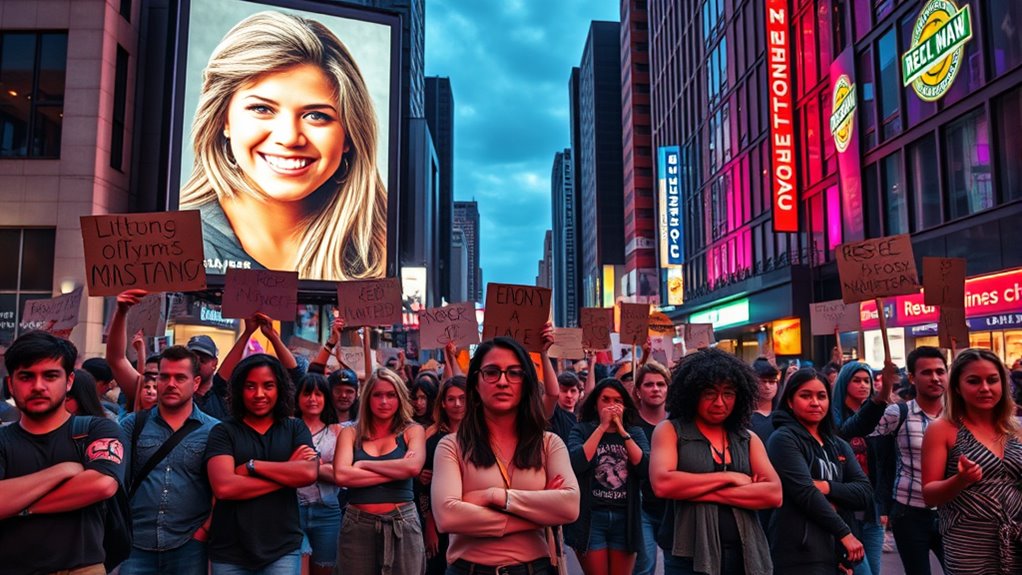

As a consumer, you’re demanding more honesty from influencers and brands. The rise of deinfluencing reflects your push for transparency, authenticity, and genuine opinions. You’re skeptical of hidden sponsorships and prefer real experiences over promotional hype. This backlash shows that trust is essential in digital content. If you keep exploring, you’ll uncover how this shift is changing influencer marketing and making online content more trustworthy than ever.
Key Takeaways
- Deinfluencing challenges traditional influencer marketing by promoting transparency and genuine opinions, leading to consumer skepticism of sponsored content.
- The movement emphasizes authenticity, encouraging influencers to share honest experiences rather than superficial endorsements.
- Clear disclosure of sponsorships enhances trust and credibility, reducing feelings of being misled by hidden agendas.
- Consumers are increasingly critical and prefer content that demonstrates real product effectiveness over paid promotions.
- Brands and influencers now prioritize honesty and transparency to rebuild trust and adapt to evolving consumer expectations.
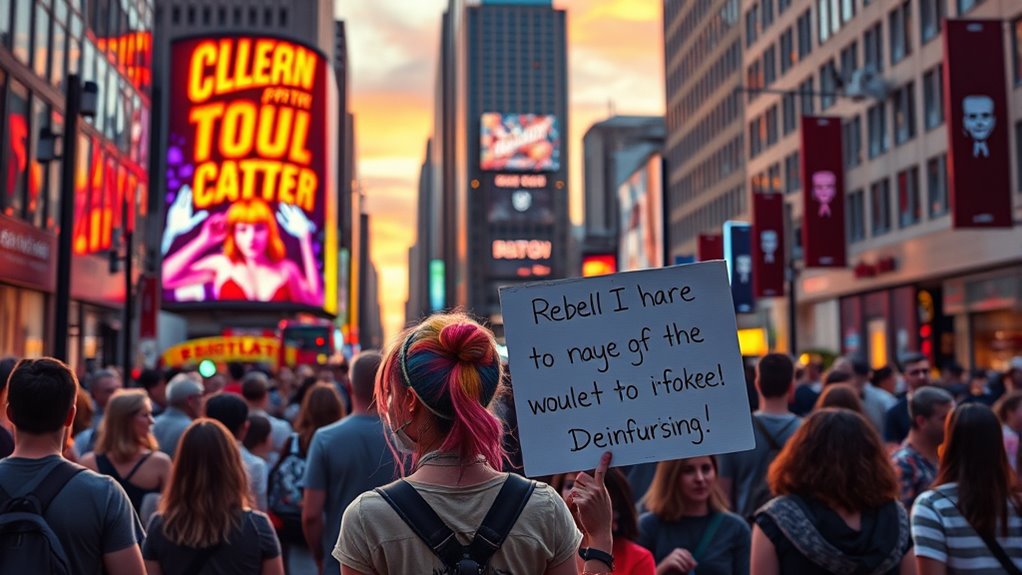
In recent years, deinfluencing has emerged as a powerful movement challenging traditional influencer marketing, prompting consumers to question the authenticity and motives behind sponsored content. You’ve likely noticed this shift firsthand, as more people are becoming skeptical of influencers’ recommendations. Instead of blindly trusting a polished review or sponsored post, you now seek genuine opinions and transparency. Influencer authenticity has taken center stage because audiences want to see real experiences, not just promotional messages designed to boost sales. This growing demand for sincerity pushes influencers to be more honest about their opinions and experiences, making their endorsements feel less like advertisements and more like personal recommendations. When influencers are transparent about their relationships with brands, viewers trust them more. You’re more inclined to believe someone who openly discusses whether they genuinely liked a product or if they’re being paid to promote it. Transparency from brands and influencers creates a sense of honesty that resonates with consumers tired of feeling duped by hidden agendas.
Many influencers and brands are now realizing that maintaining this level of openness isn’t just about staying ethical; it’s about staying relevant. If you, as a consumer, feel like an influencer is hiding sponsored content or not being upfront about their motives, it erodes trust and diminishes their influence. Conversely, when influencers disclose their partnerships clearly and share authentic opinions, you’re more likely to value their content and consider their recommendations seriously. This push towards transparency also encourages brands to be more honest about their products and partnerships, fostering a healthier relationship with their audience. You want to see that a product truly works for someone like you, not just because an influencer is paid to say so. The rise of deinfluencing is about reclaiming control, making sure that your trust isn’t exploited through overly curated or fake endorsements.
This movement is transforming how you engage with content online. Instead of passive acceptance, you’re adopting a more critical eye, looking for signs of genuine influencer authenticity and clear brand transparency. As a result, both influencers and brands are adapting their strategies to prioritize honesty and build genuine connections. The era of superficial endorsements is waning, replaced by a focus on real stories and transparent partnerships. Ultimately, deinfluencing empowers you to make more informed decisions, ensuring that your trust is placed in content crafted with integrity rather than merely driven by marketing agendas.
Frequently Asked Questions
How Do Brands Respond to Deinfluencing Trends?
You should respond to deinfluencing trends by emphasizing brand transparency and influencer accountability. Clearly communicate your product’s benefits and address concerns openly to rebuild trust. Collaborate with influencers who align with your values and guarantee they disclose sponsored content properly. By showing honesty and taking responsibility, you can strengthen your brand’s reputation, regain consumer confidence, and demonstrate your commitment to ethical marketing practices amidst the evolving social media landscape.
Are All Consumers Supportive of Deinfluencing?
Coincidentally, not all consumers support deinfluencing. You might notice that some remain skeptical due to concerns about influencer transparency, questioning the authenticity of endorsements. While others appreciate the movement for promoting honesty and avoiding manipulation, a segment still trusts traditional influencer marketing. Your experience shows that consumer skepticism varies, and support for deinfluencing depends on how well influencers communicate transparency and genuine intent.
What Ethical Considerations Arise From Deinfluencing?
You should consider that deinfluencing raises ethical issues like authenticity concerns, where you might question if recommendations are genuine or influenced by hidden motives. Transparency issues also come into play if influencers or brands don’t clearly disclose their intentions or partnerships. As you navigate this space, prioritize honesty and openness to maintain trust, ensuring your actions respect consumer rights and promote genuine connections.
Will Deinfluencing Impact Influencer Marketing Strategies Long-Term?
Deinfluencing will likely reshape your influencer marketing strategies long-term, emphasizing authentic engagement over traditional promotion. You’ll need to focus on building genuine relationships and fostering trust with your audience, which can strengthen brand loyalty. By prioritizing transparency and honesty, you’ll adapt to evolving consumer preferences, making your campaigns more effective. This shift encourages deeper connections, ensuring your marketing remains relevant and impactful in a landscape increasingly skeptical of overt advertising.
How Can Consumers Identify Genuine Deinfluencing Content?
Like Sherlock Holmes, you can spot genuine deinfluencing content by scrutinizing influencer transparency and authenticity verification. Look for clear disclosures of sponsored content, and assess if their opinions seem honest rather than promotional. Trust creators who openly share their experiences and admit when they’ve been compensated. By paying attention to these cues, you’ll better distinguish authentic advice from paid promotions, ensuring your choices are well-informed and genuine.
Conclusion
As the digital landscape shifts, you stand at a crossroads, where the glossy allure of influencer culture fades into the shadows of authenticity. The rising tide of deinfluencing paints a cautious horizon, reminding you that true trust is rooted in transparency. With a cautious eye, you navigate this new terrain, where consumer voices echo louder, carving paths of genuine connection. In this evolving scene, your choices shape a future where honesty shines brighter than any curated facade.