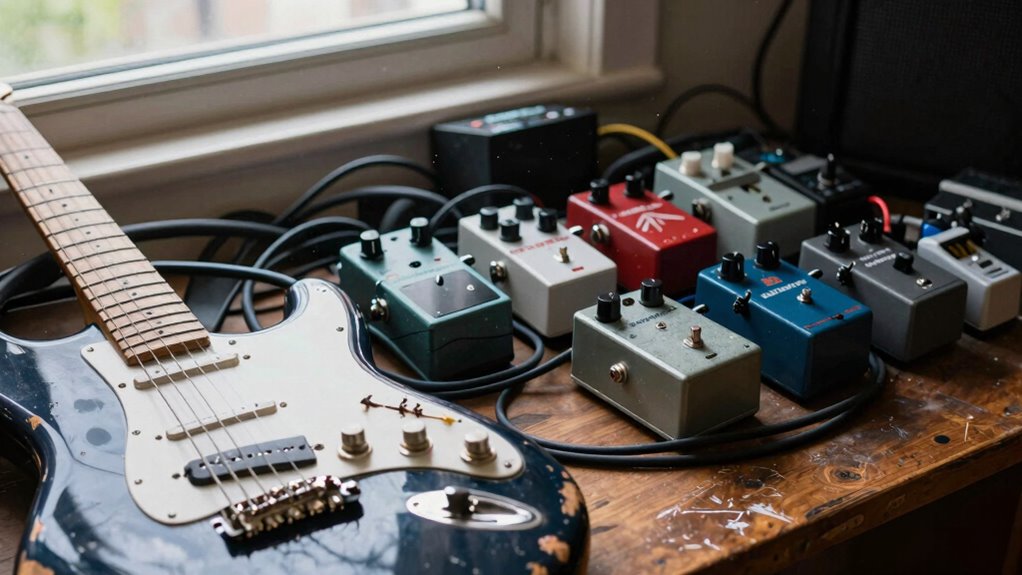

Many beginners fall into the trap of overinvesting in gear, believing that better equipment will make them sound more professional or learn faster. This focus often distracts from developing essential skills like technique and music theory. If you rely too much on your gear, progress can stall, and playing may feel hollow without it. Keep in mind, growth comes from practice—stick around to discover effective ways to improve without overspending.

Get the latest gadgets delivered free with Prime
- Fast, free delivery on millions of items
- Prime Video, Amazon Music and more included
- Member-only deals all year
Key Takeaways
- Beginners often overinvest in gear believing it will speed up their learning process.
- Relying too much on equipment can hinder the development of core skills and musical understanding.
- Equipment limitations may block technique growth, making upgrades tempting but not always necessary.
- Overemphasis on gear can cause performance dependence and reduce confidence without proper skill foundation.
- Focusing on theory, practice, and affordability leads to more sustainable progress than constant gear upgrades.
As an affiliate, we earn on qualifying purchases.
Why Do Beginners Overinvest in Gear Too Soon?
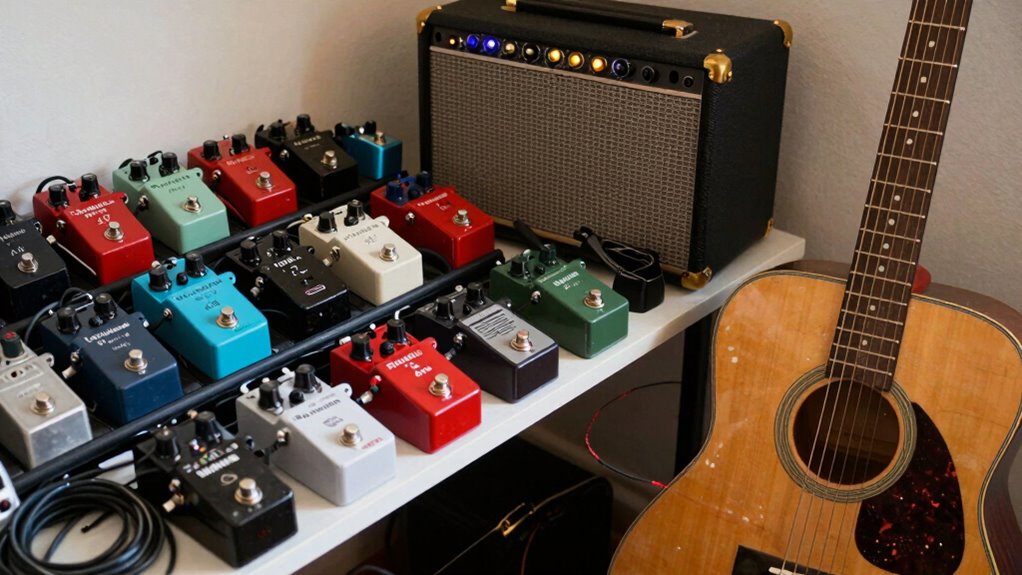
Many beginners jump into purchasing expensive gear right away because they believe better equipment will help them learn faster or sound more professional. This gear obsession often fuels an equipment addiction, making you think that upgrading gear will instantly improve your skills. You might feel pressure to keep up with others or believe that having top-tier gear is the key to success. However, this focus on gear can distract you from developing foundational skills and practicing consistently. Instead of investing heavily early on, it’s better to start with what’s affordable and learn how to use it well. Over time, your skills will grow, and you’ll naturally upgrade when you’re ready—without falling into the trap of digital concepts equating gear with progress. Becoming familiar with your equipment’s features and limitations is crucial before investing in the latest models. Recognizing that home setup is just as important as the gear itself helps you make smarter choices and avoid unnecessary expenses. Additionally, understanding the limitations of technology can help you set realistic expectations and focus on honing your craft rather than chasing the latest gadgets. Developing a mindset of patience can further ensure you prioritize skill-building over impulsive upgrades.
As an affiliate, we earn on qualifying purchases.
How to Recognize When Your Gear Is Holding You Back

Even if you start with decent gear, it’s important to recognize when your equipment may be limiting your progress. Gear limitations can hinder your technique development, making it harder to improve or experiment with new styles. If you find yourself unable to execute certain techniques or if your sound feels stuck despite practicing regularly, your gear might be holding you back. For example, a beginner’s guitar with limited fret options or a basic amplifier can restrict your growth. Pay attention to whether upgrading your gear could help, but also focus on whether your technique is evolving. Sometimes, your skills need more practice, not better equipment. Recognizing these signs helps you avoid unnecessary upgrades and keeps your focus on mastering fundamentals. Additionally, just like in solar system design where safety considerations are crucial, ensuring your gear is appropriate and safe for your skill level is equally important. Being aware of gear limitations can help you make smarter choices about when an upgrade is genuinely necessary.
starter keyboard with basic features
As an affiliate, we earn on qualifying purchases.
As an affiliate, we earn on qualifying purchases.
Signs You’re Relying Too Much on Equipment
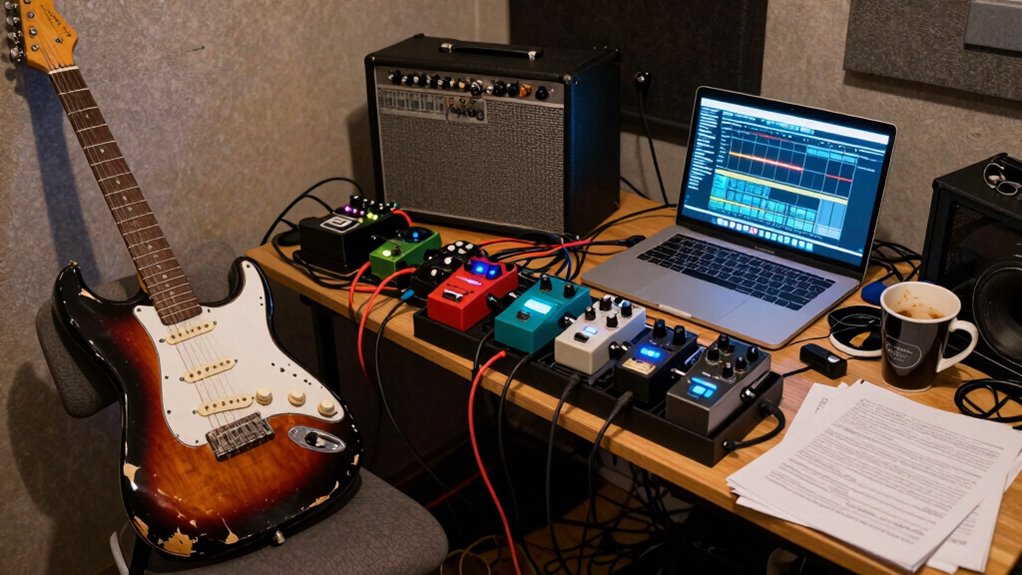
If you find that your sound or performance depends heavily on your gear, you might be relying too much on equipment rather than your skills. Notice if your playing feels hollow without your setup. Here are some signs:
Dependence on gear can weaken your skills; focus on fundamentals to enhance true musical confidence.
- You struggle to improvise or adapt without your gear, indicating a lack of solid music theory understanding.
- Your practice routines focus more on tweaking settings than developing technique or musicality.
- You feel less confident in your ability to perform or create music without your favorite gear.
- Passive voice detection can reveal if your descriptions tend to emphasize equipment over your actual playing.
Relying solely on equipment can hinder your growth, making it essential to strengthen your fundamentals through music theory and consistent practice routines. Additionally, understanding the role of contrast ratio in your setup can significantly impact your ability to create dynamic and engaging performances. Developing musical self-awareness helps you recognize when your reliance on gear is limiting your progress and encourages a focus on core skills. Recognizing how supportive environments like practice spaces or local jam sessions influence your confidence can also help balance your reliance on equipment. Incorporating visual cues in your practice can further enhance your ability to adapt without gear.
As an affiliate, we earn on qualifying purchases.
Practical Tips to Improve Your Skills Without Overspending
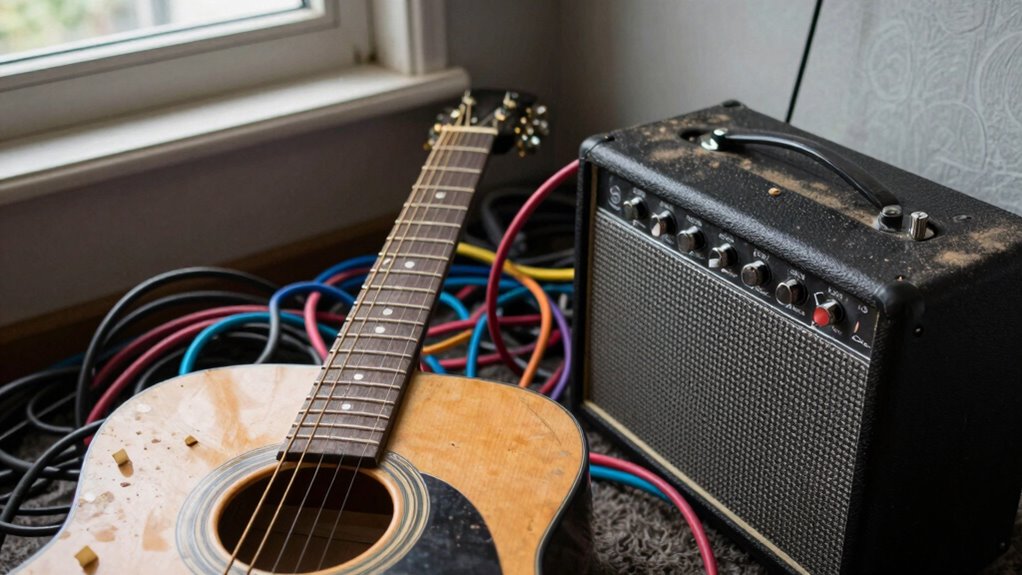
Improving your skills doesn’t have to mean spending a fortune on new gear. Focus on mastering music theory basics, which deepen your understanding and enhance your playing without extra equipment. Incorporate structured practice routines into your schedule—set specific goals, break tasks into manageable segments, and stay consistent. Use free online resources, apps, and tutorials to learn new scales, chords, and techniques, saving money on lessons or gear upgrades. Recording your practice sessions helps track progress and identify areas for improvement. Remember, skill development relies more on dedication and technique than expensive gear. By honing your music theory knowledge and establishing effective routines, you’ll make significant progress without overspending, proving that sound healing principles can also inspire mindful and effective practice, and that quality practice beats costly equipment every time. Additionally, understanding how subtle factors like ear wax odor or the presence of contaminants can affect your environment highlights the importance of paying attention to details that can influence your overall well-being and focus during practice sessions. Recognizing the significance of environmental factors can help create an optimal space for learning and practicing your instrument, especially when considering yarn for scarves or other personal comfort items that can impact concentration and relaxation. Moreover, paying attention to details like Rhythm Failure can help you develop a more nuanced sense of timing and rhythm, which are crucial for musical growth.
Smart Strategies to Grow as a Musician Without Breaking the Bank

Growing as a musician doesn’t require a hefty budget; instead, it’s about making smart choices and leveraging available resources. Focus on mastering music theory through free online lessons or apps to build a solid foundation. Establish consistent practice routines, even if short, to steadily improve your skills. Here are some strategies to grow without overspending:
- Use free or affordable apps for learning scales, chords, and ear training.
- Join online communities or local groups for feedback and collaboration.
- Record yourself regularly to track progress and identify areas for improvement.
- Explore Backyard Transformation Essentials to create a comfortable space that encourages regular practice and creative inspiration. Additionally, dedicating time to understanding music theory can greatly enhance your ability to improvise and compose, broadening your musical horizons.
Frequently Asked Questions
How Do I Determine When My Gear Actually Needs an Upgrade?
You determine when your gear needs an upgrade by evaluating its gear longevity and how well it meets your current musical needs. If your equipment starts to show wear, limits your creativity, or no longer functions reliably, it’s time to contemplate upgrade timing. Listen to your instrument’s performance, and don’t hold onto gear just out of habit. Upgrading when necessary ensures you keep progressing without sacrificing sound quality or comfort.
Can Cheap Gear Still Produce Professional-Quality Sound?
Yes, cheap gear can still produce professional-quality sound if you choose wisely and understand its limitations. Focus on sound quality and equipment durability—look for reputable brands and read reviews. Proper maintenance and technique also make a big difference. Remember, it’s not always about the cost; sometimes, investing in better accessories or upgrading specific components can considerably enhance your sound without breaking the bank.
What Are Common Mistakes Beginners Make When Choosing Music Equipment?
When choosing music equipment, you often overlook sound quality and brand reputation, which can hurt your sound. You might impulsively buy gear based on price or looks, but that can lead to poor sound and frustration. Instead, research reputable brands known for reliability and clear sound. Test gear before buying, and remember that investing in quality gear can save you money and improve your performance long-term.
How Can I Stay Motivated Without Constantly Buying New Gear?
To stay motivated without constantly buying new gear, focus on mastering your current equipment instead of overemphasizing gear upgrades. Set specific goals and track your progress, which keeps you inspired. Keep within your budget constraints by exploring free online tutorials and practicing regularly. Remember, genuine improvement comes from skill development, not just gear. Appreciating your existing gear and noticing your progress will boost motivation more than chasing new equipment.
Is It Better to Learn on Simple Gear Before Upgrading?
It’s better to start on simple gear because it helps you focus on developing your musical creativity without distractions. Upgrading later allows you to appreciate the improvements and understand your true needs. Additionally, learning to maintain your gear properly guarantees it stays in good condition, saving you money and enhancing your playing experience. This approach builds a solid foundation, making your upgrades more meaningful and your progress more steady.
Conclusion
Remember, mastering music isn’t about owning the latest gear or living like a rockstar in the 70s. Instead, focus on honing your skills, practicing regularly, and learning to truly listen. Don’t fall into the trap of believing your gear makes you a great musician—because even Beethoven knew that true talent comes from within, not from a fancy instrument. Keep your passion alive, and let your music tell your story.
Fall Picks
fall essentials
As an affiliate, we earn on qualifying purchases.