
TL;DR
Valve has made the design files for its Steam Machine e-ink screen publicly available. This move allows enthusiasts and developers to build their own custom e-ink displays for gaming systems. The open-source release could foster new DIY projects and innovations in gaming hardware.
Valve has officially released the open-source design files for its Steam Machine e-ink screen, allowing developers and hobbyists to create their own custom e-ink displays for gaming setups. This move makes the hardware design publicly available for the first time, aiming to support DIY projects and foster innovation in gaming hardware customization.
The open-source release includes detailed design files, schematics, and firmware information for Valve’s proprietary e-ink display used in earlier Steam Machine prototypes. Valve confirmed that the files are now accessible via their GitHub repository, inviting the community to modify and build upon the existing design. Valve spokesperson confirmed that this initiative is part of their broader effort to support open hardware development and community-driven innovation. The company emphasized that users should have technical skills to undertake such projects, as they involve complex assembly and programming processes. The move is seen as a response to growing interest in DIY gaming hardware and customization among enthusiasts and developers alike, similar to the Valve’s efforts to support open hardware.Potential Impact on DIY Gaming Hardware Development
This open-source release could significantly influence the DIY gaming community by enabling custom-built e-ink displays for Steam Machines and other projects. It lowers the barrier for hobbyists to experiment with hardware modifications, potentially leading to innovative uses such as low-power in-game displays, custom dashboards, or portable gaming devices. Additionally, Valve’s support for open hardware may encourage other companies to follow suit, fostering a broader ecosystem of community-developed gaming peripherals and accessories. It also reflects Valve’s broader strategy to engage with the community and support open-source initiatives in gaming hardware.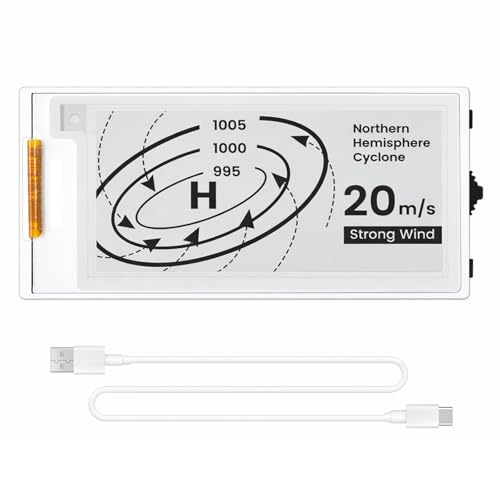
ELECROW ESP32 E-Ink Display 2.13 Inch, CrowPanel E-paper HMI Display Compatible with Arduino IDE, E Ink Screen with 122×250 Resolution Black/White Color, Driven by SPI Interface (Without Acrylic Case)
Built-in ESP32-S3 Controller & SPI Interface – Comes with ESP32-S3 as the main MCU (up to 240 MHz)…
As an affiliate, we earn on qualifying purchases.
As an affiliate, we earn on qualifying purchases.
Background on Valve’s Steam Machine and E-Ink Display Development
Valve introduced the Steam Machine concept in 2015 as part of its effort to bring PC gaming into a console-like form factor. While the official Steam Machines saw limited commercial success, Valve continued experimenting with hardware, including prototypes featuring e-ink screens designed for low power consumption and quick status updates. Prior to this release, the e-ink display design remained proprietary, with limited community access. The move to open-source the design aligns with Valve’s recent initiatives to promote open hardware and community involvement, following trends seen in other tech sectors where open-source hardware fosters innovation and customization.“We believe in empowering the community with the tools to innovate, and releasing the design files for our e-ink display is a step toward that goal.”
— Valve spokesperson

Heltec Meshtastic LoRa ESP32 SX1262 E-Paper Monitor Development Kit 2.13 Inch E-Ink Display Screen WiFi Bluetooth Black White Price Tag IoT Compatible with Arduino (902-928MHz)
Triple-Mode Wireless Connectivity & Powerful MCU: Built around the ESP32-S3R8 dual-core processor, this development kit supports Wi-Fi (2.4GHz…
As an affiliate, we earn on qualifying purchases.
As an affiliate, we earn on qualifying purchases.
Uncertainties About Community Adoption and Technical Challenges
It remains unclear how widely community members will adopt the open-source design, given the technical complexity involved in manufacturing and programming the display. There is also uncertainty regarding whether Valve will provide ongoing support or updates for the design files. Additionally, the extent to which this move will influence broader industry practices remains to be seen, as other companies have yet to follow suit in open-sourcing hardware components.
TekGroAml 2.1 inch 480×480 400 nits Round LCD Display and Mini H/D Board
[High-Definition Visual Experience] 2.1 inch IPS round screen with 480×480 high resolution. 16.7M colors and 400cd/m² brightness ensure…
As an affiliate, we earn on qualifying purchases.
As an affiliate, we earn on qualifying purchases.
Next Steps for DIY Developers and Valve’s Hardware Strategy
Community members are expected to begin experimenting with the design files, potentially leading to new DIY projects, tutorials, and custom hardware products. Valve may also observe how the community utilizes the open-source files and could release further hardware designs or updates. The company’s broader hardware strategy may evolve based on community feedback and project success, possibly influencing future Valve hardware initiatives or collaborations with third-party developers.
250×122 Resolution 2.13 Inch e-Paper Display HAT E-Ink Screen LCD Module SPI Interface with Embedded Controller for Raspberry Pi 2B 3B 3B+ 4B Zero Zero W/Ardui/STM32/Jetson Nano
No backlight, keeps displaying last content for a long time even when power down;Ultra low power consumption, basically…
As an affiliate, we earn on qualifying purchases.
As an affiliate, we earn on qualifying purchases.
Key Questions
Can I build my own Steam Machine e-ink screen using Valve’s open-source files?
Yes, technically skilled individuals can attempt to build their own e-ink screens based on Valve’s design files, which are now publicly available. However, it requires advanced hardware knowledge and access to manufacturing tools.
Will Valve provide support or updates for community-built e-ink displays?
Valve has not announced ongoing support or updates for community projects. The release is intended to empower DIY development, but users will need to troubleshoot and innovate independently.
Are there any legal restrictions on modifying or selling devices based on Valve’s design?
Valve has not specified legal restrictions, but users should be aware of intellectual property laws and licensing terms when creating or commercializing hardware based on open-source designs.
What are potential applications for custom e-ink displays in gaming?
Custom e-ink displays can be used for low-power in-game status screens, portable gaming dashboards, or quick-access information panels, enhancing user experience and device versatility.
Source: hn