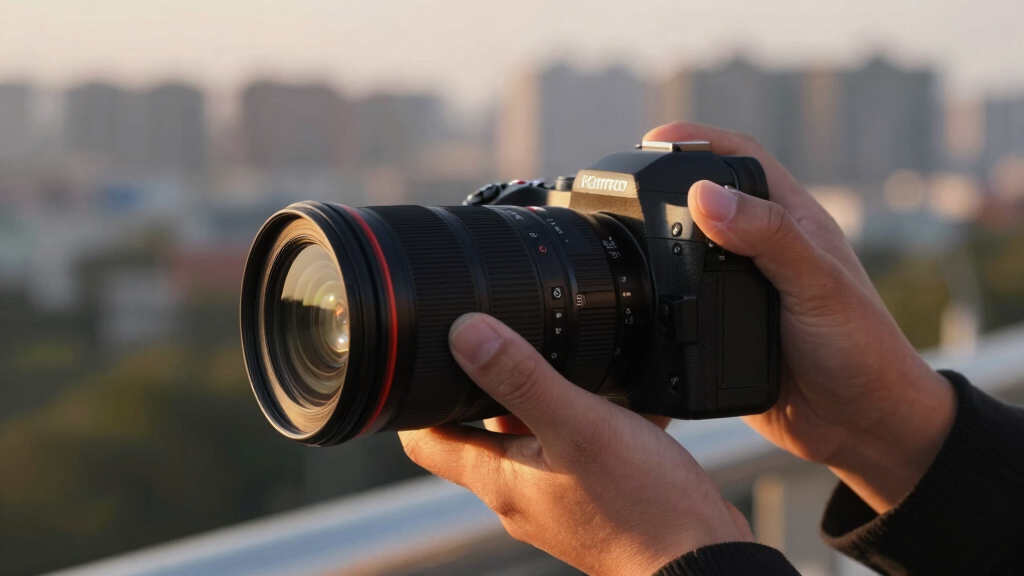

Choosing the best full frame mirrorless camera for video can be challenging with so many options offering different features and tradeoffs. The Sony Alpha 7 IV stands out as the overall top pick thanks to its versatile 4K capabilities and user-friendly interface. The Nikon Z 6II is a great all-rounder for hybrid shooters, combining strong stills and video features. Meanwhile, the Canon EOS R8 excels in lightweight design and impressive autofocus for content creators on the move. Each of these models balances image quality, usability, and video performance differently, making it essential to understand your priorities. Keep reading for a detailed breakdown of these options and how they compare across key factors.

Get the latest gadgets delivered free with Prime
- Fast, free delivery on millions of items
- Prime Video, Amazon Music and more included
- Member-only deals all year
Key Takeaways
- The Sony Alpha 7 IV offers a balanced mix of advanced video features and user-friendly controls, making it the best all-around choice.
- Nikon’s Z series, especially the Z 6II, provides excellent hybrid performance, ideal for those who shoot both stills and videos.
- Canon’s EOS R8 delivers impressive autofocus performance and a lightweight build, perfect for vloggers and mobile creators.
- Price often correlates with features; higher-end models like the Sony A7 IV include advanced video options but come at a premium.
- Choosing between these options depends heavily on your specific needs—whether it’s professional-grade video, portability, or hybrid use.


More Details on Our Top Picks
Nikon Z 6II | Versatile full-frame mirrorless stills/video hybrid camera
The Nikon Z 6II stands out for its blend of speed, excellent low-light performance, and robust video capabilities, making it a top choice for hybrid shooters. Compared to the Sony ILCE-7M3K/B a7 III, it offers superior buffer capacity and a more comfortable, intuitive design, though Sony’s slightly higher resolution and better autofocus coverage appeal to dedicated photographers. The Z 6II’s 24.5MP sensor and 4K UHD 60p video deliver professional-quality results, especially in challenging lighting conditions. Its dual card slots and rugged build provide reliability for professional shoots, but the camera’s weight and complexity may be overwhelming for complete beginners. Overall, this is ideal for videographers and still shooters who need versatility without sacrificing video performance, but less suited for those seeking a lightweight, simple camera.
Pros: Excellent low-light capability, fast 14 fps shooting, dual card slots, comfortable handling.
Cons: Slightly bulky for travel, complex menu system for new users, higher price point.
Verdict: Perfect for hybrid shooters who demand speed, quality, and durability in a versatile package.- Sensor Type:CMOS
- Effective Still Resolution:24.5 MP
- Video Resolution:4K UHD 2160p
- Max Shutter Speed:1/8000 Seconds
- Continuous Shooting:14 FPS
- Viewfinder:Electronic
- Weight:1.36 Pounds
- Memory Slots:CFexpress/XQD, UHS-II SD
Sony ILCE-7M3K/B a7 III 24.2MP Full Frame Mirrorless Camera w 28-70mm Lens
The Sony a7 III offers impressive autofocus with 693 phase-detection points and a 24.2MP sensor, making it a favorite among videographers who prioritize fast, reliable focus transitions. Compared to the Nikon Z 6II, it provides a broader autofocus coverage and slightly higher ISO range, which benefits shooting in diverse lighting. Its 10 fps burst rate and 4K UHD video ensure smooth capture of fast-moving scenes, but the Z 6II’s superior buffer and dual card slots provide more security for serious professional work. The a7 III’s compact design and excellent image quality make it adaptable for travel and run-and-gun vlogging, although its video features lack some of the advanced options found in flagship models like the Canon EOS R8. This camera suits content creators who need fast focus and good low-light performance but can settle for simpler video controls.
Pros: Excellent autofocus, good image quality, compact and lightweight, versatile lens ecosystem.
Cons: Limited advanced video features, no in-body stabilization, autofocus can be sensitive in certain conditions.
Verdict: A strong all-around choice for videographers who want fast focus and reliable performance in a portable body.- Sensor Type:BSI CMOS
- Effective Still Resolution:24.2 MP
- Video Resolution:4K UHD 2160p
- Max Shutter Speed:1/4000 Seconds
- Continuous Shooting:10 FPS
- Viewfinder:Electronic
- Weight:1.83 Pounds
- Memory Slots:SD UHS-II
Canon EOS RP Full-Frame Mirrorless Interchangeable Lens Camera + RF24-105mm Lens
The Canon EOS RP excels as a lightweight, travel-friendly full-frame camera with a 26.2MP sensor and 4K video, making it ideal for vloggers and content creators on the go. Compared to the Nikon Z 5 II, the EOS RP’s smaller size and adjustable vari-angle touchscreen make it easier to shoot from creative angles, though the Z 5 II offers better low-light autofocus and more extensive video features. The RF 24-105mm lens complements the camera’s versatility, producing sharp images and smooth stabilization. However, the EOS RP’s autofocus, while good, doesn’t match the speed and tracking of Sony’s or Nikon’s higher-end models. This camera is best suited for beginner to intermediate videographers who prioritize portability and ease of use, but it may fall short for professionals needing advanced video controls and stabilization.
Pros: Compact and lightweight, excellent image quality, fully articulating screen, versatile RF lens.
Cons: Limited 4K crop, autofocus not as advanced, no in-body stabilization.
Verdict: An excellent choice for vloggers and travelers seeking a full-frame experience without bulk.- Sensor Type:CMOS
- Effective Still Resolution:26.2 MP
- Video Resolution:4K UHD 2160p
- Max Shutter Speed:1/4000 Seconds
- Viewfinder:Electronic
- Display Screen Size:3.0 Inches
- Weight:0.99 Pounds
- Lens Mount:RF
Nikon Z5 II | Full-Frame mirrorless Stills/Video Camera
The Nikon Z 5 II offers a compelling mix of high-resolution imaging, strong autofocus, and excellent video features, making it suitable for serious hobbyists and semi-professionals. Compared to the Canon EOS RP, the Z 5 II’s 24.5MP sensor and 6K/60p RAW recording capabilities deliver higher quality footage, especially in low-light conditions thanks to its excellent autofocus down to -10EV. Its dual SD UHS-II slots and 7.5 stops of in-body stabilization support professional workflows, but it’s slightly heavier and bulkier, which could be a concern for travel. The Z 5 II’s user interface is more complex than the EOS RP, which may challenge beginners. It’s best for creators who want a hybrid camera capable of handling both high-quality video and stills, but less ideal for those who need a lightweight vlogging tool.
Pros: Excellent video quality with 6K/60p RAW, strong autofocus, in-body stabilization, high-resolution sensor.
Cons: Slightly heavy and bulky, complex menu system, higher cost for advanced features.
Verdict: Designed for creators who want a versatile, high-performance hybrid capable of professional-grade video and stills.- Sensor Type:CMOS
- Effective Still Resolution:24.5 MP
- Video Resolution:6K RAW 60p
- Max Shutter Speed:1/8000 Seconds
- In-Body Stabilization:7.5 stops
- Autofocus:Eyes, subject detection
- Weight:1.42 Pounds
- Memory Slots:Dual SD UHS-II
Canon EOS RP Full Frame Mirrorless Vlogging Portable Digital Camera
The Canon EOS RP is a remarkably lightweight and affordable full-frame option, perfect for vloggers and casual videographers. Its 26.2MP sensor and DIGIC 8 processor produce vibrant images and decent 4K video, making it accessible for those starting with full-frame. Compared to the Nikon Z 5 II, the EOS RP’s compact size and fully articulating touchscreen facilitate easy framing and dynamic shots, although it lacks some advanced video features like in-body stabilization and high-frame-rate 4K. Its autofocus system is reliable but not as fast or precise as higher-end models, which can be a drawback for fast-moving content. This camera is best for beginners and hobbyists focusing on vlogging, travel, or casual video, but less suited for professional or high-motion shooting.
Pros: Extremely portable, user-friendly, good image quality, budget-friendly.
Cons: Limited 4K crop and stabilization, slower autofocus, basic video controls.
Verdict: An excellent entry-level full-frame camera for new content creators who value portability and ease of use.- Sensor Type:CMOS
- Effective Still Resolution:26.2 MP
- Video Resolution:4K UHD 2160p
- Max Shutter Speed:1/4000 Seconds
- Weight:0.01 Pounds
- Viewfinder:Electronic
- Display Screen Size:3.0 Inches
- Autofocus:Dual Pixel CMOS AF
Sony Alpha 7 IV Full-Frame Mirrorless Interchangeable Lens Camera with 2026 28-70mm Zoom Lens Kit
This model stands out for its combination of high-resolution 33MP full-frame sensor and advanced video features, making it the most versatile option on this list. Compared to the Sony A7 III, the Alpha 7 IV offers a significant upgrade in resolution and autofocus capabilities, especially with its real-time Eye-AF for humans and animals, which benefits both stills and video. Its ability to shoot 4K at 60p with 10-bit 4:2:2 color depth ensures cinematic quality, but this comes with increased complexity and a higher price point. The camera’s next-generation BIONZ XR engine ensures fast processing, yet the increased data load may demand higher-end storage solutions. Its articulating LCD and HDMI output provide flexible shooting angles, perfect for video creators, though the 2-pound weight might be less comfortable for extended handheld use. Overall, this camera is best suited for serious videographers who need professional-grade features, but it may overwhelm beginners or casual shooters due to its complexity and cost.
Pros:- Exceptional 33MP resolution for both stills and 4K video
- Real-time Eye-AF for humans, animals, and birds enhances focus accuracy
- 4K 60p recording with 10-bit 4:2:2 color depth for cinematic quality
- Fast BIONZ XR processing engine reduces lag and improves usability
Cons:- Higher price point may be prohibitive for casual users
- Heavier at 2 pounds, which can be tiring during extended handheld shooting
- Complex menu system can be intimidating for beginners
Best for: Professional videographers and hybrid shooters who demand high resolution and advanced video features in a compact package.
Not ideal for: Beginner videographers or those on a tight budget, as it requires a steep learning curve and significant investment.
- Sensor Resolution:33 MP
- Video Resolution:4K 60p, 10-bit 4:2:2
- Autofocus:Real-time Eye-AF for humans, animals, birds
- Weight:2 pounds
- Display:3-inch articulating LCD
- Connectivity:Wi-Fi, Bluetooth, HDMI
- ISO Range:50-204800
- File Format:RAW, XAVC HS/H.265
Bottom line: This camera is ideal for professionals who need top-tier video quality and autofocus, but less suitable for entry-level users or casual content creators.
Sony Alpha 7 III Full Frame Mirrorless Camera Kit with 28-70mm Lens | 24.2MP Digital Camera for Professional Photography and 4K Video (ILCE7M3K/B) with Bag, 64GB Card, Memory Card Reader and More
This pick makes the most sense for creators balancing high-quality stills and video, thanks to its 24.2MP full-frame sensor and reliable autofocus. Compared with the Sony Alpha 7 IV, the A7 III offers excellent performance at a more accessible price, particularly with its 693 phase-detection points and in-body stabilization that help produce sharp footage even in less-than-ideal conditions. It supports 4K recording with oversampling, resulting in crisp, detailed videos, but lacks the 10-bit depth and higher frame rate options of the newer model. Its lightweight design and extended battery life make it a practical choice for long shoots, yet the slightly lower resolution and fewer advanced autofocus features mean it might fall short for those seeking the latest tech. Overall, this camera suits serious enthusiasts who want professional results without the steep price tag, though it’s less future-proof for high-end cinematic work.
Pros:- Excellent 24.2MP full-frame sensor with oversampled 4K video
- Reliable autofocus with 693 phase-detection points
- In-body 5-axis stabilization for steady handheld footage
- Lightweight and long-lasting with extended battery life
Cons:- Older autofocus system compared to newer models
- No 10-bit 4:2:2 recording, limiting color grading flexibility
- Fewer advanced video-specific features like S-Cinetone
Best for: Enthusiast videographers and photographers who need a versatile, reliable camera with excellent image quality at a more affordable price.
Not ideal for: High-end filmmakers or professionals requiring the latest video features and maximum resolution, as it lacks some of the newer model’s advanced capabilities.
- Sensor Resolution:24.2 MP
- Video Resolution:4K 30p
- Autofocus:693 phase-detection points
- Weight:1.4 pounds
- In-Body Stabilization:Yes
- Connectivity:Wi-Fi, Bluetooth
- ISO Range:100-51200
- File Format:XAVC S, AVCHD
Bottom line: This camera strikes a great balance of quality and affordability for serious hybrid shooters, but may lag behind in cinematic features for professional filmmakers.
Nikon Z6 III | Full-Frame mirrorless Stills/Video Camera with 6K/60p Internal RAW Recording
This camera makes a compelling case for high-end video with its 6K/60p RAW recording and oversampled 4K UHD, surpassing the capabilities of the Canon EOS R8 for more cinematic workflows. Compared to the Canon EOS R8, the Z6 III offers a higher maximum resolution for video capture and a broader ISO range, which is advantageous in challenging lighting conditions. Its 5760k-dot EVF with 120 fps refresh rate ensures clear, smooth framing even in bright sunlight, ideal for serious videographers. The multi-subject recognition with Deep Learning autofocus enhances focus accuracy in complex scenes, but the heavier build and slightly more complex menu system could be less portable for run-and-gun shooting. The robust build and professional tools make it well-suited for filmmakers needing detailed 6K footage, though beginners may find the interface less intuitive. Overall, this is a high-performing tool for professionals who prioritize resolution and flexibility in post-production.
Pros:- 6K/60p internal RAW recording for cinematic quality
- Oversampled 4K UHD with high frame rates for slow-motion and HDR workflows
- Excellent EVF with 120 fps refresh rate and high brightness
- Deep Learning autofocus with multi-subject detection
Cons:- Heavier and less portable for handheld or run-and-gun shooting
- More complex menu system and feature set may overwhelm beginners
- Higher price point for advanced features
Best for: Experienced videographers and filmmakers who require high-resolution 6K footage and advanced autofocus in a durable, professional-grade body.
Not ideal for: Casual or beginner content creators seeking lightweight, simple cameras, as the system demands a steep learning curve and is on the heavier side.
- Video Resolution:6K 60p RAW
- Sensor Resolution:24.5 MP
- Autofocus:Deep Learning multi-subject
- Viewfinder:5760k-dot EVF, 120 fps
- ISO Range:100-64000
- Weight:1.8 pounds
- Connectivity:Wi-Fi, Bluetooth
- File Format:C-RAW, HEIF, JPEG
Bottom line: Ideal for professionals needing high-resolution, high-frame-rate footage with flexible post-production options, but less suited for casual or lightweight use.
Canon EOS R8 Mirrorless Camera Body, Full‑Frame CMOS Sensor, 24.2 Megapixels, 4K 60p Video, Dual Pixel Autofocus II, Lightweight Camera for Content Creation, Photography and Vlogging, Black
This camera makes a strong case for portability without sacrificing key video features, with a 24.2MP full-frame sensor and 4K 60p recording. Compared to the Nikon Z6 III, the EOS R8 offers a lighter and more compact design, ideal for travel and vlogging, while still supporting high-quality 4K footage with oversampling from 6K. Its Dual Pixel AF II provides rapid, accurate subject tracking for people, animals, and even aircraft, making it versatile for dynamic shoots. The vari-angle LCD touchscreen and OLED EVF enhance framing flexibility, perfect for solo creators. However, it lacks the raw 6K recording and extensive color grading options found in higher-end models like the Nikon Z6 III, limiting cinematic depth. Its modest weight and simple interface make it accessible for beginners, though professionals seeking cinematic excellence may find it less capable. This camera is best for content creators who prioritize mobility and ease of use over advanced cinematic features.
Pros:- Compact and lightweight design ideal for vlogging and travel
- Supports 4K 60p recording with oversampling for sharp footage
- Dual Pixel AF II with excellent subject tracking
- Vari-angle touchscreen for flexible framing
Cons:- Limited to 24.2MP resolution, less detail for large prints or cropping
- No internal RAW 6K recording, limiting post-production flexibility
- Less advanced cinematic features compared to higher-end models
Best for: Vloggers, travel content creators, and casual videographers who need a lightweight, easy-to-use full-frame camera with solid 4K capabilities.
Not ideal for: High-end filmmakers or professionals requiring raw 6K footage and advanced color grading, as it focuses more on portability than cinematic depth.
- Sensor Resolution:24.2 MP
- Video Resolution:4K 60p
- Autofocus:Dual Pixel CMOS AF II
- Display:3-inch vari-angle LCD
- Weight:0.45 kg
- Connectivity:Wi-Fi, Bluetooth
- ISO Range:100-102400
- File Format:C-RAW, JPEG, HEIF
Bottom line: This camera excels for on-the-move creators who want reliable 4K video in a lightweight body, but it’s less suited for cinematic projects demanding maximum resolution and grading options.
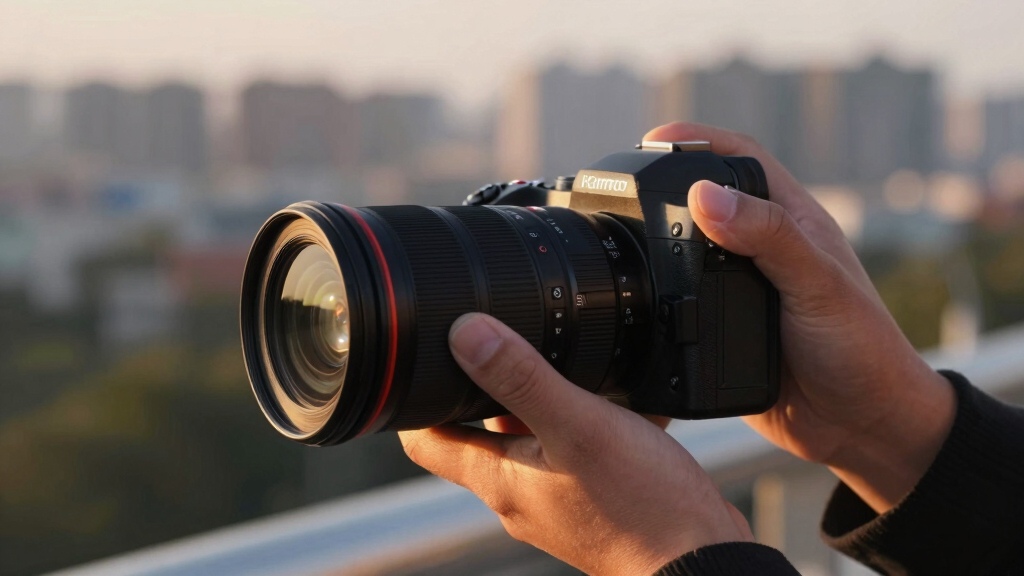
How We Picked
This lineup was selected based on a combination of video-specific features, overall image quality, usability, and value for money. Priority was given to cameras with strong 4K recording capabilities, reliable autofocus, and good ergonomics for video shooting. We also considered build quality, battery life, and future-proof features such as HDMI output and in-body stabilization. The models are ranked to reflect their suitability for different types of users—from professional videographers to hobbyists—ensuring a practical guide for varied needs. Each camera was assessed for its ability to deliver high-quality video while maintaining ease of use and durability.Factors to Consider When Choosing Best Full Frame Mirrorless Cameras For Video
When selecting a full frame mirrorless camera for video, understanding key factors beyond specs can prevent costly mistakes. It’s important to consider how features like autofocus, stabilization, and recording options align with your shooting style. A well-rounded camera should balance image quality with ease of operation, especially if you plan to shoot for extended periods or in dynamic environments. Budgeting for future upgrades and accessories can also influence your choice, ensuring your investment remains relevant as your skills grow.Video Capabilities and Resolution
Look for cameras that offer at least 4K recording, preferably with options for higher frame rates like 60p or 120p for slow-motion footage. Consider whether the camera can record clean HDMI output for external recorders, which is crucial for professional workflows. Some models also support RAW or LOG profiles, providing greater flexibility in color grading. These features directly impact the quality and versatility of your footage, especially in professional or cinematic projects.
Autofocus and Stabilization
Effective autofocus, especially with face and eye tracking, is vital for smooth, focused video. In-body stabilization (IBIS) can dramatically improve handheld footage, reducing shakiness without external gimbals. If you often shoot on the move, prioritizing these features can save time and improve production quality. Be aware that some cameras may have excellent autofocus but lack stabilization, so choose based on your shooting style.
Ergonomics and Handling
A comfortable grip and intuitive controls help maintain focus during long shoots. Consider the size and weight of the camera—lighter models are easier to carry for vlogging or travel, but may lack some advanced controls. A fully articulating touchscreen can make framing shots easier and facilitate self-recording. Balancing usability with durability ensures your camera remains reliable under different shooting conditions.
Battery Life and Connectivity
Video recording drains batteries quickly, so look for models with longer battery life or the ability to hot-swap batteries. Built-in Wi-Fi and Bluetooth facilitate quick file transfer and remote control, streamlining your workflow. HDMI output and microphone/headphone jacks are also important for professional audio and monitoring, especially during complex shoots. Investing in extra batteries and accessories can extend your shooting sessions significantly.
Price and Future-Proofing
Higher-priced models often include advanced features like 6K/8K recording, better autofocus, and more robust build quality. However, they may exceed your current needs, so consider whether the expense aligns with your intended use. Entry-level or mid-range cameras can serve well if your focus is on learning or casual content creation, but might lack some professional features. Evaluating the long-term value and upgrade potential can help you make a smarter investment.
Frequently Asked Questions
Is 4K recording enough for professional video projects?
For most professional work, 4K provides a high level of detail and flexibility in post-production. Many high-end cameras also support higher frame rates and RAW or LOG profiles, which are important for cinematic grading and effects. While 6K or higher resolutions are available on some models, 4K remains the standard for broadcast, online content, and even many film productions due to its balance of quality and file size. Choosing a camera with 4K capabilities ensures compatibility with current workflows without overinvesting in higher resolutions that may not be necessary for your projects.
Do I need in-body stabilization for handheld video shooting?
In-body stabilization (IBIS) can significantly improve handheld footage by reducing shake and jitter, especially in dynamic or low-light environments. If you frequently shoot without a tripod or gimbal, cameras with effective IBIS are highly recommended. However, stabilization alone isn’t a substitute for proper technique, and combining IBIS with external stabilization tools can yield the best results. For static shots or studio work, stabilization features are less critical but still beneficial for versatility and ease of use.
How important is autofocus in choosing a video camera?
Autofocus, particularly with face and eye tracking, is essential for keeping subjects sharp during movement or when shooting solo. Modern autofocus systems are highly reliable and can save time during shoots, especially in unpredictable environments. Cameras with advanced autofocus also prevent focus hunting and ensure consistent results. For run-and-gun shooting or vlogging, autofocus performance can be the difference between professional-looking footage and distracting focus shifts.
Should I prioritize lower weight or rugged build quality?
This depends on your shooting environment. If you often shoot on the go or travel light, a compact, lightweight camera like the Canon EOS R8 makes handling easier. Conversely, if your shoots involve challenging weather or rugged conditions, a more robust, weather-sealed model like the Nikon Z 6II might be better suited. Balancing portability with durability ensures your equipment can handle your specific use cases without compromise.
Is investing in a higher-end model worth it for hobbyist videographers?
Higher-end models often include features like better autofocus, stabilization, and higher resolution recording that can elevate your video quality. However, they also come with a higher price tag, which might not be justified if you’re just starting out or creating casual content. For hobbyists, mid-range cameras can provide excellent results at a more accessible price point, allowing room to grow without overcommitting financially. Consider your long-term goals and whether the advanced features will be utilized in your current projects.
Conclusion
For those seeking a versatile, all-around performer, the Sony Alpha 7 IV remains the best overall choice, blending professional features with ease of use. Budget-conscious creators and beginners will find the Canon EOS R8 an excellent entry point thanks to its compact design and solid video specs. Professionals aiming for maximum quality and future-proofing might prefer the Nikon Z 6II or the more advanced Nikon Z6 III for their superior stabilization and recording options. Content creators on the move or vloggers should consider the lightweight Canon EOS R8 or similar models, which combine portability with performance. Ultimately, your choice should reflect your specific filming style, budget, and long-term goals. As an affiliate, we earn on qualifying purchases.Halloween Picks

12.2 ft Halloween Inflatable Outdoor Decoration – Giant Pumpkin

DomKom 6 ft Halloween Inflatable Ghosts Roasting Marshmallows

HOPOCO Halloween Pumpkin Fog Machine with 12 LED Colors & Remote Control